
Last updated November 22, 2026
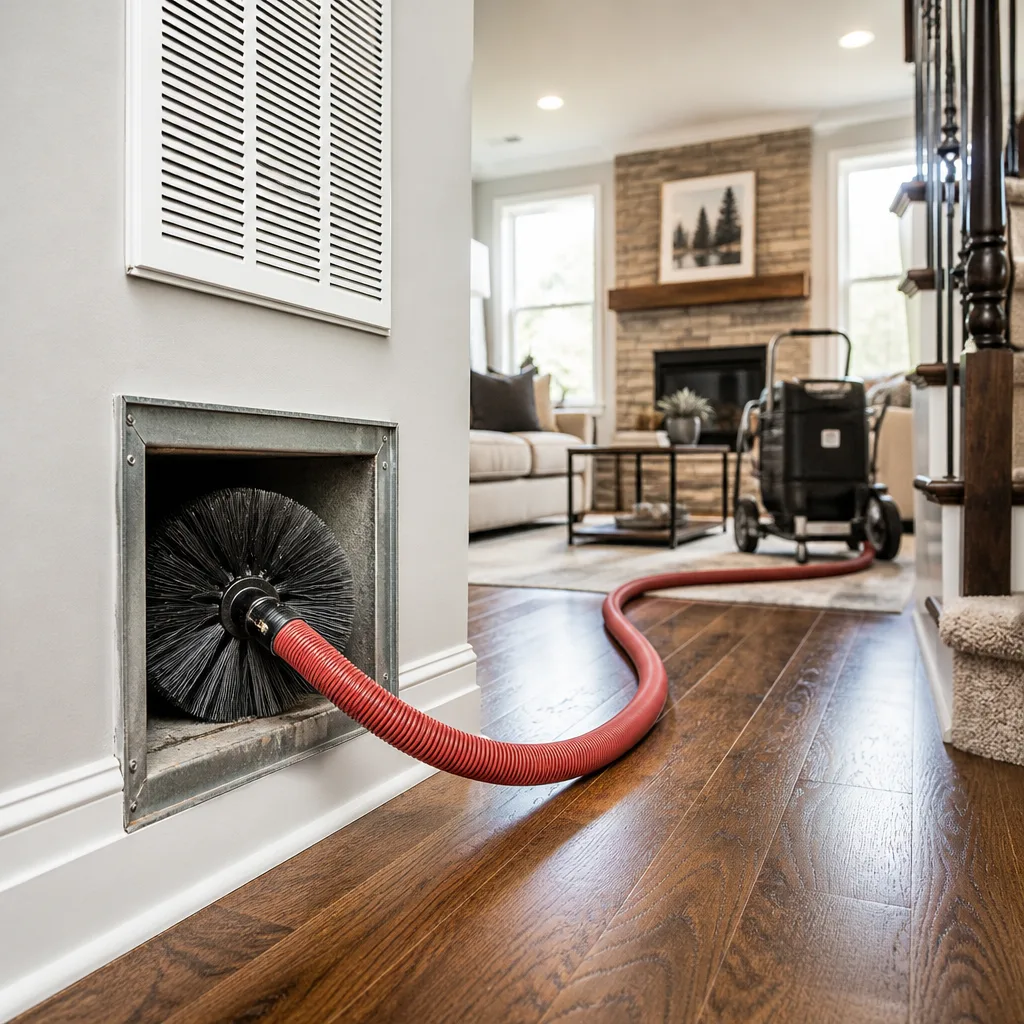 Whole-home duct cleaning
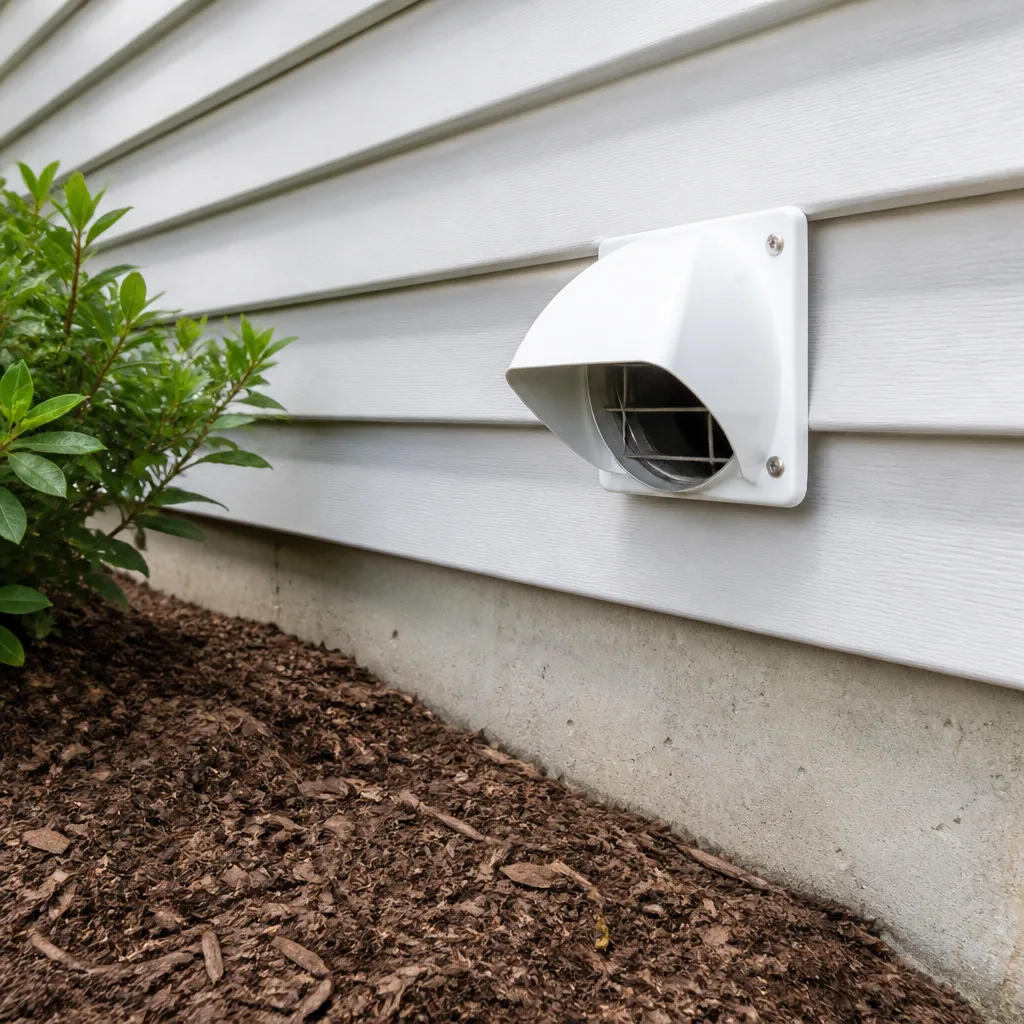 Dryer vent cleaning
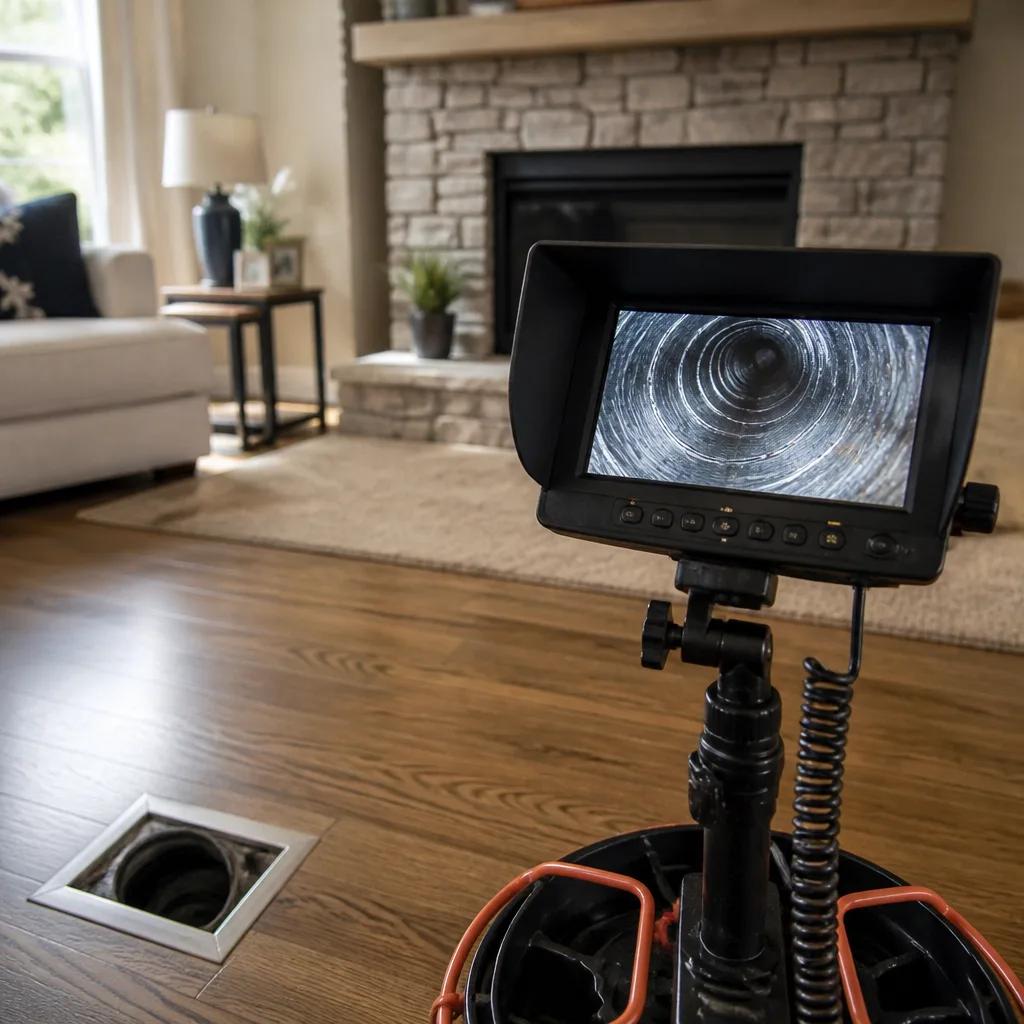 Camera inspection
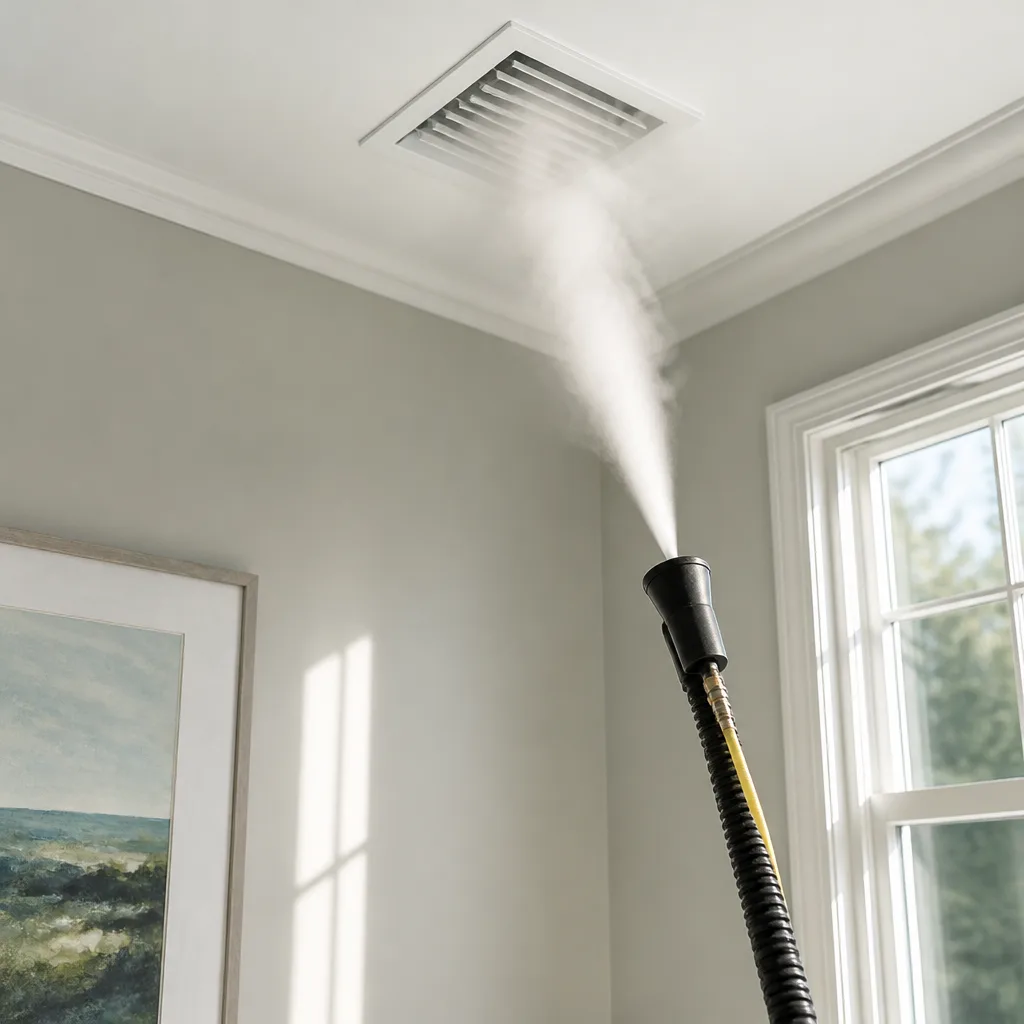 Sanitizing & deodorizing
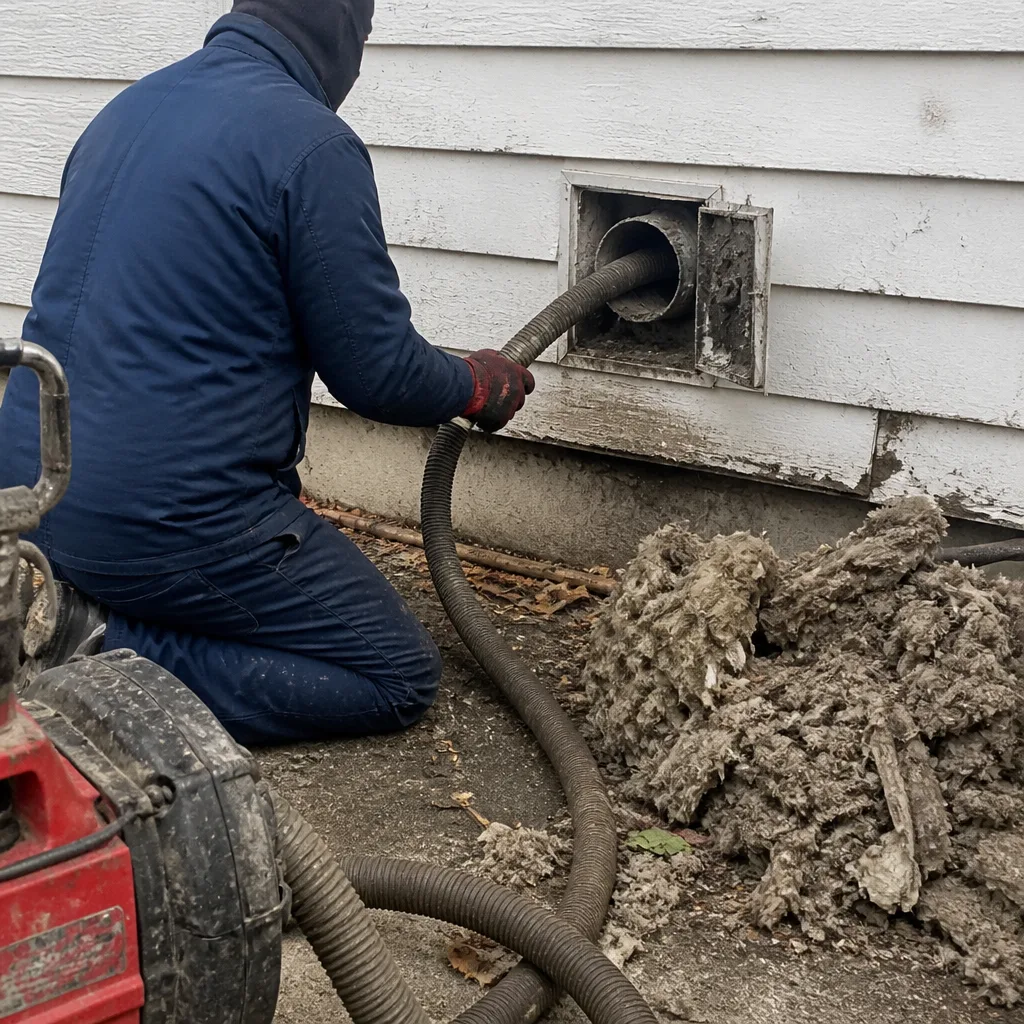
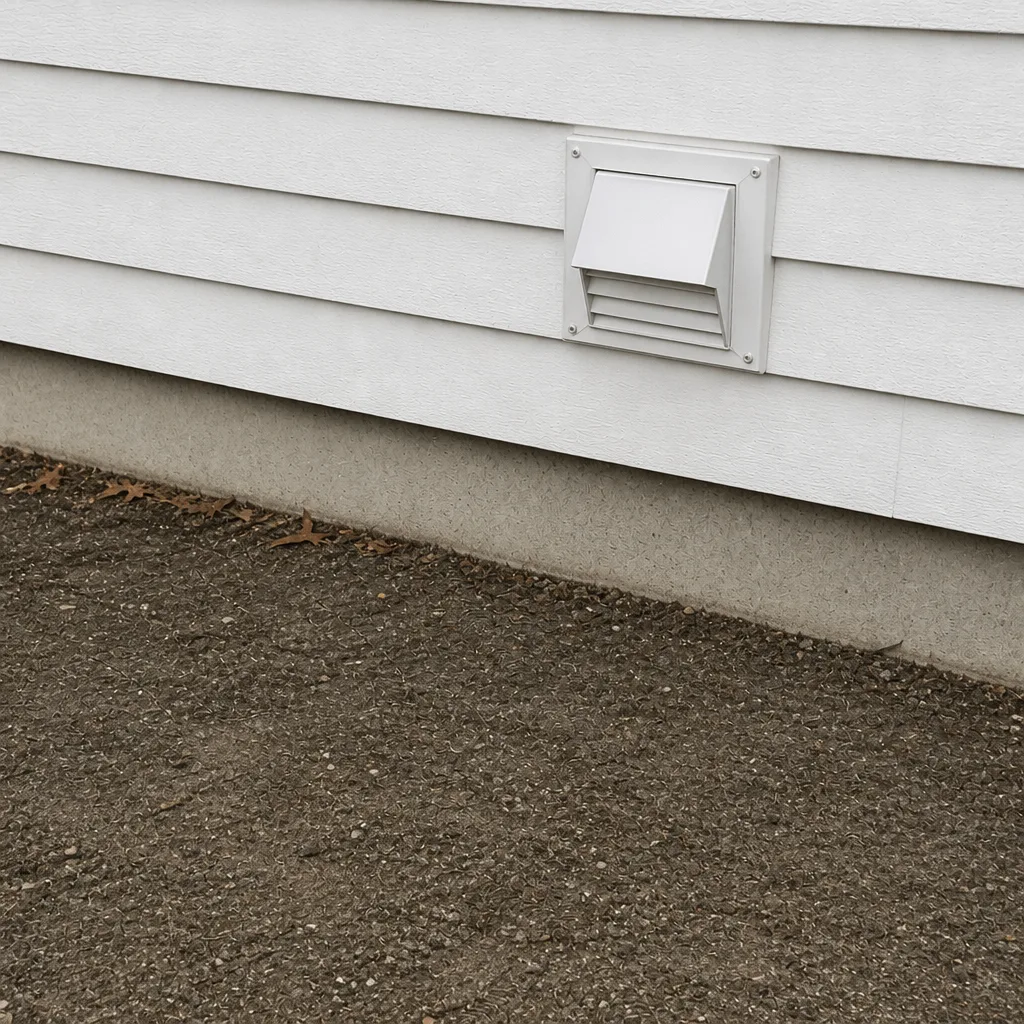
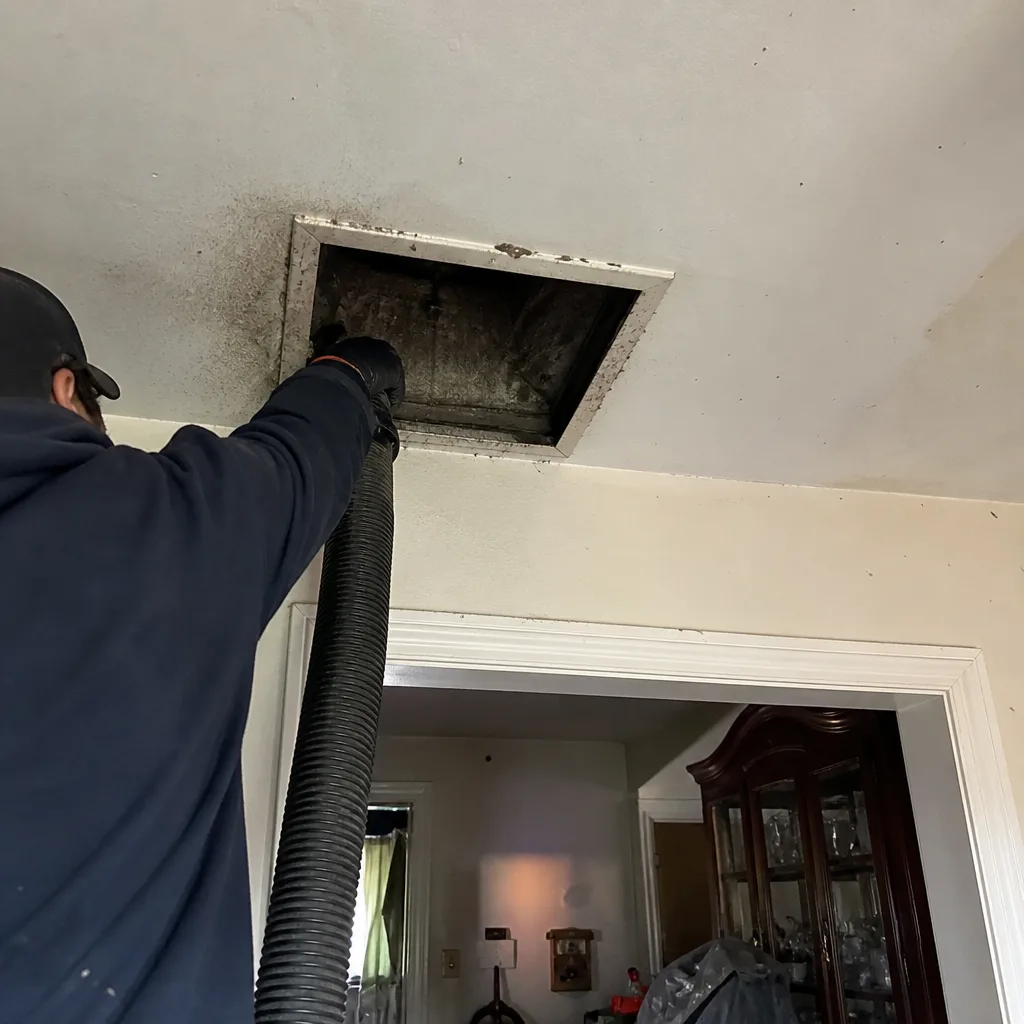
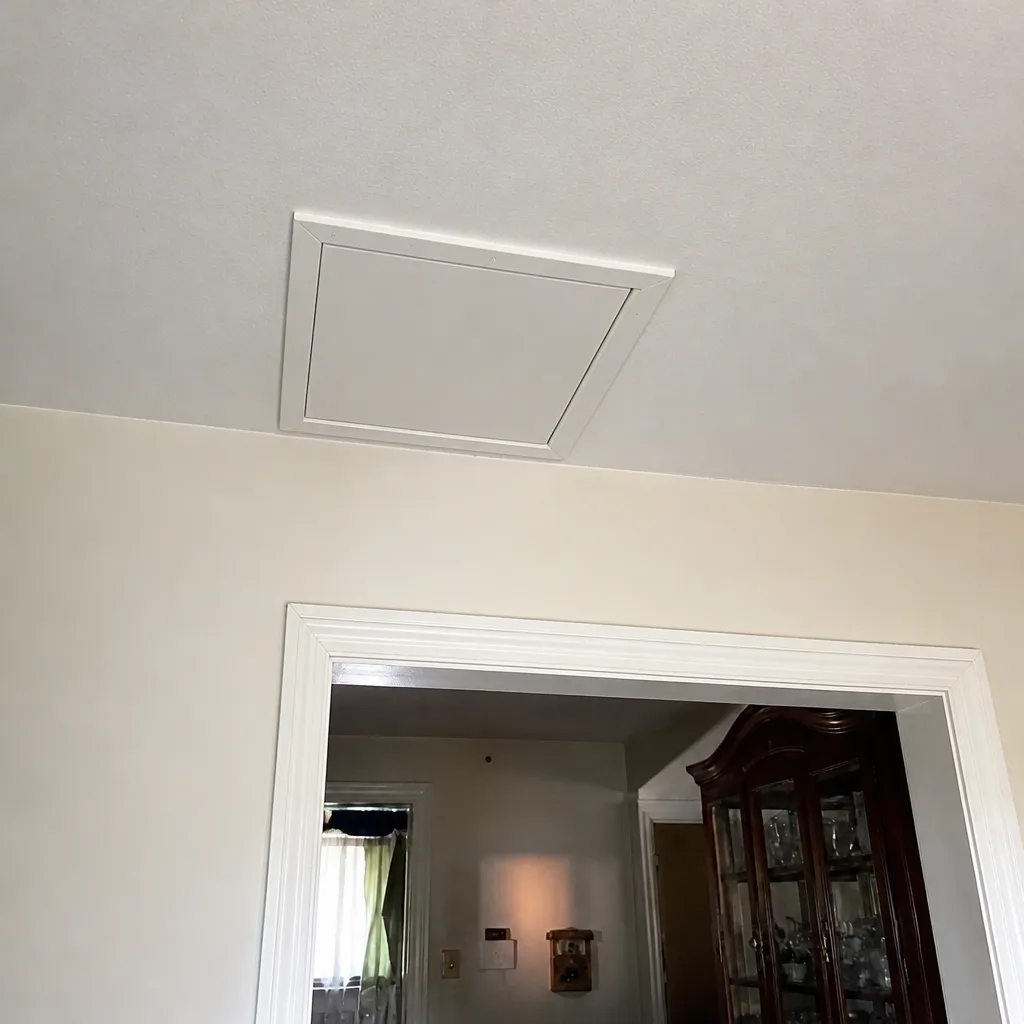
Whole-system duct and dryer vent check with before-and-after photos - you see exactly what came out of your vents
That "$99 whole-house special" is a bait ad - the real number appears once they are in your hallway, or the "clean" is a shop-vac at the register. We photograph the inside of your ducts before and after instead.
The Complete Guide to Air Duct Cleaning in Canarsie
Most “duct cleaning” in Canarsie only touches the grilles you can see. That’s the part that bugs us, because the grille is the least important surface in the whole system. The real wear is happening in the trunk lines, the branch runs, and the joints buried behind finished walls, where decades of debris settle and where air leaks pull in whatever the surrounding cavity holds. A home built before 1980 has had a long time to develop those problems. This guide walks through what a real air duct cleaning in Canarsie should involve, from the equipment that’s actually on site to the report you should be handed when it’s over. By the end you’ll know how to tell source-removal work from surface-only vacuuming, and why that distinction matters more than any coupon.
Quick Answer
A complete air duct cleaning in Canarsie is a source-removal process: negative air pressure holds the system under vacuum while rotating brushes agitate every supply and return run, then the dislodged debris is extracted rather than redistributed. In this housing stock, it should also include joint inspection and sealing, because pre-1980 rowhouses and semi-detached homes commonly develop separated seams that pull unconditioned air into the living space. A proper job ends with photographic documentation of the before and after condition of your own ducts.
Styles & brands we work with
- Whole-home duct cleaning
- Dryer vent cleaning
- Camera inspection
- Sanitizing & deodorizing
Table of Contents
- Why Canarsie Homes Need a Different Approach
- Source Removal vs. Surface Vacuuming
- What a Complete Job Looks Like, Step by Step
- Why Duct Sealing Belongs in Every Cleaning
- What NADCA ACR Standards Actually Require
- Dryer Vents and HVAC Cleaning: The Other Half of the Pathway
- Sanitizing and Air-Quality Treatment
- How to Read Your Post-Cleaning Report
Why Canarsie Homes Need a Different Approach
Canarsie sits close to Jamaica Bay, and that geography shapes what happens inside ductwork in ways that inland Brooklyn neighborhoods simply don’t experience. The humidity here runs higher and sits longer through the warm months. Duct systems move cooled air through spaces that are often poorly conditioned themselves: basement cavities, knee walls, ceiling chases. When warm, moist air meets a cold duct surface in summer, condensation forms on the outside of the metal. When that moisture finds its way into a joint with dust sitting in it, you get the conditions mold needs. That’s not a scare tactic. It’s basic psychrometrics, and it’s why we look at moisture staining during inspection here more than we would in, say, a dry inland suburb.
The housing stock does the rest. Much of Canarsie was built in the decades after World War II, and the duct systems in those homes reflect the construction practices of that era: galvanized sheet metal with taped or slip-fit joints, in many cases lined with interior insulation that has now spent decades behind drywall. Semi-detached homes share a wall with a neighbor, which changes how return air moves and where pressure imbalances develop. Rowhouses run long duct runs from a central mechanical location, and every fitting along the way is a potential leak point.
Add the multi-unit configurations common on some Canarsie blocks, where a single building may have two or three separate systems serving different floors, and it becomes clear that a one-size approach doesn’t work. What you have in Canarsie is a set of homes with long service lives, moist summers, and duct systems that have never had a professional inspection.
- Humidity from Jamaica Bay’s proximity creates condensation conditions that feed microbial growth in unprotected joints.
- Postwar galvanized duct with tape-and-slip joints commonly separates over decades.
- Interior duct liner, common in mid-century construction, traps debris and is often damaged by aggressive cleaning.
- Semi-detached and multi-unit layouts create return-air pressure imbalances between adjoining units.
- Long horizontal runs in rowhouses accumulate debris in low spots where airflow is slowest.
Source Removal vs. Surface Vacuuming
Here’s the distinction that separates a real job from a hit-and-run. Surface vacuuming means a technician puts a shop vac or a consumer-grade machine on each register and sucks up what’s reachable. It removes dust from the grille face and maybe an inch or two into the boot. The settled debris on the duct floor, the compacted material on the walls of the trunk line, and the contamination in the return chase all stay exactly where they were. A week later the system looks the same as it did before the visit.
Source removal works the other way. The technician places the entire system under continuous negative pressure, using a machine powerful enough to overcome the total duct leakage in the house. Simultaneously, a rotating brush and whip assembly is fed through every branch run, agitating material off the duct walls and pushing it toward the vacuum. The whole system stays under vacuum the entire time, which prevents the dislodged material from blowing back into the living space through registers or leaks.
The equipment matters here. Consumer vacuums and repurposed shop vacs are built for surface pickup, not for holding a whole-house duct system under negative pressure. Professional platforms like Rotobrush and Nikro are purpose-built for this job: the brush heads are sized to fit standard duct profiles, the whips articulate through turns, and the extraction units are rated for the air volume necessary to keep a house under control. When we describe our equipment as professional-grade, that’s the distinction we mean.
How to Tell the Difference
- Ask what machine is coming. If the answer is “a big vacuum,” ask for the make. Rotobrush or Nikro tells you the operator invests in purpose-built equipment.
- Watch for negative air setup. A proper job starts with a large extraction unit connected into the trunk or a main run, running continuously throughout the work.
- Look at the registers during the job. Under correct negative pressure, air should be moving into the system, not out of it.
- Examine the brush and whip tooling. Branch runs need articulation to reach blockages; a straight hose pushed into a register won’t do it.
- Ask to see before-and-after photos. If a contractor can’t produce them from your home, that’s a signal.
What a Complete Job Looks Like, Step by Step
A complete air duct cleaning in Canarsie runs through a defined sequence. Skipping any step in this sequence degrades the result, and the sequence itself is part of what distinguishes professional work from a quick sweep.
- System inspection and access planning. The technician maps every supply and return, identifies any damaged liner or compromised joints, and locates access points for the trunk and branch runs. Registers come off and get cleaned separately.
- HVAC equipment protection and isolation. The air handler, blower, and coils are isolated so debris can’t enter the equipment. Furnace and air-handler cabinets get vacuumed out as part of the process.
- Negative air setup. A high-volume extraction unit connects to the trunk line or a main return, and the system is brought up to negative pressure.
- Brushing and agitation. Rotobrush or Nikro tooling is worked through every branch and trunk run. Contact agitation lifts material from the duct floor and walls so the vacuum can extract it.
- Return side cleaning. Return chases and return boots get the same treatment. These are the runs that often carry the most contamination because air velocity is lower.
- Dryer vent cleaning. Separate service, but it belongs in the same visit because lint accumulation is a fire risk. A proper dryer vent cleaning pulls the full length of the line and clears the exterior termination.
- Joint inspection and sealing. Every joint, collar, and fitting is examined for separation. Sealing gets done on the spot.
- Sanitizing treatment. Applied as a fine mist throughout the now-clean system, using a Guardsman-grade protective treatment, and left to dry before the system is restored.
- Verification and documentation. Before-and-after photos of access points and trunk interiors get logged, along with the sealing record and the treatment application.
- System restart and confirmation. HVAC gets run, register airflow checked, and the report handed to the homeowner.
Our technicians have up to 8 years of experience, and in that time we’ve learned that the sequence matters less than the discipline of not skipping steps. A crew that does 80% of this is roughly the same as a crew that did none of it.
Why Duct Sealing Belongs in Every Cleaning
Cleaning without sealing is temporary. If the joints in the system leak, then as soon as the system is back in service, unfiltered air from the surrounding cavity pulls into the airstream. That means whatever dust, insulation fibers, or moisture is in the wall cavity enters your living space through the very ducts you just paid to have cleaned. In pre-1980 Canarsie homes, this is the norm rather than the exception.
The configurations we see most often in Canarsie and neighboring blocks fall into a few categories:
- Galvanized slip-fit joints. The male-female connection relies on a mechanical fit and often had a bead of mastic at install. Where that mastic has dried and cracked, air pours through.
- Foil tape failures. Adhesive tape was common through the 1970s and 1980s. Most of it has released or turned brittle, and where it’s still attached it can hide a real gap underneath.
- Collar separations at boots. The transition from the duct to the register boot is a high-stress point. A gap here means the duct is pulling air from inside the wall cavity directly into the room.
- Trunk and takeoff seams. Long runs in rowhouses have several of these, and they often sit behind finished surfaces where they can’t be seen without inspection.
Sealing is a mastic or mesh-and-mastic process, done by hand at every accessible joint. It closes the leaks, and it also helps the system hold its negative pressure during future cleaning, which means the next cleaning is more effective. Offering air duct cleaning and sealing as one visit means you don’t have to line up a second contractor after the inspection finds problems.
What NADCA ACR Standards Actually Require
The NADCA ACR standard is the reference point for how duct cleaning should be done. NADCA stands for the National Air Duct Cleaners Association, and the ACR standard is their documented process standard. It’s what a credible contractor should be working to, and it’s what budget operators tend to skip entirely, either by not knowing it or by choosing the cheaper route.
In practical terms, the standard calls for:
- Putting the entire system under continuous negative pressure during cleaning.
- Cleaning every component of the system that air passes through, not just the visible registers.
- Using tools that agitate and remove settled material, not just light vacuuming.
- Protecting HVAC equipment from debris and contamination during the process.
- Cleaning the air handler, blower, and coils where they’re accessible.
- Documenting the work with before-and-after photographs.
- Restoring any access holes or openings created for the work.
- Confirming the system is clean, sealed, and functioning before handing it back.
What budget operators typically skip: negative pressure (they use a shop vac at the register), full-system coverage (they clean what they can reach), equipment protection (they don’t isolate the air handler), and documentation (they leave no record). These omissions are the difference between a $150 visit and a $500 job, and the reason the cheaper one often needs to be repeated within a year.
It’s also why we use the platforms we do. HVAC cleaning work is safer and more effective with purpose-built equipment, and the same extends to the duct side. Abatement Technologies air-quality equipment handles the sanitizing end at a standard that matches commercial contractors, and our technicians are familiar with Honeywell and Aprilaire system configurations, which matters in Canarsie homes where premium filtration systems were installed by a previous owner and shouldn’t be compromised by a cleaning approach that ignores the equipment’s requirements.
Dryer Vents and HVAC Cleaning: The Other Half of the Pathway
Most duct-only operators stop at the ductwork. But the air pathway in a home runs through HVAC equipment and out through the dryer vent, and each of those segments has its own contamination issue.
dryer vent cleaning is the fire-risk side of the work, and it’s the piece many operators skip. Lint accumulates along the full length of the vent line, and when the buildup blocks the line the dryer runs hotter than it should. A dryer vent line in a Canarsie home runs from the laundry to the exterior, and in a rowhouse that can be twenty feet or more with turns. Proper cleaning pulls the full length of the line and clears the exterior termination as well, which means checking the flap and clearing the exhaust hood.
On the HVAC side, cleaning the blower wheel, the evaporator coil, and the heat exchanger surfaces is part of the reason HVAC equipment runs efficiently. A dirty evaporator coil loses cooling capacity, and a fouled blower wheel moves less air. Our familiarity with Honeywell and Aprilaire configurations means we service the filtration and control equipment associated with premium systems without disturbing calibration or voiding compatibility.
Having all of this under one provider is a practical benefit more than a marketing one. When the HVAC cleaning turns up a coil problem or the dryer vent cleaning reveals a crushed flex run, the same visit can flag it and schedule the follow-up without a separate company involved.
Sanitizing and Air-Quality Treatment
Sanitizing is not a substitute for cleaning. It’s what happens after cleaning, and only if the mechanical cleaning was done properly. Applying a treatment to a duct system that still has settled debris accomplishes very little, because the contamination source is still there and the treatment only touches surfaces.
A proper sanitizing step in a Canarsie home involves a fine-mist application of a Guardsman-grade protective treatment throughout the cleaned system. The treatment covers the internal surfaces, including the coil and the plenum, and is left to dry fully before the system is restored. Abatement Technologies equipment is used for this stage, which is the commercial-grade side of the process: the delivery is controlled and measured, not a spray from a garden pump.
Homes in Canarsie with a history of moisture intrusion or visible staining benefit most from this step. The combination of sealing and treatment addresses both the source of contamination and the entry point for future contamination. That’s the sequence: clean, seal, sanitize. Any provider who sells sanitizing as an add-on to light vacuuming has the sequence backward.
How to Read Your Post-Cleaning Report
The report is the difference between proof and promise. A credible contractor leaves behind documentation of the work that’s specific to your home. Here’s what to expect and what to check:
- Before-and-after photographs of the interior of your ducts. Not stock photos, not photos from another job. Your trunk, your branch runs, your return chase.
- A written record of access points created and restored. Every cut made for tooling access should be listed and confirmed as sealed.
- A joint inspection log. Which joints were inspected, which were found leaking, and which were sealed.
- HVAC component records. What was cleaned (blower, coil, cabinet) and its condition.
- Dryer vent confirmation. Length of vent line cleaned, exterior termination cleared, and any obstruction found.
- Sanitizing record. Product applied, area treated, dry time confirmed.
- A note on remaining concerns. Anything the technician found but didn’t address (crushed flex, damaged liner, coil wear) should be flagged for follow-up.
If a contractor can’t produce this kind of documentation, you don’t know what happened inside your ductwork. That’s the honest truth of it.
Common Mistakes to Avoid
- Buying on the lowest bid. The crew that quotes far below the market is usually skipping negative pressure, equipment protection, sealing, or documentation. Sometimes all four. You end up paying again within a year.
- Skipping the return side. Return ducts carry the most contamination in most homes. A job that only addresses supply registers misses the primary source.
- Ignoring dryer vents. A duct cleaning visit that doesn’t touch the dryer vent leaves a fire-risk item unaddressed. Ask specifically whether it’s included.
- Sanitizing before cleaning. A treatment applied to a dirty system is wasted money. The sequence is clean, inspect, seal, sanitize.
- Not inspecting joints in pre-1980 Canarsie homes. Sealing is not optional in this housing stock. Skipping it means the system pulls cavity air back into the living space.
- Agreeing to sealing without documentation. The seal needs to be recorded joint by joint, or you have no record of where it was applied.
- Accepting photos that don’t match your system. If the report photos look nothing like the ducts in your home, they aren’t from your job.
See the difference
 Before
 After
 Before
 After
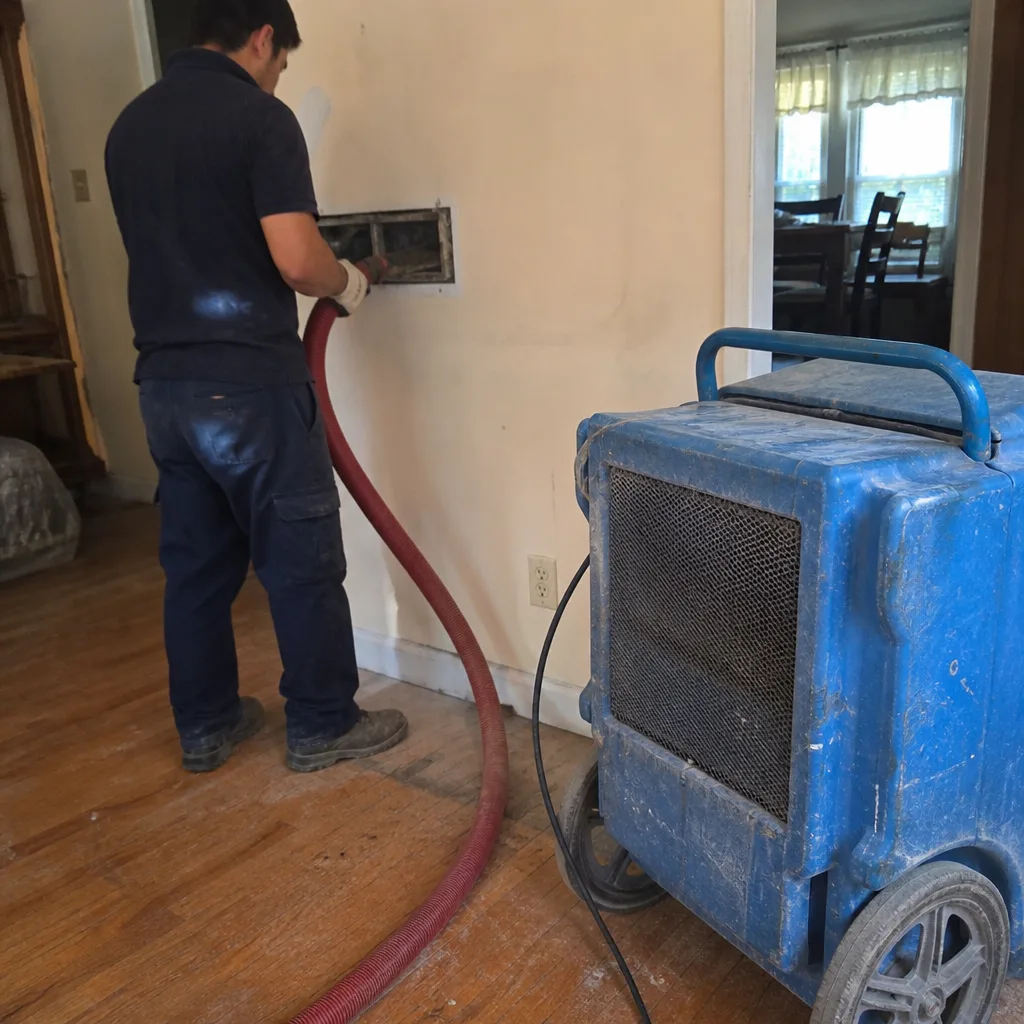 Before
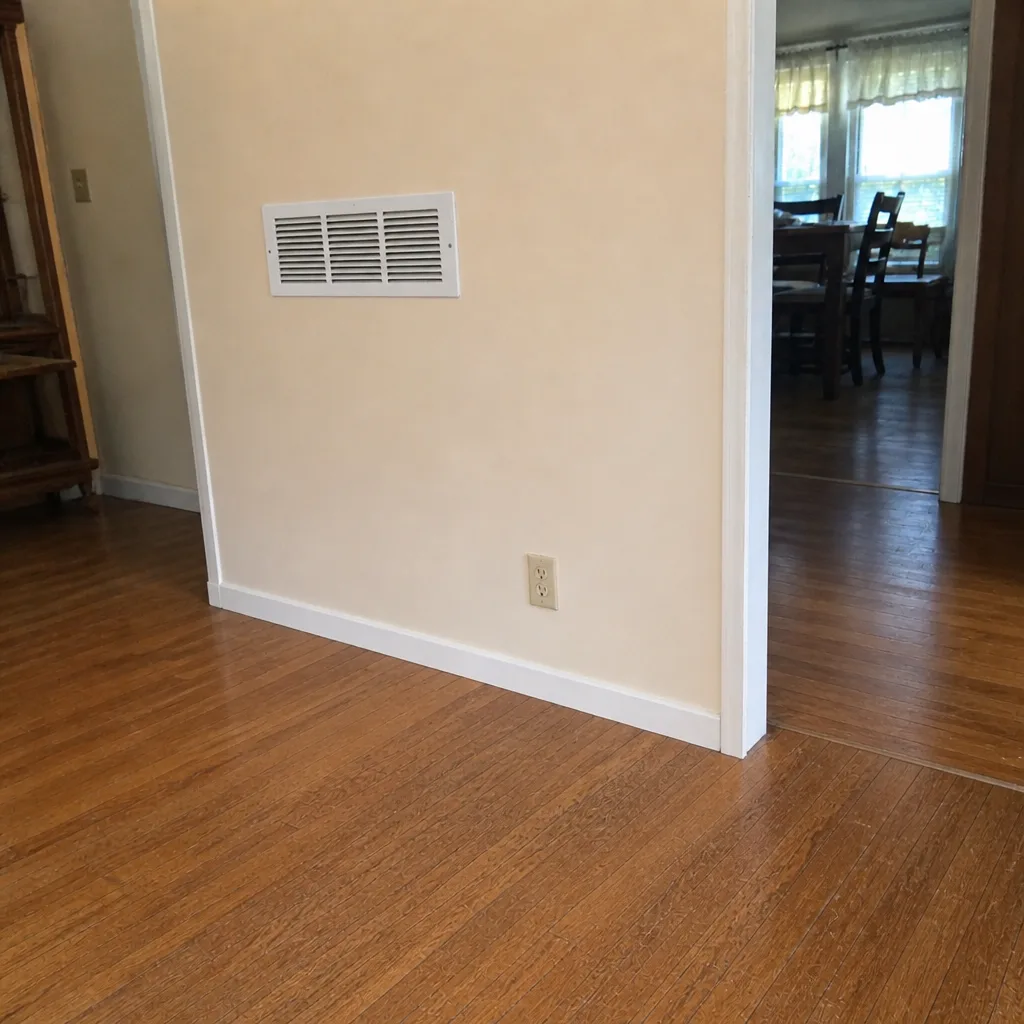 After
When to Call a Professional
Some situations are clear enough that professional attention is the right move. If your system hasn’t been cleaned in more than five years, especially in a Canarsie home built before 1980, a full inspection is worthwhile. If anyone in the household has developed respiratory sensitivity, dust allergies, or asthma-like symptoms that get worse inside the home, the air pathway is worth verifying. Visible debris, staining, or musty odor around registers is a sign the system needs attention. Recent renovation work without duct protection during the construction phase tends to leave drywall dust in the system, and that’s better extracted than left to circulate. And if your energy bills have drifted up without an obvious equipment cause, duct leakage is one of the first things to rule out.
Air Duct Cleaning Canarsie offers free estimates in Canarsie. Call (888) 774-8092. We answer 24/7. Fast dispatch from 7am to 7pm, Sunday through Friday.
Frequently Asked Questions
Most Canarsie homes benefit from cleaning every three to five years, and homes built before 1980 with original galvanized ductwork often need it closer to the three-year mark because joint separation tends to return. Homes with pets, recent renovations, or moisture history may need it sooner. If you’re unsure, a free inspection answers the question better than a schedule. Call (888) 774-8092 for an exact quote; estimates are free.
Pricing in Canarsie depends on the number of registers, the length of the runs, whether sealing is needed, and whether dryer vent cleaning is included. Every job is quoted as a flat price per system, agreed before work starts. That’s deliberately not per-vent, because a per-vent price invites a low teaser that grows once the technician is on site. Call (888) 774-8092 for an exact quote on your home; estimates are free.
Cheap quotes usually skip the expensive parts: the negative air machine, the return-side cleaning, the sealant, and the documentation. What’s left is surface vacuuming at each register, which looks fine on the day and does very little. If a quote seems half of another, ask what it includes and what it leaves out. The gap is almost always there. Call (888) 774-8092 and we’ll walk you through exactly what’s included in ours.
You ask for before-and-after photographs of your own ducts, plus a report that lists which joints were sealed and what the dryer vent cleaning found. A credible contractor provides that as standard, not on request. If a crew leaves without documentation, you have no way to verify what happened. Call (888) 774-8092 if you’ve had a cleaning and want to know whether it was done properly.
Yes, and in Canarsie it should be standard practice, not an upsell. Cleaning opens access to the joints, and sealing them prevents cavity air from being pulled back into the system afterward. Doing them separately means opening the same ductwork twice. Call (888) 774-8092 to schedule both in one visit.
Duct cleaning is the ductwork: supply runs, return runs, boots, trunks, and joints. HVAC cleaning is the equipment: blower, evaporator coil, heat exchanger surfaces, and cabinet. Both are part of the air pathway, and both benefit from a service visit that treats the system as one connected pathway. Call (888) 774-8092 for a free estimate on either or both.
The Bottom Line
Air duct cleaning in Canarsie is about following a process, not picking the cheapest bid. Source removal beats surface vacuuming every time: negative pressure plus agitation plus extraction, doing the whole air pathway from return chases through the trunk and out through the dryer vent. Sealing belongs in that process, not as an upsell, because pre-1980 homes in this neighborhood pull cavity air into the system when joints fail. Documentation is the proof that it happened. If a contractor can’t show you photos from your own system and a written joint log, the work isn’t finished. If you want free before-and-after photos, professional-grade Rotobrush and Nikro equipment, and a flat price per system agreed before work starts, Air Duct Cleaning Canarsie is the number to keep.
Contact
Ready to schedule a free estimate? Call (888) 774-8092. We answer 24/7. Fast dispatch from 7am to 7pm, Sunday through Friday. The estimate is free, the price is set per job by the written estimate, and you’ll get before-and-after photos of your own ducts along with the sealing record. Whether you’re in a rowhouse near the bay or a semi-detached home on a quieter Canarsie block, we’ll walk your system and tell you what it actually needs.
Written by the team at Air Duct Cleaning Canarsie.