
Last updated November 22, 2026
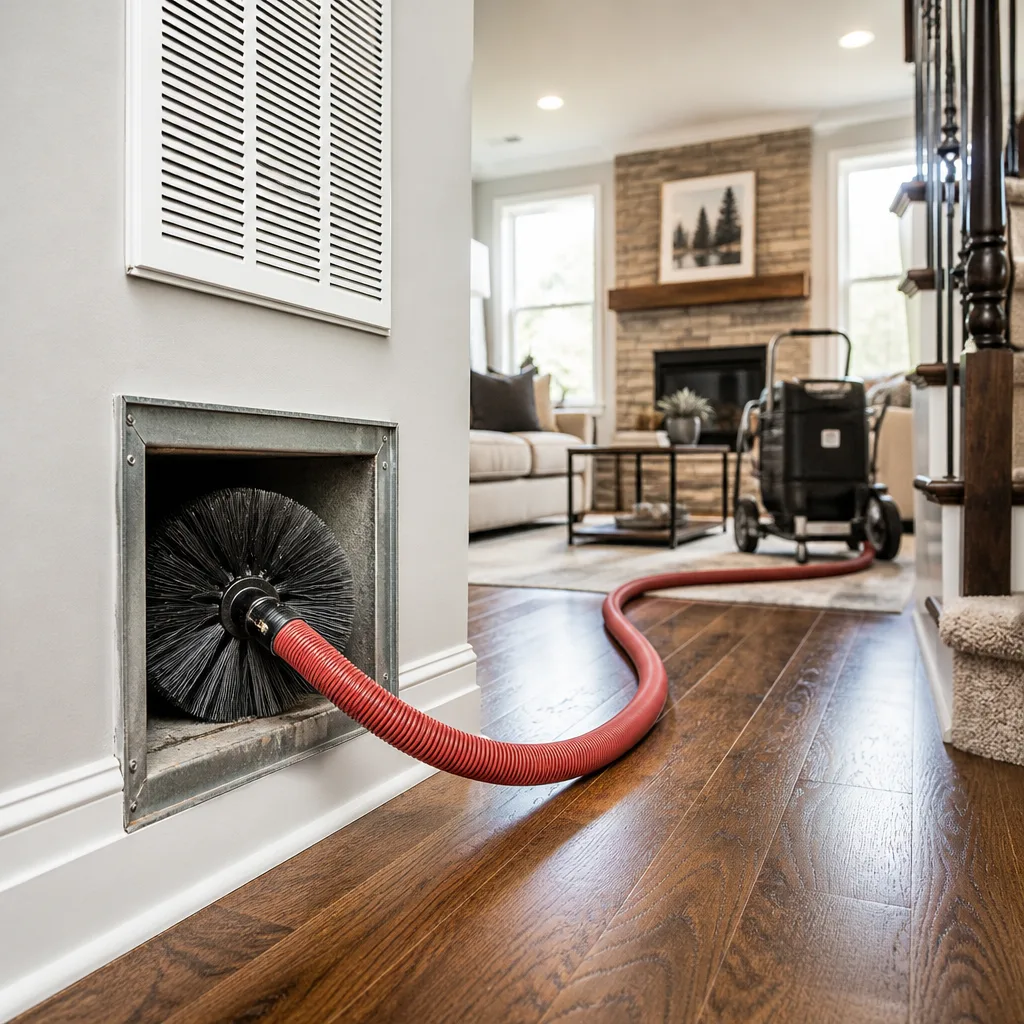 Whole-home duct cleaning
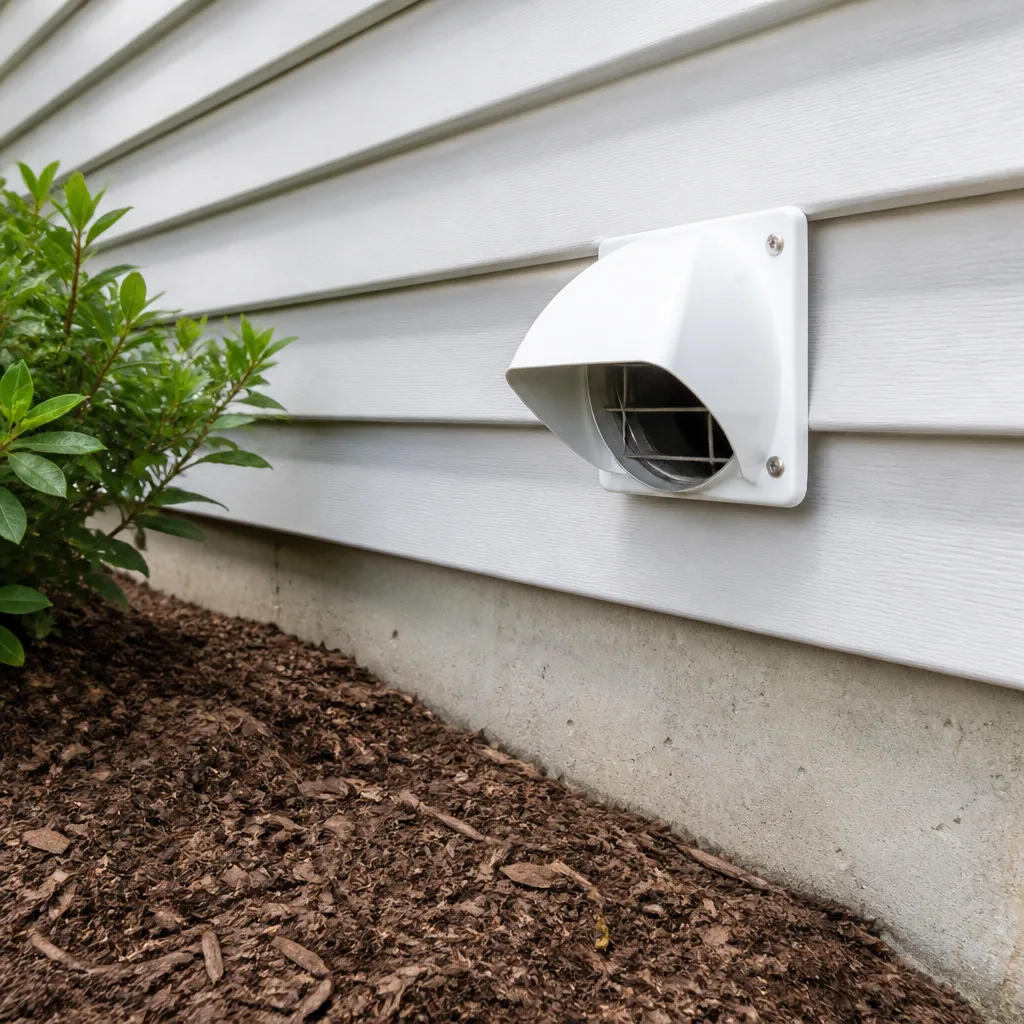 Dryer vent cleaning
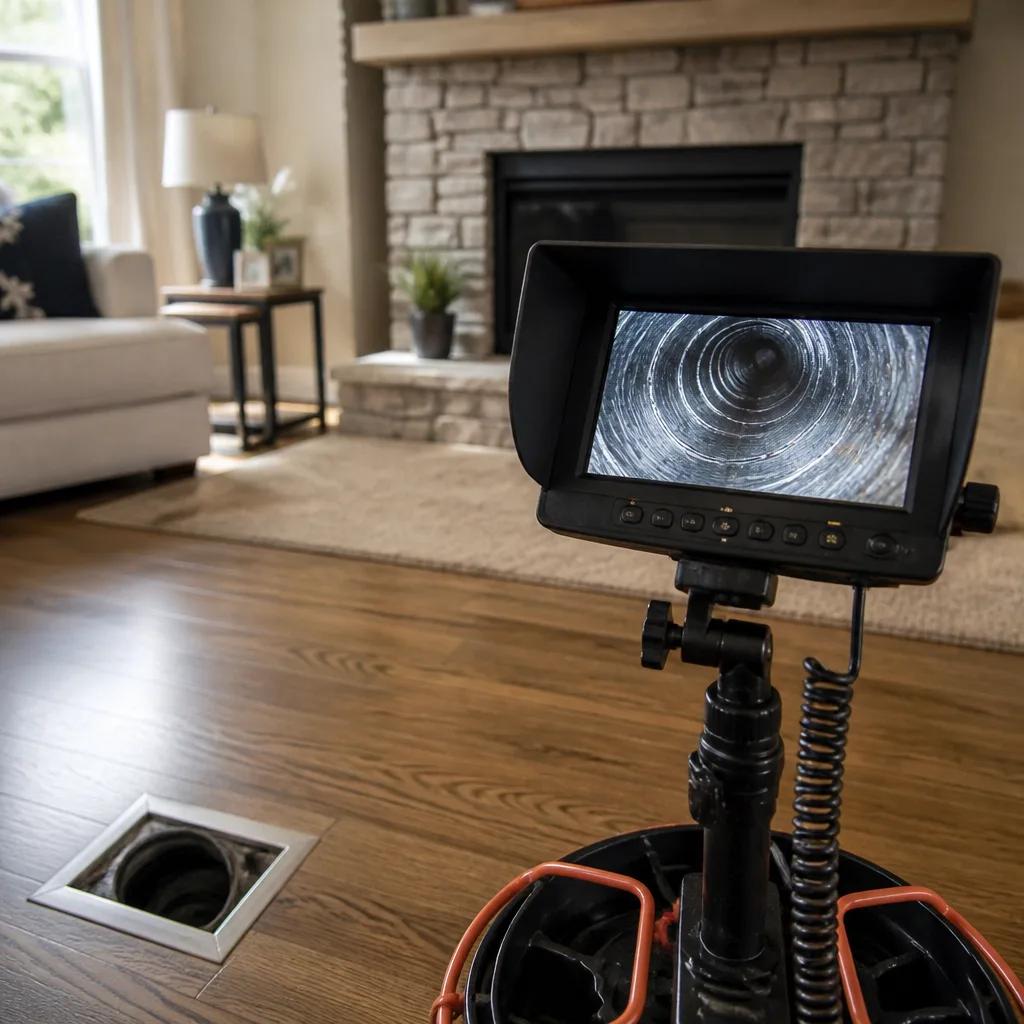 Camera inspection
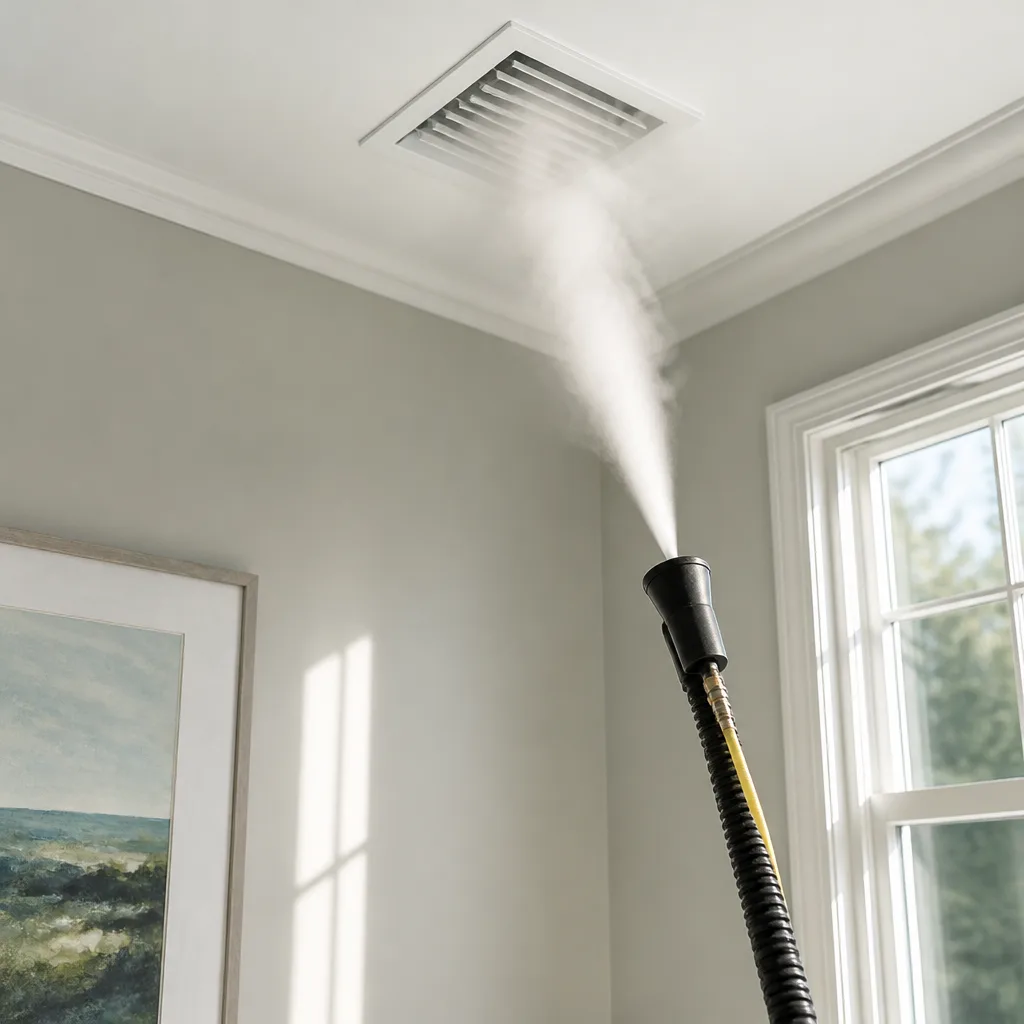 Sanitizing & deodorizing
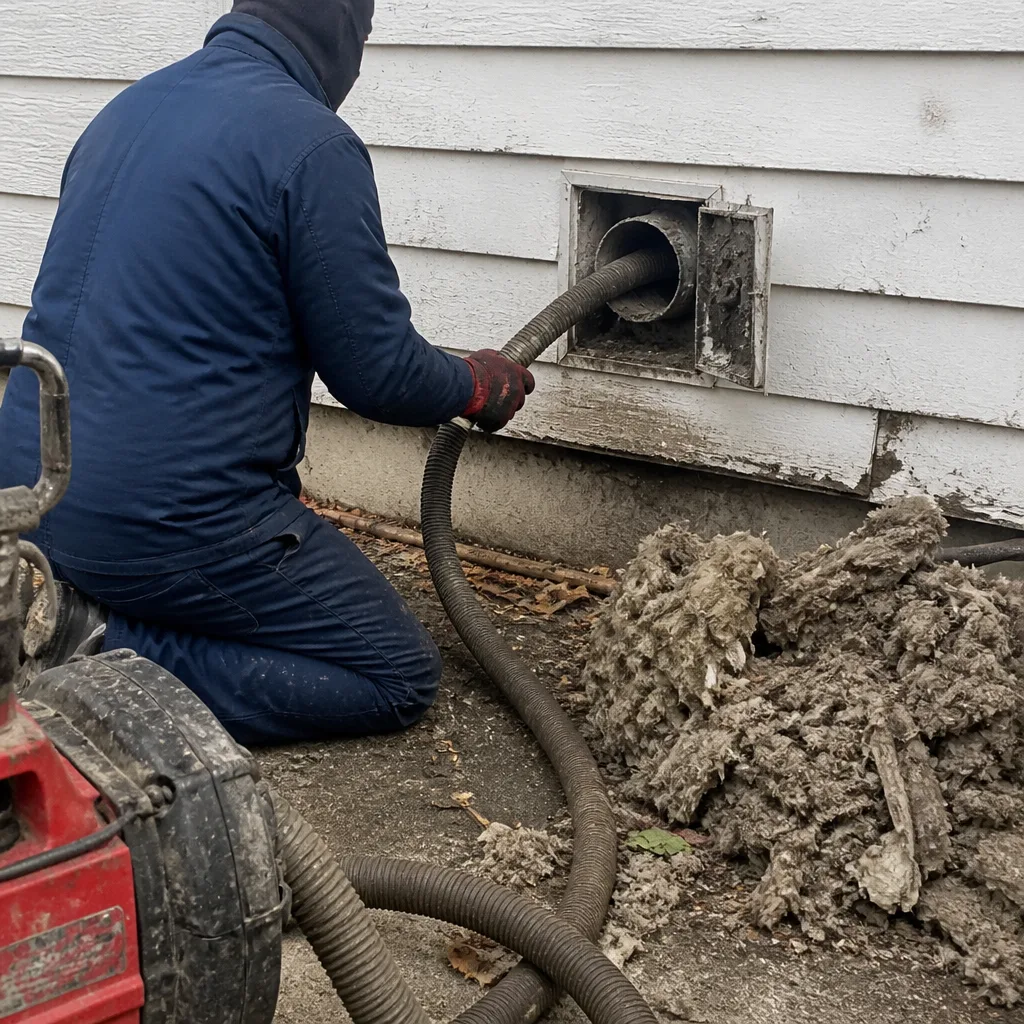
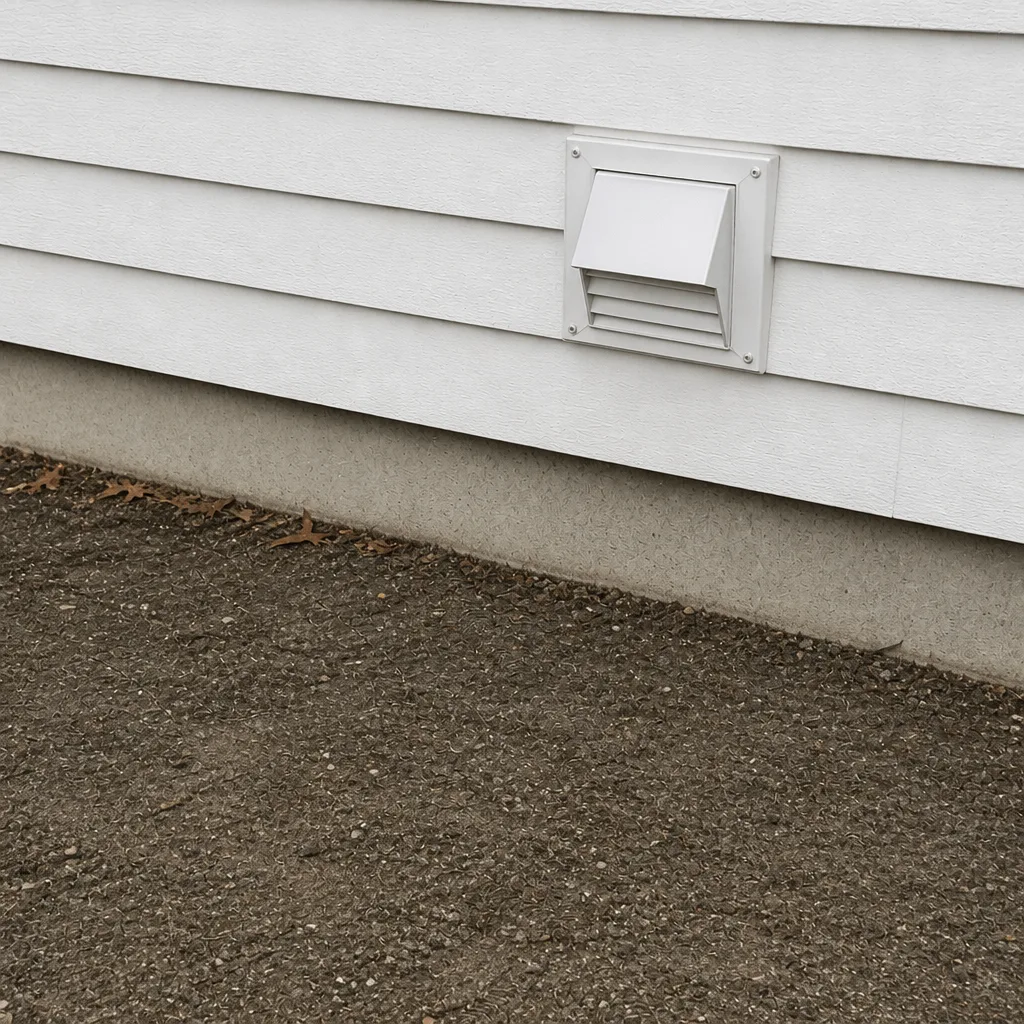
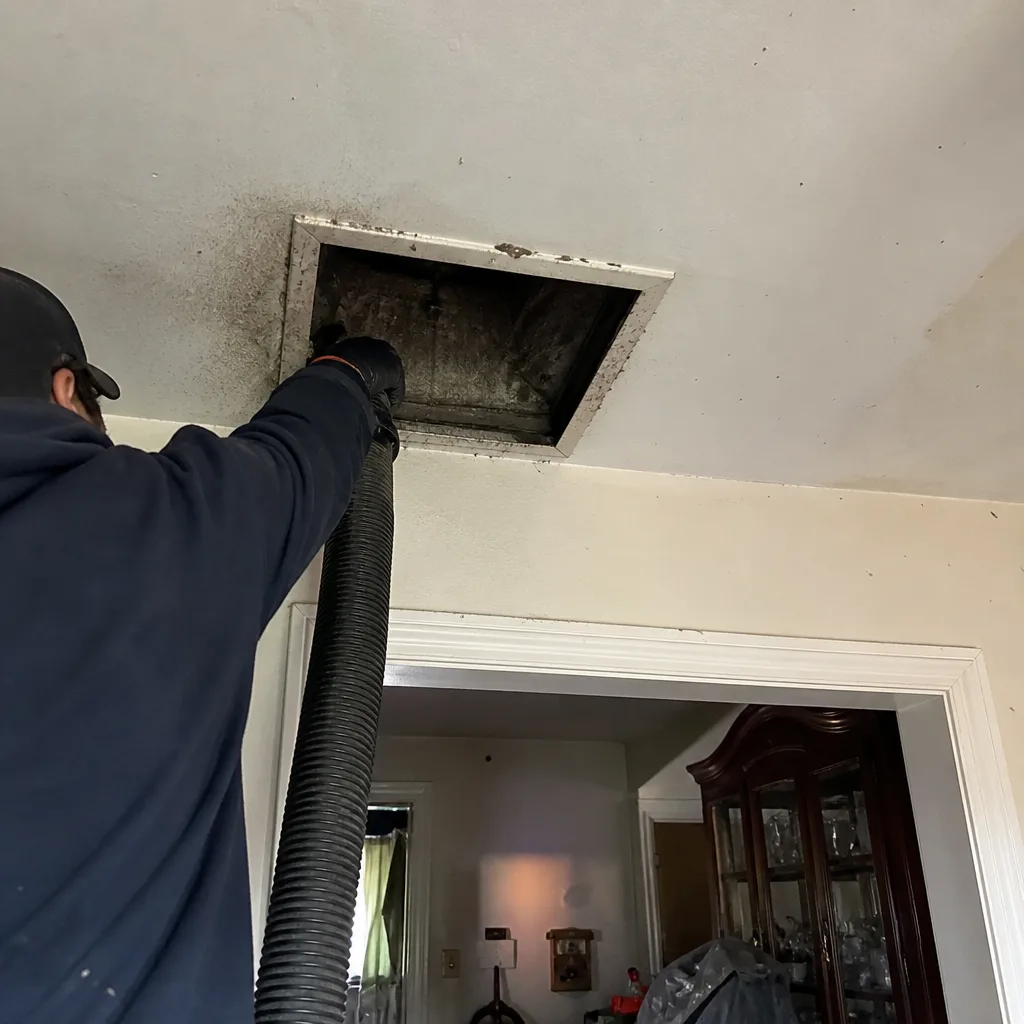
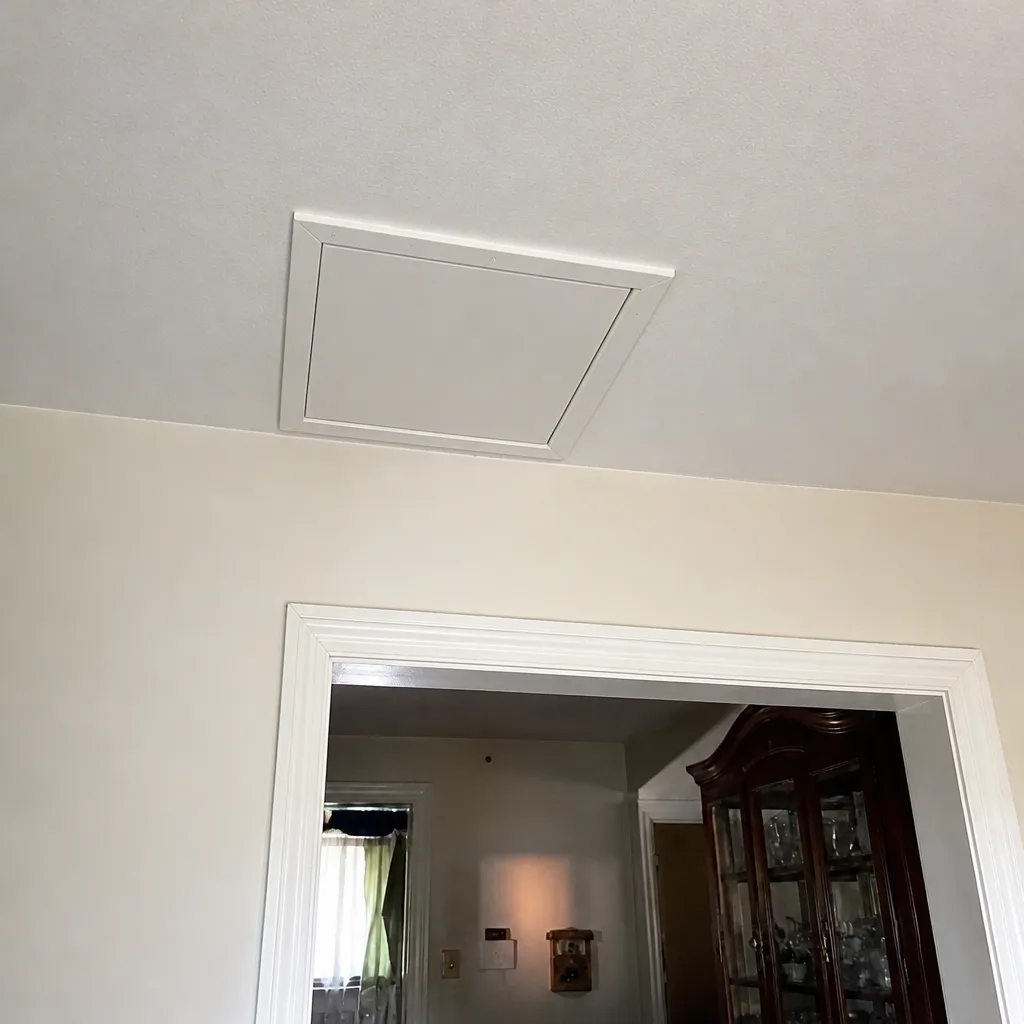
Whole-system duct and dryer vent check with before-and-after photos - you see exactly what came out of your vents
That "$99 whole-house special" is a bait ad - the real number appears once they are in your hallway, or the "clean" is a shop-vac at the register. We photograph the inside of your ducts before and after instead.
How to Hire an Air Duct Cleaning Contractor in Canarsie: A Step-by-Step Guide
Most homeowners pick a duct cleaner the way they pick a pizza place: lowest price, fastest delivery. That works for dinner. It doesn’t work for the airway system of your house. The EPA has warned for years that improper duct cleaning can actually make indoor air pollution worse, so a cheap bid from a crew that doesn’t know what it’s doing isn’t a neutral outcome. It’s an active risk, especially in the older housing stock around Canarsie where duct wrap and insulation aren’t always what they appear to be from the register. This guide walks you through how to vet a contractor properly: the questions to ask, the warning signs of a bait-and-switch crew, what a real pre-job inspection looks like, and the terms you need in writing before anyone touches a duct.
Quick Answer
To hire an air duct cleaning contractor in Canarsie, ask for proof of licensing and insurance, confirmation of NADCA membership or equivalent training, a written scope of work based on an actual on-site inspection, and documentation of the equipment being used. Then insist on before-and-after photos and a written agreement covering what happens if mold or debris is missed. A legitimate contractor will answer every one of these questions without hesitation. A blow-and-go crew will get vague, change the subject, or quote you a price over the phone without ever seeing the ducts.
Styles & brands we work with
- Whole-home duct cleaning
- Dryer vent cleaning
- Camera inspection
- Sanitizing & deodorizing
Table of Contents
- Why Hiring Wrong Is Worse Than Not Hiring at All
- What Credentials and Coverage to Confirm Before You Book
- What a Real Pre-Job Inspection Looks Like
- How to Spot a Blow-and-Go Bait-and-Switch
- Canarsie Housing Stock and Why Duct Configuration Matters
- The Equipment Questions Most Homeowners Never Ask
- Contract Terms to Get in Writing
- How to Verify the Work Was Actually Done
Why Hiring Wrong Is Worse Than Not Hiring at All
Air duct cleaning done badly doesn’t just fail to help. It can move contamination around the system, dislodge materials that were stable, and push debris into the airstream where it reaches every room in the house. That’s the opposite of what you’re paying for. In Canarsie, where a lot of the housing dates to the mid-20th century, the ducts themselves are often the issue: aging flex duct, degraded sealant at joints, and in some cases insulation wrap that a careless crew can tear loose.
There’s a second quiet failure worth naming. When a contractor cleans ductwork connected to a premium HVAC system without knowing the equipment, they can void manufacturer warranties or disturb components the system depends on. Homes in Canarsie with Honeywell or Aprilaire filtration and control systems fall into that category, and those systems need a cleaner who understands how they’re built before reaching in with a brush.
None of this is meant to scare you off cleaning. A properly done job on the full air pathway makes a measurable difference. It’s meant to set the bar: the person you hire should be equipped to do this work, not just available to do it. That distinction is worth more than any coupon code.
What Credentials and Coverage to Confirm Before You Book
Before anyone schedules a visit, get four things confirmed in writing or on a call. Every one of them is a question a real contractor expects to hear.
- Licensing and insurance. Ask whether the contractor is licensed in New York and carries general liability and workers’ compensation coverage. The local pro should be licensed and insured as their state requires. If they can’t tell you plainly, don’t book.
- NADCA membership or equivalent training. The National Air Duct Cleaners Association publishes standards for assessment, cleaning, and restoration. Membership isn’t a guarantee of quality, but a contractor who isn’t a member and has no equivalent training is telling you something important.
- Specific equipment. Ask what extraction and brushing platforms they use. If the answer is “a big shop vac,” that’s not duct cleaning. Purpose-built equipment like Rotobrush or Nikro exists because consumer vacuums can’t generate the airflow and agitation a duct system requires.
- Experience with your system type. Ask whether they’ve worked on the duct configuration common in Canarsie homes: Brooklyn attached rowhouse layouts with shared wall chases, and detached single-family homes where ducts run through unconditioned space differently. A contractor who hasn’t thought about the difference is guessing.
Hesitation on any of these is your answer. So is a phone quote with no questions asked about your house. We’ve seen homeowners talk to three contractors before they realized one of them was actively dodging the licensing question. That’s not a contractor you want inside your mechanical system.
Why Ducking These Questions Is a Red Flag
A contractor with nothing to hide will answer the licensing and insurance question in a sentence. When they deflect, downgrade the paperwork (“we’re working on it”), or say “everyone does it” about documentation, they’re telling you what their accountability will look like if something goes wrong. Assume that pattern holds after the job too.
What a Real Pre-Job Inspection Looks Like
No reputable duct contractor quotes a price over the phone with no inspection. Period. Duct systems vary enormously by house, and the scope of work depends entirely on what’s inside the ducts, not on square footage or a flat per-vent count.
A legitimate pre-job inspection typically includes:
- Removal of at least one register cover to look inside the supply trunk and confirm contamination level
- Access to the return side, which often carries the worst buildup and is where blow-and-go crews skip entirely
- Visual or camera inspection of any flex duct runs to check for tears, kinks, collapsed sections, or dislocated joints
- A look at the air handler and the filter setup, especially if you have a premium filtration system from Honeywell or Aprilaire already installed
- Confirmation of whether dryer vent cleaning is part of the scope, because that’s a separate service a duct-only operator will either refuse or quietly skip
- A written quote itemizing each service included, with a flat price agreed before work starts
If the estimate you receive is a single line with a number next to it, ask what’s actually included. “Whole-home cleaning” means nothing without a breakdown. In Canarsie’s market, that breakdown should distinguish supply cleaning, return cleaning, and whether any repair or sealing is included if damage is found.
A contractor who skips the inspection is either guessing at price or planning to upsell once the truck is parked. Either way, the written estimate you get before the job is the only one that counts.
How to Spot a Blow-and-Go Bait-and-Switch
The New York metro market is crowded with operators running the same playbook: advertise a low coupon price per vent or per system, show up with a light vacuum, pull registers for fifteen minutes, then tell you halfway through that you need “deep cleaning” or “sanitizing” or “sealing” and it’s going to cost three times the advertised price. The job finishes in under 45 minutes.
That’s not duct cleaning. It’s an entry fee to an on-site upsell. Here’s how to recognize it before it happens:
- The price is by the vent, not by the system. Whole-system pricing is the honest unit. Per-vent pricing leaves room to inflate the vent count.
- No pre-job inspection. If they quoted you a number without looking, the whole thing was a door-opener.
- Arrival without equipment. A crew that shows up with a shop vac and a whip tool isn’t equipped for the job. Professional-grade platforms show up on the truck: extraction units, brushing systems, HEPA filtration.
- No before-and-after documentation. A real contractor photographs what they removed, where it came from, and what the ducts look like afterward. Ask to see your own ducts. A crew that can’t show you is a crew you shouldn’t trust.
- Under 45 minutes. A proper whole-home cleaning on a typical Canarsie house takes hours, not a coffee break.
- The technician has no answers. Ask how many returns the house has. Ask what the extraction airflow is. Ask what material the flex runs are. A trained technician has answers; a salesperson doesn’t.
In our experience, the cheapest bid is rarely the smallest invoice. It’s the smallest number on the front page and the largest number at the bottom, once the technician is already inside.
Canarsie Housing Stock and Why Duct Configuration Matters
Canarsie’s housing isn’t uniform, and neither are the duct systems running through it. A cleaner who doesn’t ask about your house type is a cleaner who’s running the same playbook on every job.
Two configurations dominate here:
Brooklyn Attached Rowhouses
Attached homes share wall chases with neighbors. Ducts run through tight mechanical chases that make access harder, and duct runs can be shorter and more convoluted than in a single-family detached house. Contamination in a rowhouse isn’t isolated to one unit’s ductwork, but cleaning a shared building requires coordination and a contractor who understands how the ducts are routed rather than blindly running a brush into the first register they see.
Detached Single-Family Homes
Detached homes in Canarsie often have duct runs through unconditioned attic or crawl spaces. That’s where flex duct sections are most vulnerable to tears, kinks, and sagging that lets condensation collect. A real inspection of a detached house pays specific attention to the runs above the conditioned envelope.
Ask the contractor which type they’re working on and how that changes their scope. If they don’t have a different answer for each, they’re not paying attention. This is why our own inspections look at the house type first, then build the scope around what the ducts actually do. The air duct cleaning process that fits a rowhouse with a two-return setup is not the process that fits a detached colonial with six runs through an attic.
Dryer vents are the other piece: a duct-only crew often has no scope for them at all, and the vent is the highest fire-risk element in the whole air pathway. If your contractor doesn’t handle dryer vent cleaning, you’re now hiring twice, which is where scope gaps start to cost real money.
The Equipment Questions Most Homeowners Never Ask
Nobody asks what’s being used inside their ducts. That’s a mistake, because equipment is the difference between contamination being removed and contamination being reintroduced as airborne particles.
The minimum bar for a real whole-home cleaning is a purpose-built duct cleaning platform with a HEPA-filtered extraction unit. Consumer vacuums and repurposed shop vacs don’t qualify. They don’t generate the airflow, they don’t filter fine particles, and they don’t have the tooling to reach into a flex run without damaging it. Professional-grade platforms, including Rotobrush and Nikro systems, are built for ductwork specifically, and they’re the same tools commercial HVAC contractors specify when they clean mid-size systems.
For homes with premium filtration or control systems, ask a further question: is the contractor experienced with Honeywell and Aprilaire configurations? Those systems need to be handled without disturbing compatibility or voiding the manufacturer’s warranty on your existing equipment. A cleaner who doesn’t know the difference is a cleaner who might do damage without realizing it.
If you’re adding sanitizing to the job, ask what’s used. Basic sanitizing is a spray into the ducts. Commercial-grade contaminant control uses equipment built for air-quality work, like Abatement Technologies platforms, plus a protective treatment applied after cleaning, not instead of it. That’s the standard we work to, and it’s worth asking any contractor about before you book.
Contract Terms to Get in Writing
Get the agreement in writing before work begins. Not a text message. Not a verbal “we’ll clean the whole system.” A written scope of work with these elements:
- Scope of work. Which ducts are being cleaned (supply, return, or both), how many registers, and whether dryer vent, HVAC cleaning, repair, or sealing is included. If it’s not in the scope, it’s not happening, and you’ll be upsold on the visit.
- Equipment being used. Named platforms: Rotobrush, Nikro, Abatement Technologies, or equivalents. Naming equipment is a commitment.
- Pricing. One flat price per system, agreed before work starts. No per-vent pricing, no “starting at” language. The written estimate sets the final price.
- Post-job documentation. Before-and-after photos of your actual ducts, not stock photos. A written report of what was removed and where.
- Recourse if contamination is missed. If mold or debris is found post-job, what happens? A contractor with a satisfaction guarantee will say so in writing. A contractor who dodges the topic is telling you what your options will be.
- Damage clause. If flex duct is torn or a joint is dislocated during cleaning, who’s responsible for repair? This matters more in older homes, where aged materials are more brittle.
Terms like these are standard for a professional contractor and unusual for a blow-and-go crew. Asking for them is the single fastest way to filter one from the other.
How to Verify the Work Was Actually Done
Post-job verification is where the honest contractor separates from the hustler. After cleaning, you should receive:
- Before-and-after photos of your ducts from the same angles, showing the same registers and trunk sections
- A summary of what was removed (dust, debris, construction material) and roughly where in the system it came from
- Confirmation of any repair or sealing work, with photos of the sealed joints or replaced sections
- Verification of the dryer vent, ideally with an airflow check or a visual confirmation of a cleared exterior termination
If those aren’t offered, ask. If they’re refused, that’s the final word. A technician who did the work will show you what they did. A technician who didn’t will change the subject.
Verification matters even more in an older home. A missed tear in flex duct or a disconnected joint on the return side is the kind of thing no amount of post-job spraying will address. It comes back as a pressure imbalance and discomfort within a few weeks. If you’re not sure your contractor can handle that scenario, our guide on HVAC cleaning explains how duct cleaning and mechanical system cleaning fit together. Our wider page on Air Duct Cleaning Canarsie walks through the full scope we handle, from cleaning through repair and sealing.
Common Mistakes to Avoid
- Booking on price alone. A low coupon price in the Canarsie market almost always signals a bait-and-switch: a teaser number on the phone, an inflated final bill after the technician is inside. Pay for scope, not for a discount headline.
- Skipping the inspection. A quote without a visit to your house is a quote with no scope underneath it. Insist on an on-site inspection, with the register pulled, before any price is agreed.
- Not asking about the house type. Attached rowhouses and detached single-families in Canarsie have very different duct runs, and one scope does not fit both. Ask a contractor to explain the difference for your house before booking.
- Assuming chemical spray equals sanitizing. Spraying a chemical into a dirty duct is not sanitizing; it’s decoration. Sanitizing follows cleaning, uses commercial-grade air-quality equipment, and leaves a protective treatment behind.
- Forgetting the dryer vent. A duct cleaner who doesn’t touch the dryer vent leaves one of the highest-risk parts of the home’s air pathway untouched. Ask whether dryer vent cleaning is in the scope before you book.
- Accepting no documentation. If you don’t get before-and-after photos of your own ducts, you can’t verify anything. A contractor worth hiring will offer the documentation without being asked.
- Ignoring warranty risk on premium equipment. Homes with Honeywell or Aprilaire components need a technician who knows how those systems are built. A cleaner who doesn’t could void a manufacturer warranty without knowing it.
See the difference
 Before
 After
 Before
 After
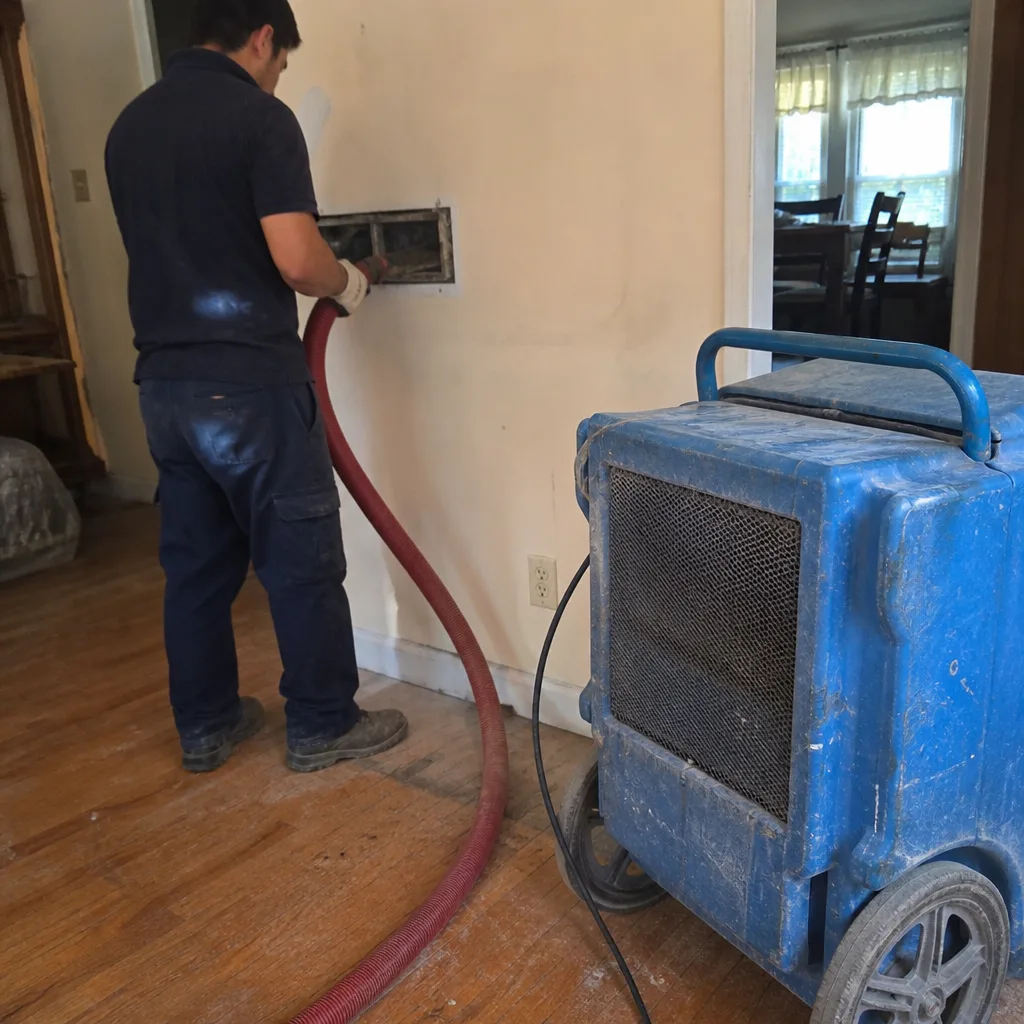 Before
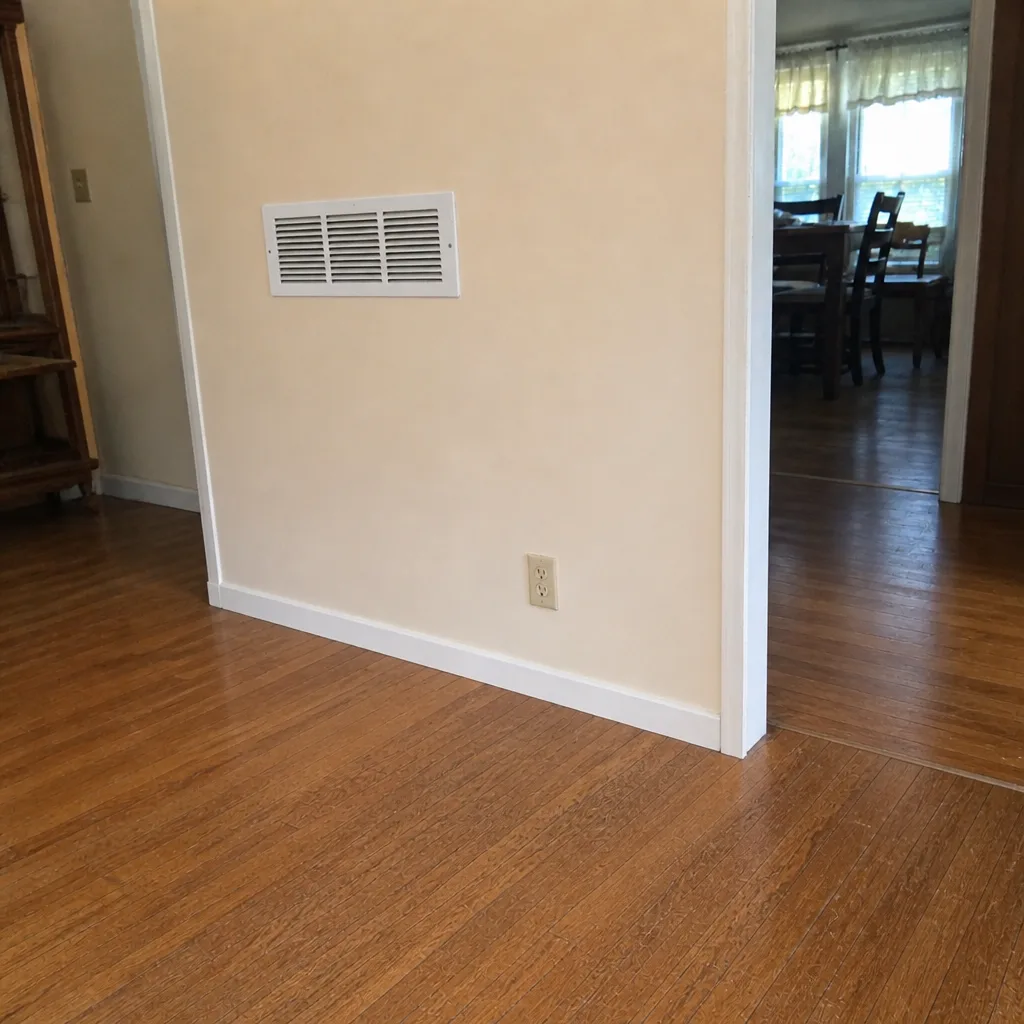 After
When to Call a Professional
A few situations in a Canarsie home move duct cleaning from “eventually” to “now.” Visible debris blowing from the registers when the system starts up is one. Persistent dust buildup on surfaces that reappears within days of cleaning is another. Allergy symptoms that get worse when the system runs, or a musty smell any time the blower kicks on, point to contamination that no air filter in the house will fix on its own.
Visual signs matter too. Torn or disconnected flex duct, mold growth around a register, condensation or pooling moisture inside a duct run, or a dryer that now takes two full cycles to dry a load. Those are the moments when a professional inspection is the cheaper option, not the more expensive one.
Air Duct Cleaning Canarsie offers free estimates in Canarsie. Call (888) 774-8092. We answer 24/7. Fast dispatch from 7am to 7pm, Sunday through Friday. We handle the full air pathway under one roof: cleaning, sealing, sanitizing, and dryer vent service.
Frequently Asked Questions
Ask four questions before booking: are you licensed and insured in New York, are you a NADCA member or equivalently trained, what equipment do you use, and can you inspect my ducts before quoting? A qualified contractor answers all four plainly. One who dodges the licensing or equipment question is telling you to look elsewhere. The local pro is licensed and insured as their state requires.
Because they’re not quoting the same job. A low phone quote in the Canarsie market usually covers a quick pass with consumer-grade equipment, followed by an on-site upsell for “deep cleaning” or “sanitizing” that wasn’t in the original number. Whole-system pricing, agreed in writing before work starts, is the only number that means anything. Call (888) 774-8092 for an exact quote. Estimates are free.
A proper whole-home cleaning on a typical Canarsie house takes hours, not minutes. If a crew is out the door in under 45 minutes, they didn’t clean the system. Returns, supply runs, and the air handler all take time to work through correctly.
A good filter captures what passes through it, but it doesn’t remove what’s already settled in the ducts or seal the gaps that let new debris in. If you’re seeing dust blow from registers, musty smells when the blower runs, or signs of torn flex runs, a filter isn’t the answer. An inspection will tell you what is.
Cleaning removes what’s inside the ducts. Sealing closes the gaps at joints and connections that let conditioned air escape and contaminants enter. A contractor who only cleans and doesn’t repair or seal leaves leaks that undo a good portion of the cleaning’s value. Ask whether repair and sealing are part of the scope before booking.
Yes, ideally. The dryer vent is part of the home’s air pathway, and a duct-only crew often has no scope for it. A single provider that cleans, repairs, and handles the dryer vent leaves no gap for you to chase down separately. Call (888) 774-8092 for an exact quote. Estimates are free.
The Bottom Line
Hiring a duct cleaner in Canarsie comes down to a few things you can verify rather than a feeling about a price. Confirm licensing, insurance, and NADCA membership or equivalent training. Insist on an on-site inspection with a written scope of work, flat pricing per system, named equipment, and before-and-after photos of your own ducts. Match the scope to your housing type: attached rowhouse or detached single-family, with the supply, return, and dryer vent all accounted for. Then read the contract terms before signing. Our technicians have up to 8 years of experience working with professional-grade platforms and the system configurations found across Canarsie’s housing stock. The full picture of what we handle is on our Air Duct Cleaning Canarsie page. Call (888) 774-8092 for a free estimate. We answer 24/7. Fast dispatch from 7am to 7pm, Sunday through Friday.
Written by the team at Air Duct Cleaning Canarsie.