
Last updated November 22, 2026
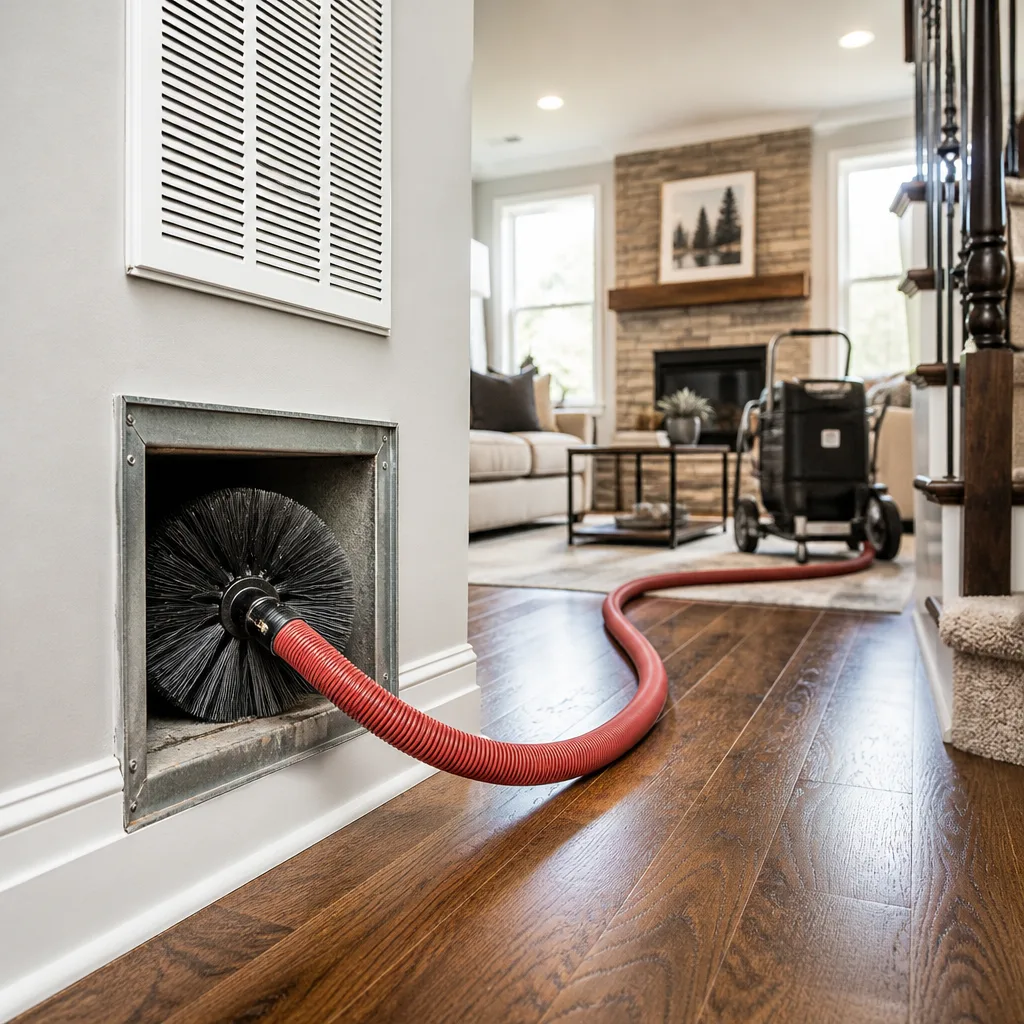 Whole-home duct cleaning
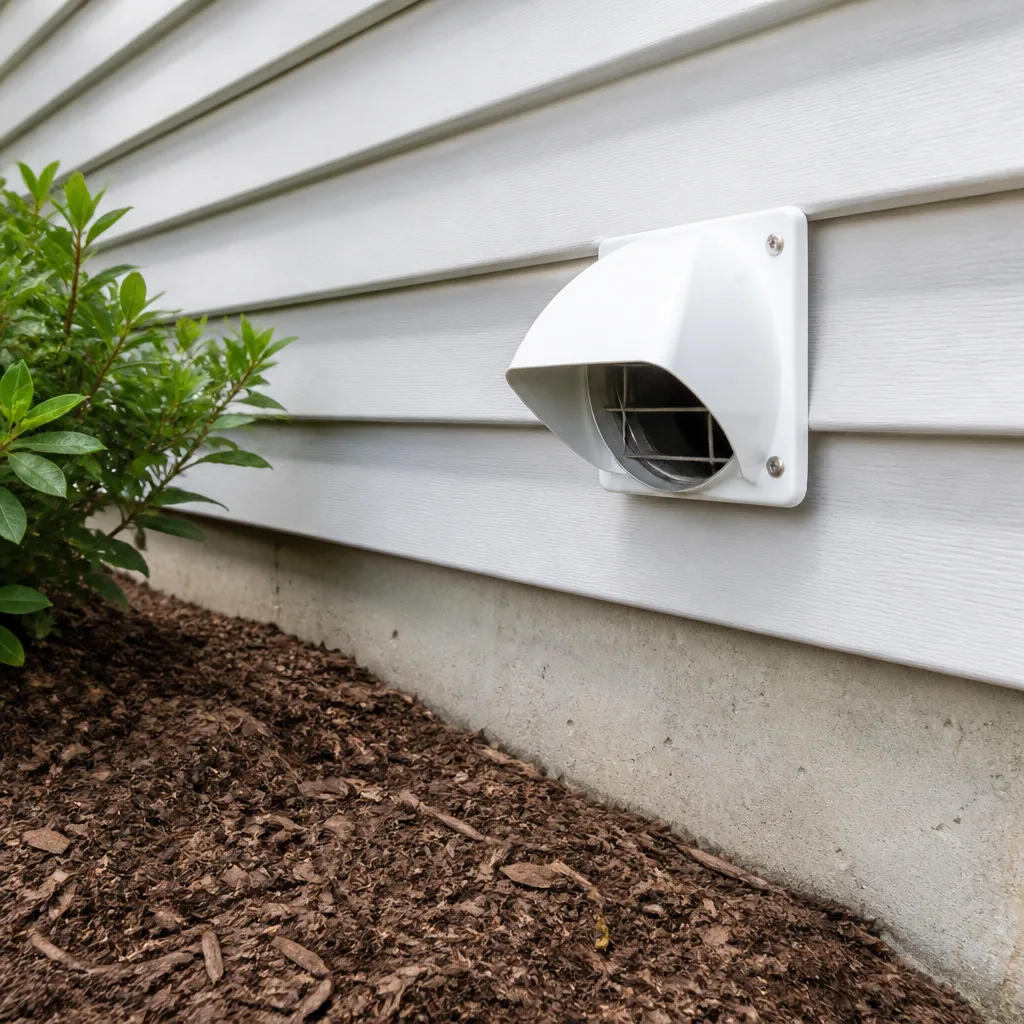 Dryer vent cleaning
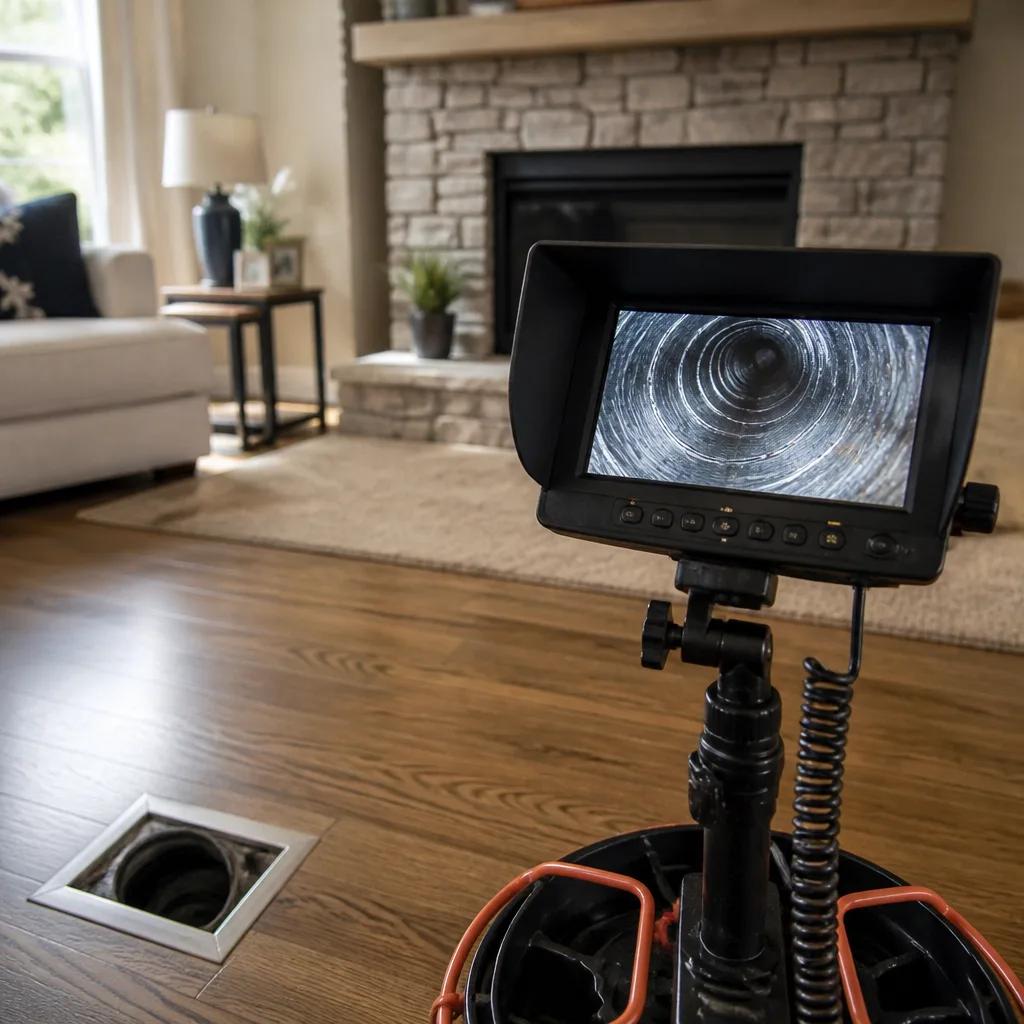 Camera inspection
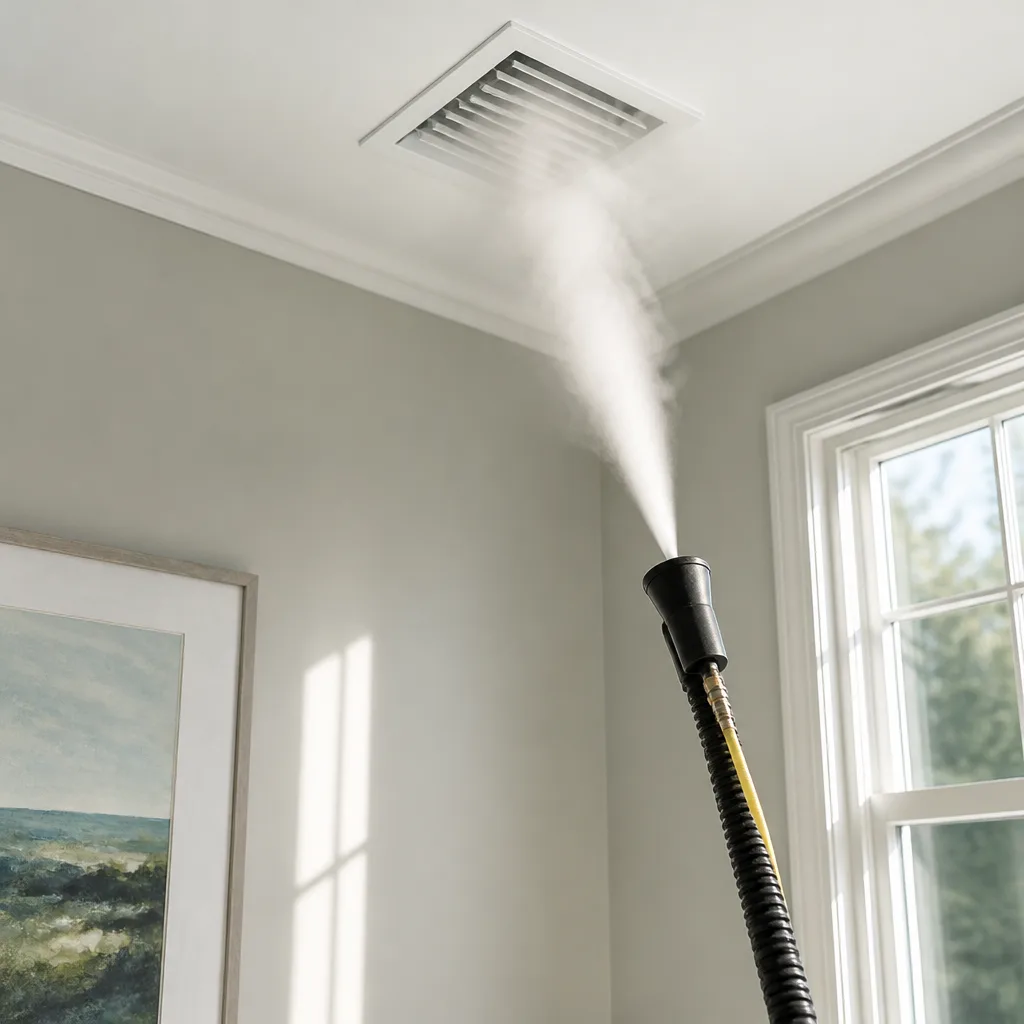 Sanitizing & deodorizing
Whole-system duct and dryer vent check with before-and-after photos - you see exactly what came out of your vents
That "$99 whole-house special" is a bait ad - the real number appears once they are in your hallway, or the "clean" is a shop-vac at the register. We photograph the inside of your ducts before and after instead.
DIY vs Professional Air Duct Cleaning: The Canarsie Homeowner’s Decision Guide
Most homeowners who decide to clean their own ducts believe they’re facing a question of effort. Put in a Saturday, rent a vacuum, save a few hundred dollars. That’s not the real divide. The real divide is equipment: without a negative-air machine pulling debris out of the system while a brush agitates it loose, manual cleaning moves dirt around inside the ducts rather than removing it. A shop vac and a vent brush can genuinely clean the first stretch of a supply register. Everything behind that register stays where it was, and often gets pushed deeper. This guide maps exactly where DIY stops being useful in Canarsie, what proper source-removal cleaning involves, and how to decide which side of that line your home is on.
Quick Answer
DIY air duct cleaning works for surface maintenance: washing grilles, vacuuming the visible first stretch of a register, changing filters, and inspecting accessible flex duct by eye. It does not remove debris from the full duct run, because that requires negative-air extraction and rotary brush agitation that consumer equipment can’t produce. If your ducts haven’t been cleaned in years, if you see debris blowing from registers, or if your home has older ductwork, professional cleaning is the only method that actually removes the source.
Styles & brands we work with
- Whole-home duct cleaning
- Dryer vent cleaning
- Camera inspection
- Sanitizing & deodorizing
Table of Contents
- What DIY cleaning actually accomplishes
- The equipment threshold: where DIY stops working
- Canarsie-specific factors that raise the stakes
- The real cost comparison: DIY vs professional
- When a DIY attempt makes the professional job harder
- A step-by-step way to decide
- What a professional cleaning actually involves
- When the problem is more than dirt
What DIY Cleaning Actually Accomplishes
It’s worth being honest about this, because the homeowner with a shop vac isn’t accomplishing nothing. Several tasks in the DIY column produce real, measurable improvement in indoor air quality and system efficiency. The mistake is treating those tasks as a substitute for full duct cleaning rather than as maintenance between professional visits.
Here’s what a homeowner can legitimately do:
- Clean supply and return grilles. Dust and debris accumulate on the face of every register. Pulling grilles, washing them in a sink, and wiping the frame removes a visible layer of settled particulate that would otherwise re-enter the airstream. This is genuinely worth doing, and it’s the single highest-value DIY task.
- Vacuum the first 12 to 18 inches of each supply run. With the grille off, a shop vac with a crevice tool can reach into the boot and remove loose debris sitting right at the opening. It’s a surface clean, but it’s a real clean.
- Inspect accessible flex duct by eye. In a basement or crawl space where flex runs are visible, a flashlight inspection can reveal disconnected sections, crushed runs, or visible mold growth. Knowing those exist is valuable even if you can’t fix them yourself.
- Upgrade filters. Moving from a basic fiberglass filter to a pleated MERV-rated filter appropriate for your system traps more particulate at the source. This is the highest-return dollars a homeowner can spend on air quality, and it costs less than a tank of gas.
- Keep the return path clear. Furniture, boxes, and rugs blocking return grilles choke airflow and raise static pressure. Moving them is free.
The realistic air quality benefit of that list: less visible dust at registers, cleaner grille faces, and better filtration. What it does not deliver is removal of the settled debris layer that coats the interior walls of the duct run, which is where the bulk of accumulated particulate lives. In Canarsie homes where ducts haven’t been touched in a decade or more, that layer is the problem, and grille washing doesn’t reach it.
The Equipment Threshold: Where DIY Stops Working
The line between surface maintenance and source-removal cleaning isn’t a matter of technique or effort. It’s a matter of two pieces of equipment that consumer tools can’t replicate: a negative-air machine and a rotary brush agitation system. Both have to run at the same time, and both have to be sized to the duct system.
Negative-air extraction
A negative-air machine is a high-volume vacuum connected to the duct system, usually at a main trunk or through a purpose-built access point. Its job is to put the entire duct run under negative pressure, so that when debris is loosened inside, air carries it out of the system and into a HEPA filtration unit rather than into the living space. Consumer shop vacs move a fraction of the air volume and can’t hold a whole duct system under negative pressure. The moment you open a register with a shop vac running, you’ve created a pathway for loosened debris to blow back into the room.
Rotary brush agitation
Settled debris bonds to duct walls. It doesn’t vacuum off; it has to be mechanically broken loose first. Professional systems use rotating brush heads on flexible shafts, fed through the duct run from register to trunk, that scrub the interior circumference as they advance. That’s what platforms like Rotobrush and Nikro are built for. A homeowner with a vent brush on a stick can reach the first bend and no further, and the brushing action itself stirs up debris without extraction to catch it.
Why consumer versions fall short
- Air volume. Professional negative-air machines move enough air to hold a full residential system under negative pressure. Shop vacs don’t come close.
- Filtration. Professional units exhaust through HEPA filtration. A shop vac’s filter passes fine particulate straight back into the room, which is the opposite of what you want during agitation.
- Reach. Rotary brush systems feed 30 feet or more into a duct run and negotiate bends. Consumer brushes reach a few feet and stall at the first elbow.
- Containment. Professional setups seal the register openings with negative pressure maintained throughout. DIY setups are open to the room.
That’s the threshold. Below it, you’re maintaining surfaces. Above it, you’re removing the source. There’s no gradual middle ground where a determined homeowner with better tools closes the gap. It’s an equipment category, and it’s the reason a proper cleaning is a scheduled professional job rather than a weekend project.
Canarsie-Specific Factors That Raise the Stakes
Canarsie has a housing stock and a climate that push the DIY-versus-professional question in a particular direction. Three factors matter more here than in a newer subdivision.
Older homes and the duct materials inside them
A significant share of Canarsie’s housing was built in the mid-twentieth century, and ductwork from that era sometimes includes materials that shouldn’t be disturbed by an amateur. Wrapped duct insulation and certain older duct board products can contain asbestos. We’re not claiming every older Canarsie home has it; the point is that a homeowner can’t tell by looking, and agitating old duct material with a brush before knowing what it is can turn a maintenance task into a hazard. If your home dates to the mid-century and the ducts have never been professionally inspected, that inspection should come before any DIY agitation. A professional assessment identifies the material first, then plans the cleaning around it. This is a safety issue, not a sales pitch.
Tight crawl space and basement access
Plenty of Canarsie homes route ductwork through low crawl spaces and cramped basements where a homeowner physically can’t get a shop vac to the trunk line, let alone maneuver a brush. Access matters because it determines whether the main trunk – where the largest volume of settled debris collects – can be reached at all. In homes where the trunk is only reachable through a small access panel, DIY cleaning is limited to registers by geometry alone.
Humid summers and mold risk during disturbance
Canarsie summers run humid, and that humidity finds its way into duct systems, particularly in basements and crawl spaces where the dew point is easier to hit. Damp duct interiors support mold growth on dust and debris. The problem with DIY agitation in that environment is straightforward: brushing loosens mold-laden debris without extracting it, and the loosened material settles back onto surfaces that are still damp. Professional cleaning pairs agitation with extraction so the material leaves the system, and it can follow with sanitizing treatment – Abatement Technologies air-quality equipment and Guardsman-grade protective treatment are built for that stage – to address what’s left on the surfaces afterward.
The Real Cost Comparison: DIY vs Professional
Here’s where the DIY argument usually rests: why pay a professional when the equipment costs less? The accounting only works if you compare the same job, which is the part the argument usually skips. Below is an honest line-by-line comparison of what each path costs and what each path actually delivers.
DIY: supply cost and what it buys
- Shop vac with HEPA filter cartridge: modest one-time cost, reusable
- Vent brush kit and crevice tools: modest one-time cost
- Replacement grilles or screws for damaged ones: small
- Pleated MERV-rated filters: recurring, and worth it regardless of which path you choose
- Your time: a full weekend for a partial result, and the physical work of pulling every grille in the house
What that buys: clean grilles, clean boots, clean filter. A real improvement in the visible layer of dust. What it doesn’t buy: removal of the settled debris layer inside the duct run, access to the trunk line, any cleaning of the return side, or any reduction in the biological load inside a damp duct system.
Professional: what the estimate covers and what it delivers
Professional air duct cleaning in Canarsie is priced per job, and the written estimate sets the final price. Rather than quote a number here that wouldn’t match your home, we’ll describe what the job actually includes so you can compare it to the DIY list above:
- Full supply and return duct cleaning with negative-air extraction and rotary brush agitation
- Trunk line access and cleaning
- Register and grille removal, cleaning, and reinstallation
- HVAC system cleaning where the estimate includes it
- Optional sanitizing with commercial-grade air-quality equipment and protective treatment
- Before-and-after photos of your own ducts, so you can see what came out
The cost-benefit gap is real: the professional job costs more than a shop vac, and it delivers a category of result the shop vac can’t reach. The honest way to frame it is one flat price per system, agreed before work starts – a number you can see and approve – rather than a per-vent charge that grows as the technician counts registers. For a whole-system job with verified results, that’s the comparison that matters.
When a DIY Attempt Makes the Professional Job Harder
This is the part of the DIY conversation that gets skipped, and it’s the part we see most often: a homeowner starts the job, gets partway, and stops – leaving the system in a worse state than they found it. The debris that was settled on the duct walls is now loose and distributed, and the professional cleaning that follows has more to remove, not less.
The scenarios where a DIY attempt compounds the problem:
- Agitating without extraction. Running a vent brush through a duct without negative-air extraction in place loosens debris and lets it resettle deeper in the system or blow back through registers into the room. The result is a dustier house than before the attempt.
- Opening a return without containment. The return side carries the highest debris load in most systems. Opening it without negative pressure to catch what’s inside releases that load into the living space.
- Dislodging a connection. Pushing a consumer brush past a flex duct joint can pull a connection apart, leaving a run blowing into a crawl space or wall cavity. Now the job includes repair, not just cleaning.
- Disturbing duct material that shouldn’t be disturbed. The older-home scenario above: agitating wrapped or board duct material without knowing what it is.
- Spreading mold without removing it. Brushing a damp, mold-affected duct loosens spores without extracting them and without any follow-up treatment to address the surfaces.
- Damaging a register boot or damper. Prying at grilles and dampers with the wrong tools bends components that then need replacement.
The warning signs to stop and call are straightforward. If debris is blowing out of registers while you work, if you see visible mold or a musty smell coming from the ducts, if you can’t identify the duct material in an older home, or if a flex connection comes loose while you’re working, put the tools down. Continuing from that point makes the eventual professional job larger.
A Step-by-Step Way to Decide
Here’s a practical sequence for reaching a decision without guesswork. It works in any Canarsie home, and it takes about fifteen minutes of looking and a couple of questions.
- Check when the ducts were last professionally cleaned. If you don’t know, or if it’s been more than a few years, that pushes toward professional. Duct systems accumulate debris continuously, and the settled layer doesn’t thin out on its own.
- Look at the registers. Pull one supply grille and shine a light inside. Clean metal means the system is in decent shape and surface maintenance is a reasonable starting point. A visible dust layer, debris buildup, or dark staining on the duct interior means the source needs removing.
- Sniff the return. A musty or stale smell at a return grille points to moisture and biological growth inside the duct system. That’s a professional job, not a DIY one.
- Check the filter and the airflow. A filter that clogs fast, or rooms that don’t heat or cool evenly, can indicate restricted ductwork rather than a filter problem. Restricted ductwork calls for inspection, not brushing.
- Consider your home’s age and duct material. Mid-century Canarsie homes with ducts that have never been inspected should get a professional assessment before any DIY work. This is the safety step, and it’s not optional.
- Check your own access. If you can’t reach the trunk line, DIY cleaning is limited to registers by default. That answers the question.
- Decide what result you actually want. Cleaner grilles and better filtration is a legitimate goal, and DIY reaches it. A genuinely cleaner duct system is a different goal, and it requires the professional path.
If you work through that list and land on the professional side, the next step is a proper inspection and a written estimate. Air Duct Cleaning Canarsie covers the full air pathway – supply and return ducts, dryer vents, HVAC systems, and air-quality sanitizing – so a single visit addresses the whole system rather than one part of it. Call (888) 774-8092 for a free estimate.
What a Professional Cleaning Actually Involves
Understanding the process is the best way to evaluate any estimate, ours or anyone else’s. A proper source-removal cleaning follows a sequence, and a bid that skips steps in the sequence isn’t delivering the same job.
The sequence
- Inspection and setup. The technician inspects the system, identifies duct materials, locates the trunk and branch layout, and decides where to connect the negative-air machine.
- Containment and negative pressure. The extraction unit is connected to the duct system and negative pressure is established and held throughout the job. This is what keeps loosened debris out of the living space.
- Register and grille removal. Grilles come off, get cleaned, and go back on. Registers are sealed to maintain negative pressure while the run behind them is cleaned.
- Rotary brush agitation. Brush heads on flexible shafts run through supply and return runs from register to trunk, scrubbing the duct walls as they go. Rotobrush and Nikro platforms are purpose-built for this.
- Extraction. Debris loosened by the brushes is carried out under negative pressure and captured in the machine’s HEPA filtration.
- Optional sanitizing. Where the system shows biological growth or odor, sanitizing with Abatement Technologies air-quality equipment and protective treatment addresses the surfaces after cleaning. This isn’t a spray-and-pray step; it follows extraction.
- Verification. Before-and-after photos of the ducts confirm what was removed and what the system looks like after.
Notice what the sequence requires: extraction and agitation running together, containment held throughout, and the trunk line reached. That’s the equipment threshold again. It’s also why a professional job is priced per system rather than per vent: the trunk, the branches, and the returns are one connected system, and cleaning part of it doesn’t clean the system.
When the Problem Is More Than Dirt
Sometimes the decision isn’t DIY versus cleaning at all – it’s cleaning versus repair. Duct systems develop leaks, disconnected joints, crushed runs, and damaged boots, and those problems don’t get fixed by cleaning. A leaky duct run pulls in unconditioned air, raises energy bills, and undercuts the value of a clean system. In our experience, a fair number of homes that call for cleaning end up needing sealing work too.
That’s why Air Duct Cleaning Canarsie offers Duct Repair & Sealing alongside cleaning. If a technician finds a leak or a disconnected joint during the job, the repair gets scoped and quoted on the same visit rather than sending the homeowner to find a second contractor. The five services covered under one relationship are air duct cleaning, dryer vent cleaning, HVAC cleaning, Duct Repair & Sealing, and Air Quality & Sanitizing. Dryer vent cleaning is on that list for a reason: lint buildup in a dryer vent is a fire risk, and many duct-only operators skip it entirely, leaving the most dangerous part of the air pathway untouched.
For homes with premium filtration or smart HVAC systems already installed, the equipment matters in a different way. We’re experienced servicing Honeywell and Aprilaire configurations, so a cleaning job doesn’t void compatibility or damage a filtration setup that was a real investment. Technicians on our side have up to 8 years of experience with this equipment, and the local pro is licensed and insured as their state requires.
Common Mistakes to Avoid
- Running a brush before setting up extraction. Loosening debris with no negative pressure to catch it just redistributes it. The whole point of professional equipment is that agitation and extraction run together.
- Trusting a shop vac’s filter during agitation. Fine particulate passes through consumer filters and back into the room. If you’re agitating anything in the duct, the filter has to be HEPA-grade and the exhaust has to be contained.
- Opening the return without a plan. The return side carries the heaviest debris load. Opening it casually in a Canarsie home that hasn’t been cleaned in years means releasing that load into the living space.
- Assuming older duct material is safe to disturb. In mid-century Canarsie homes, wrapped duct insulation and older duct board can contain materials that shouldn’t be brushed. Get an assessment first.
- Cleaning supply runs and calling it done. A system is supply, return, and the equipment that moves air between them. Cleaning part of a connected system leaves the rest to re-contaminate the clean portion.
- Skipping the dryer vent. It’s part of the air pathway, and lint buildup is a fire risk. Cleaning the ducts without addressing the dryer vent leaves the most dangerous component untouched.
- Accepting a per-vent quote as the real number. A low per-vent figure can grow into a much larger invoice once work is underway. One flat price per system, agreed in writing before work starts, is the structure that prevents the surprise.
See the difference
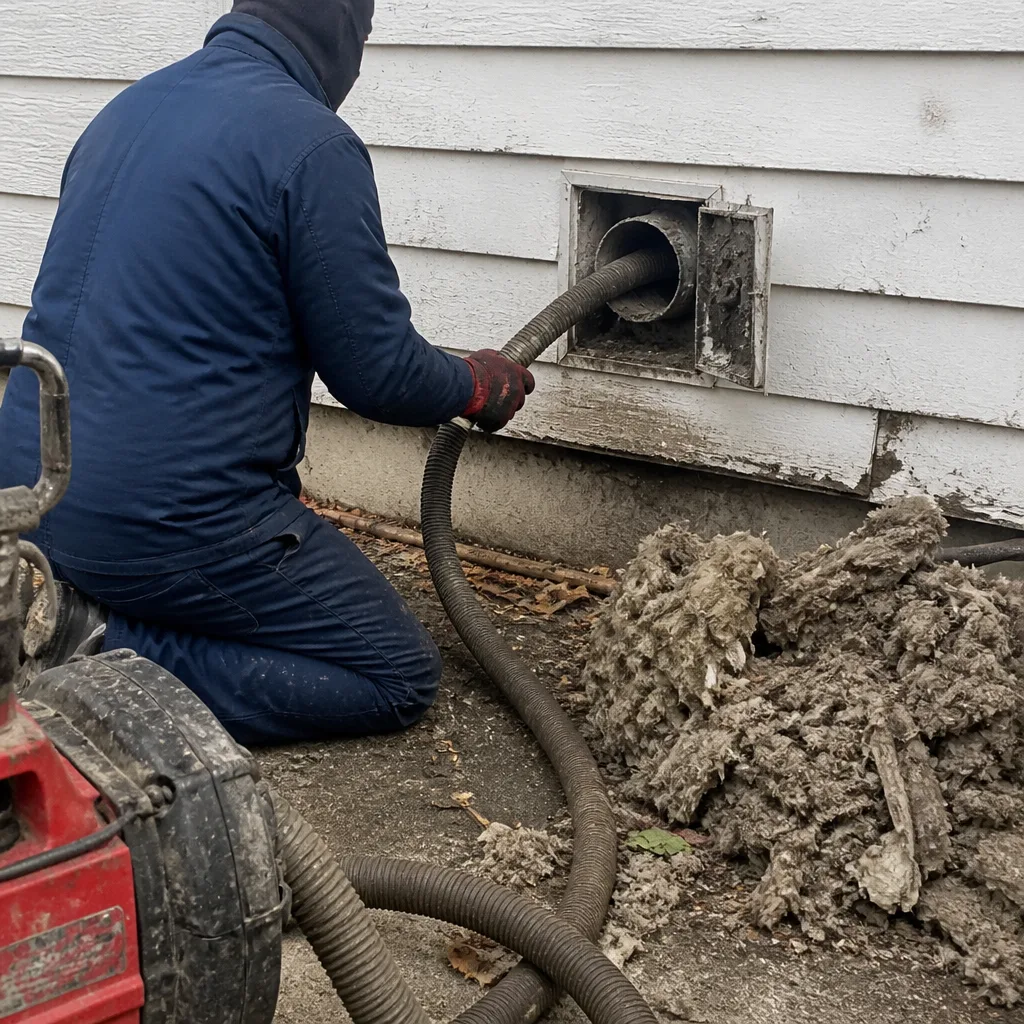 Before
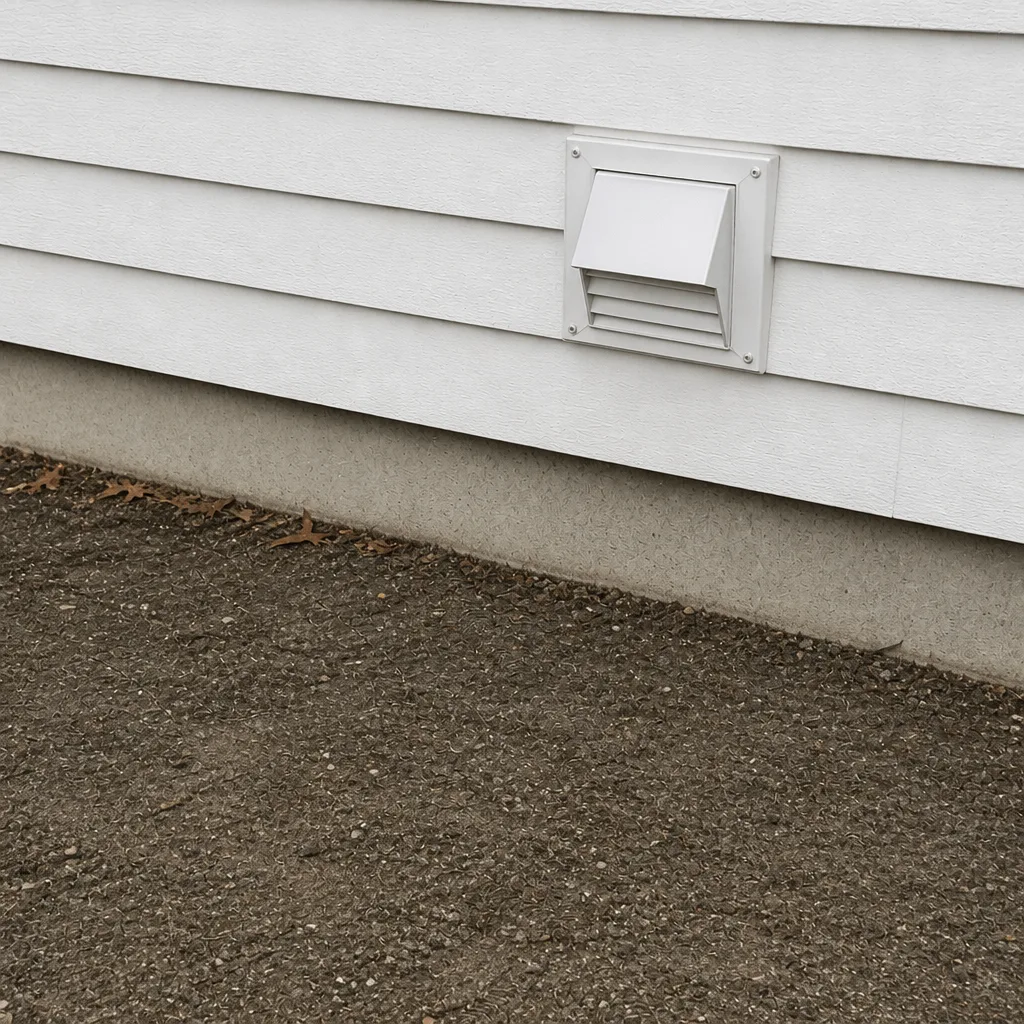 After
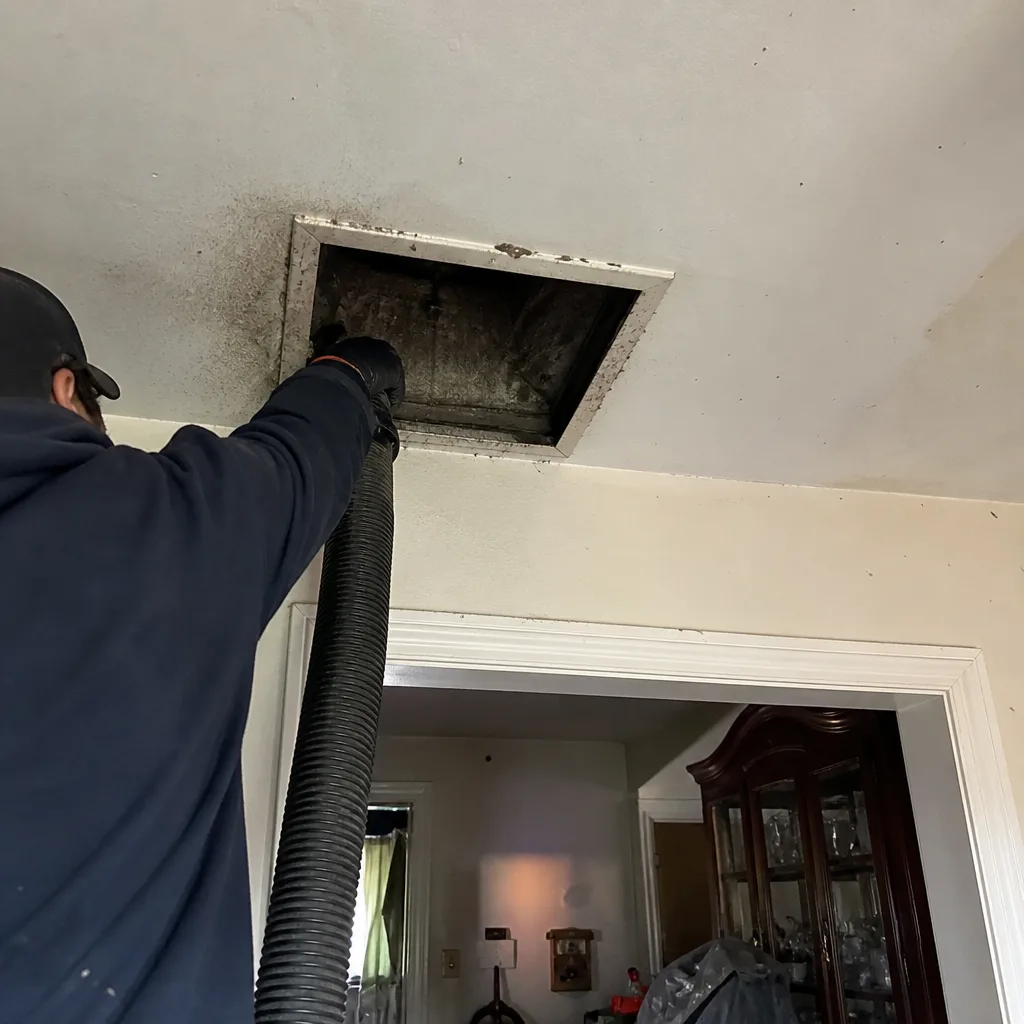 Before
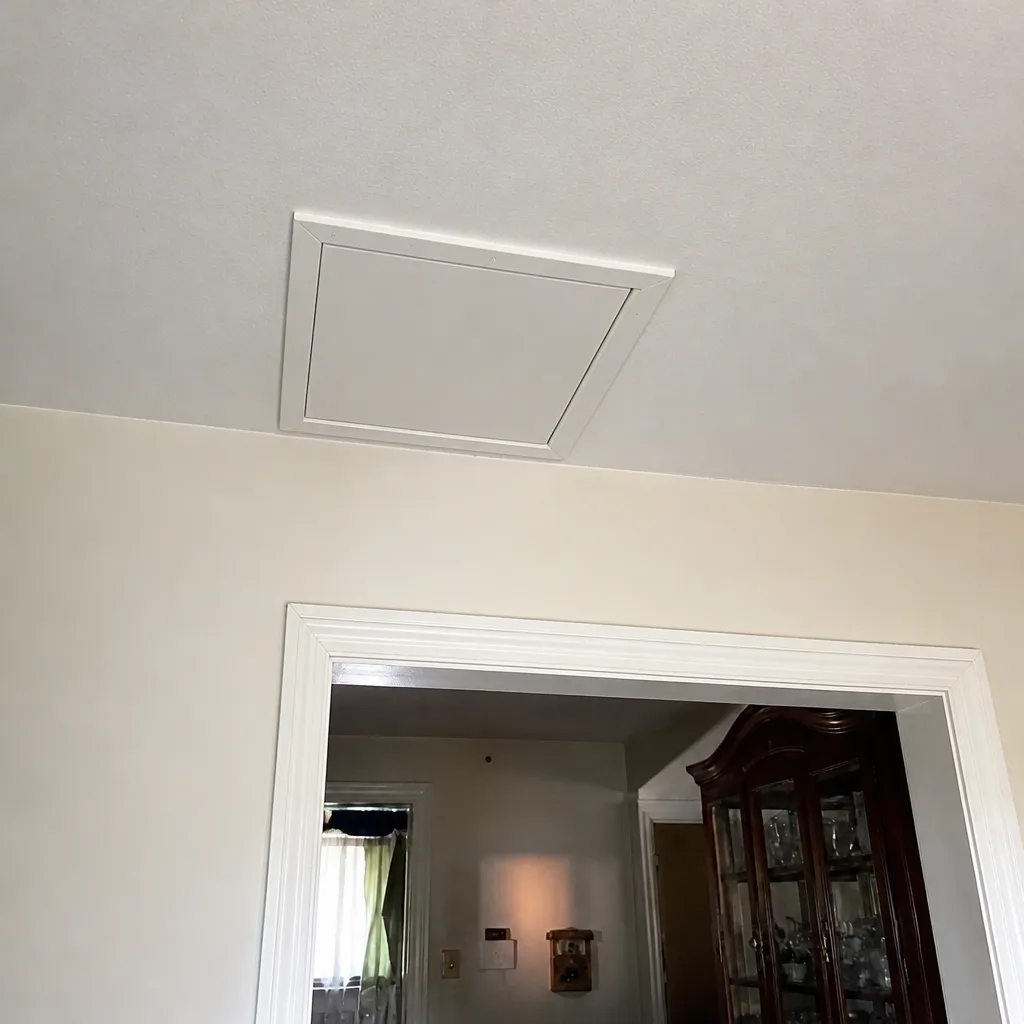 After
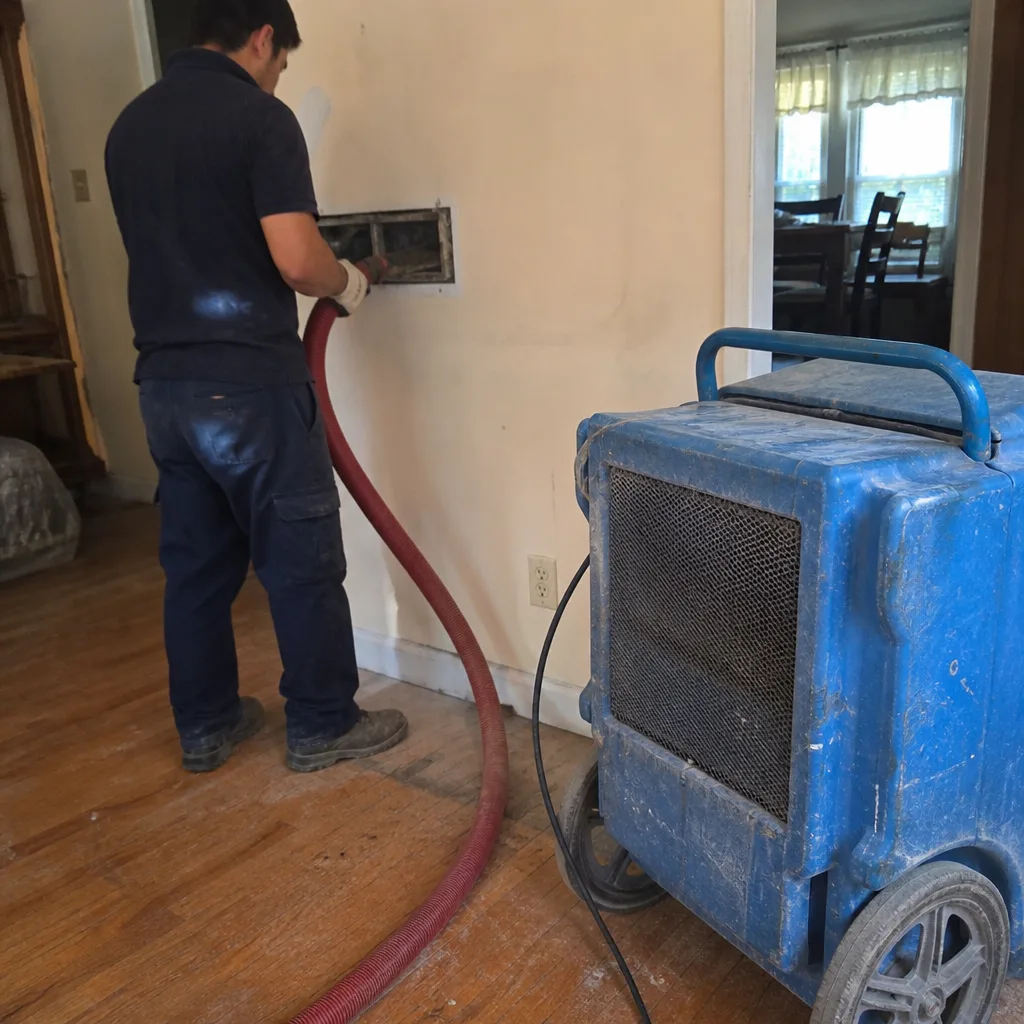 Before
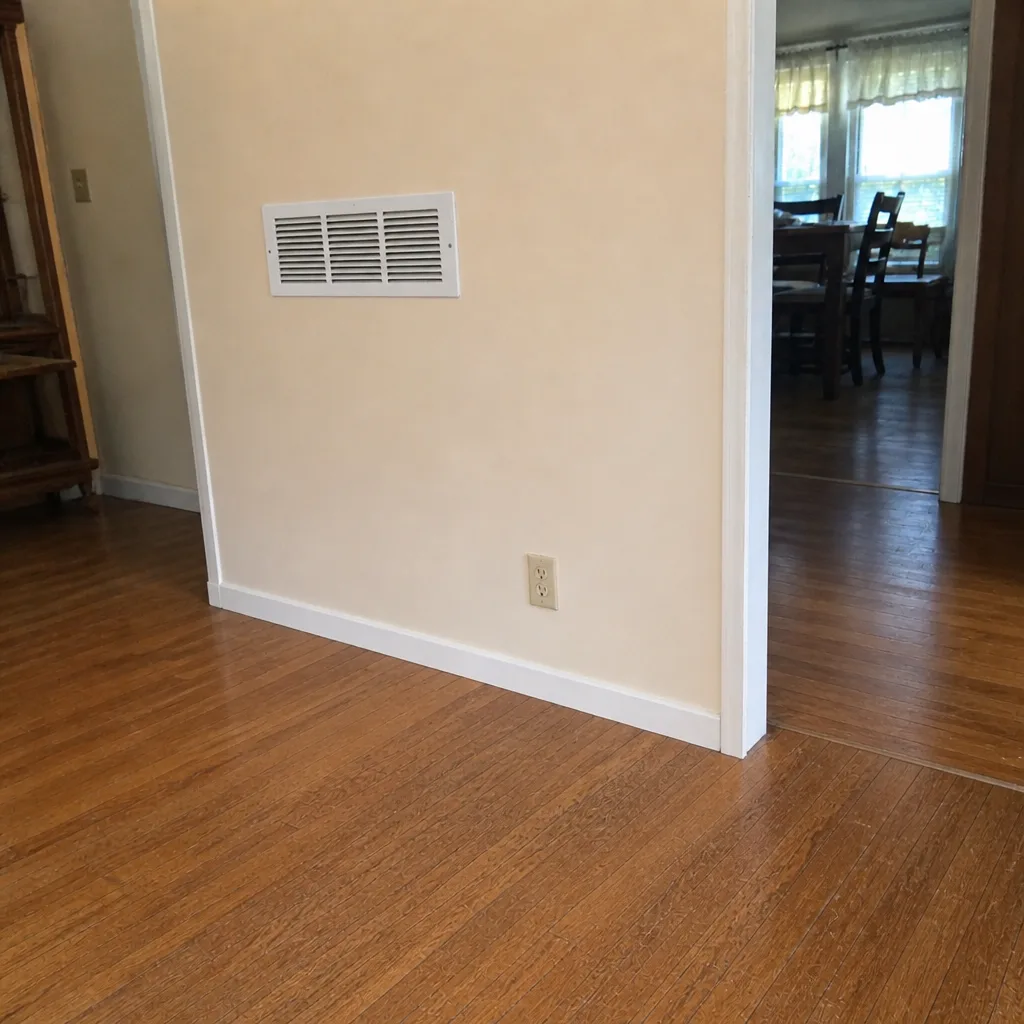 After
When to Call a Professional
Call a professional in Canarsie when you can’t identify your duct material, when there’s visible mold or a musty smell at the registers, when the system hasn’t been cleaned in years and you’re seeing debris at the grilles, when airflow problems suggest a restricted or leaking duct, or when your dryer takes longer than it should to dry a load. Each of those moves past what surface maintenance can address. Air Duct Cleaning Canarsie offers free estimates in Canarsie – call (888) 774-8092. We work with professional-grade Rotobrush and Nikro extraction and brushing systems, and we hold one flat price per system agreed before work starts. We answer 24/7, with fast dispatch from 7am to 7pm, Sunday through Friday, and we’re closed Saturday. A written estimate sets the final price, and you’ll have before-and-after photos of your own ducts when the job is done.
Frequently Asked Questions
You can clean grilles, the first stretch of each supply register, and you can vacuum visible surfaces, but a shop vac cannot remove debris from the full duct run. That requires negative-air extraction and rotary brush agitation running together, which consumer equipment can’t produce. DIY cleaning is maintenance, not source removal.
We price per system, and the written estimate sets the final price, so the exact number depends on your home’s layout, duct size, and what the job includes. What we won’t do is quote a per-vent figure that grows once the technician is on site. Call (888) 774-8092 for an exact quote, which is free.
It’s enough for surface maintenance between professional cleanings: grille washing, filter upgrades, and vacuuming register boots. It isn’t enough when the ducts haven’t been cleaned in years, when debris is visible at registers, when there’s a musty smell, or when the home is older and the duct material hasn’t been inspected.
A low quote usually reflects a job that leaves out the return side, the trunk line, or the extraction equipment needed to actually remove debris. Some quotes are priced as teasers and grow once the technician is on site. Compare what’s included, ask whether negative-air extraction and rotary brushing are used, and ask for before-and-after photos.
Yes, when loosened debris isn’t extracted. Brushing a duct without negative pressure to capture what comes loose pushes that material back into the room or deeper into the system. Dislodging a flex connection or disturbing older duct material compound the problem further. If debris blows out of a register while you work, stop.
Ask for before-and-after photos of your own ducts – not stock images. The photos should show the interior of the runs before cleaning and after, and they should correspond to your system. Call (888) 774-8092 for a free estimate and to see the process.
The Bottom Line
The DIY versus professional question for Canarsie homeowners comes down to equipment, not effort. Surface maintenance – clean grilles, clean boots, good filters – is worth doing, and a shop vac is the right tool for it. Source removal is a different category: negative-air extraction and rotary brush agitation running together, holding the duct system under pressure while debris leaves the system. Everything between that threshold and the DIY ceiling is a gap no consumer tool closes. If your ducts haven’t been cleaned in years, if there’s visible mold or odor, if the home is older, or if your access won’t reach the trunk, professional cleaning is the answer. Call (888) 774-8092 for a free estimate. We answer 24/7.
Written by the team at Air Duct Cleaning Canarsie.