
Last updated November 22, 2026
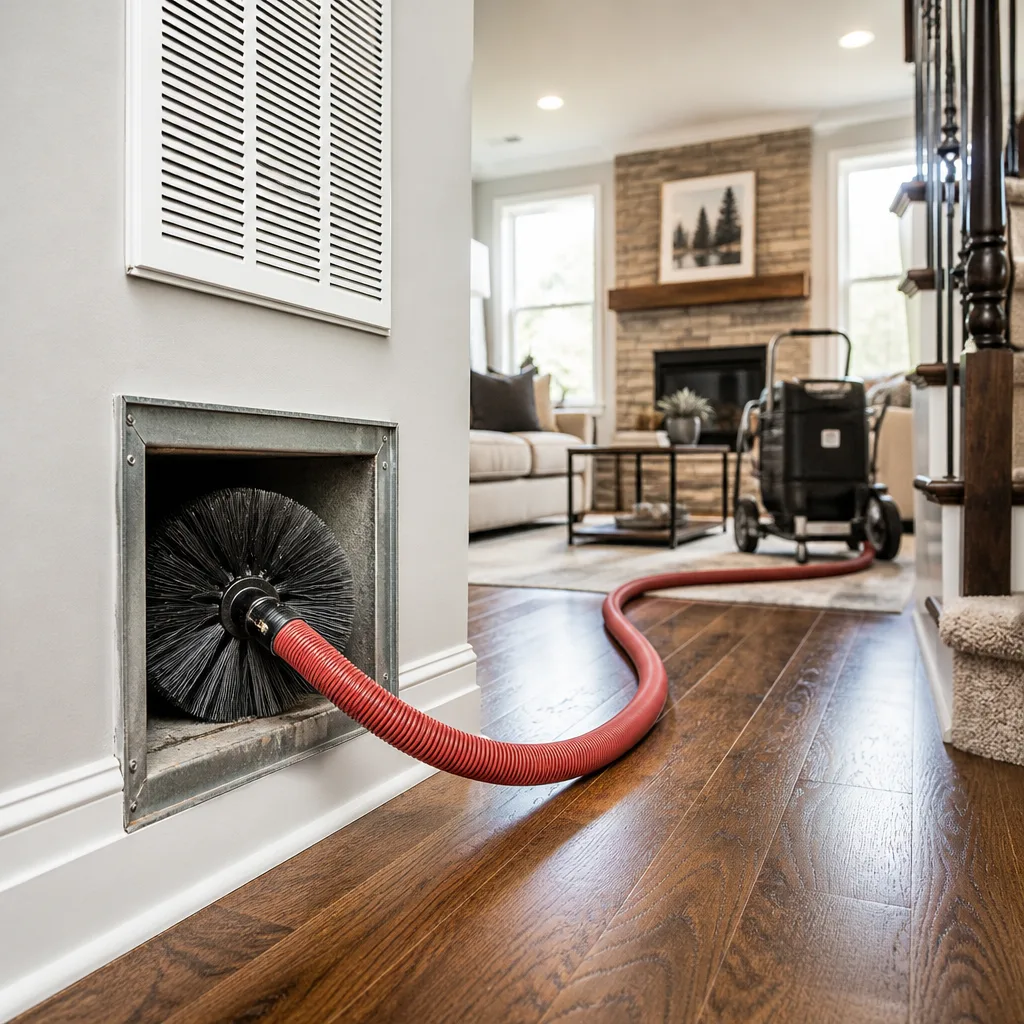 Whole-home duct cleaning
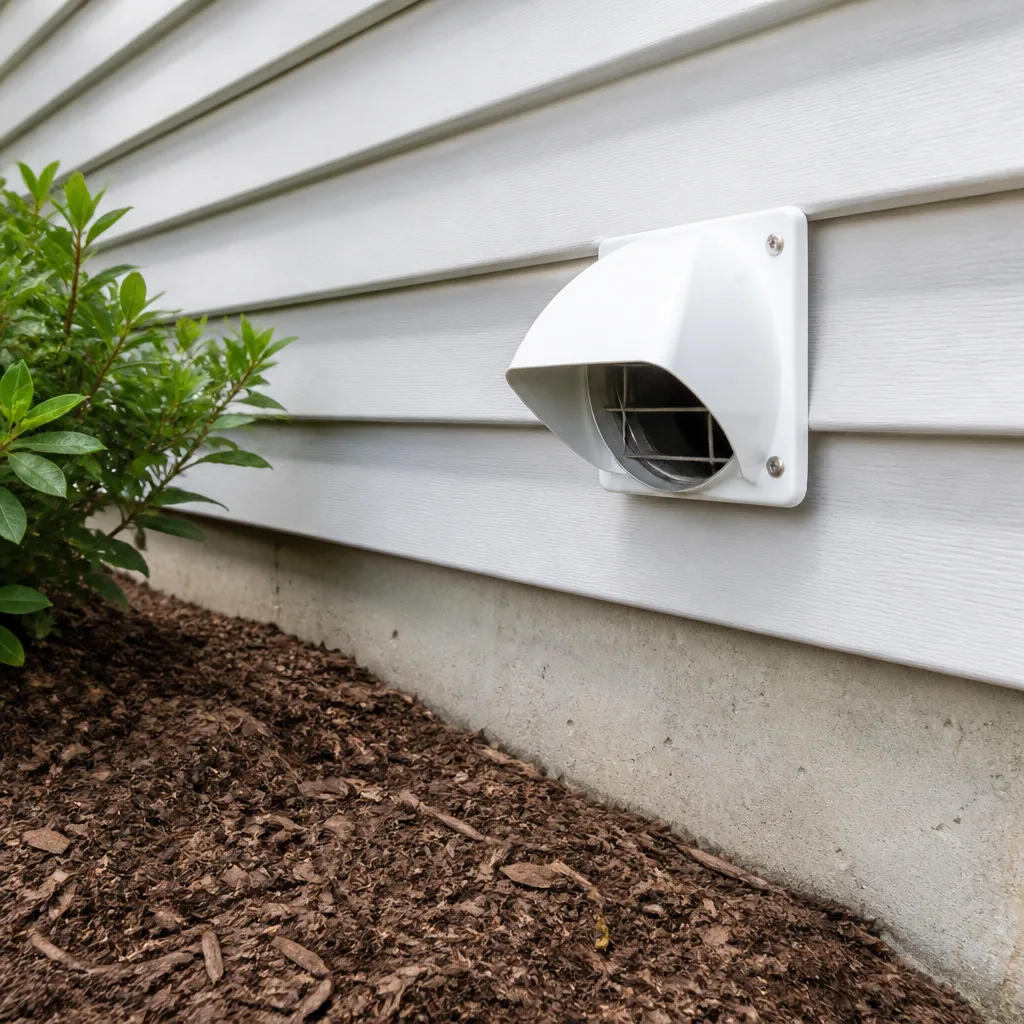 Dryer vent cleaning
 Camera inspection
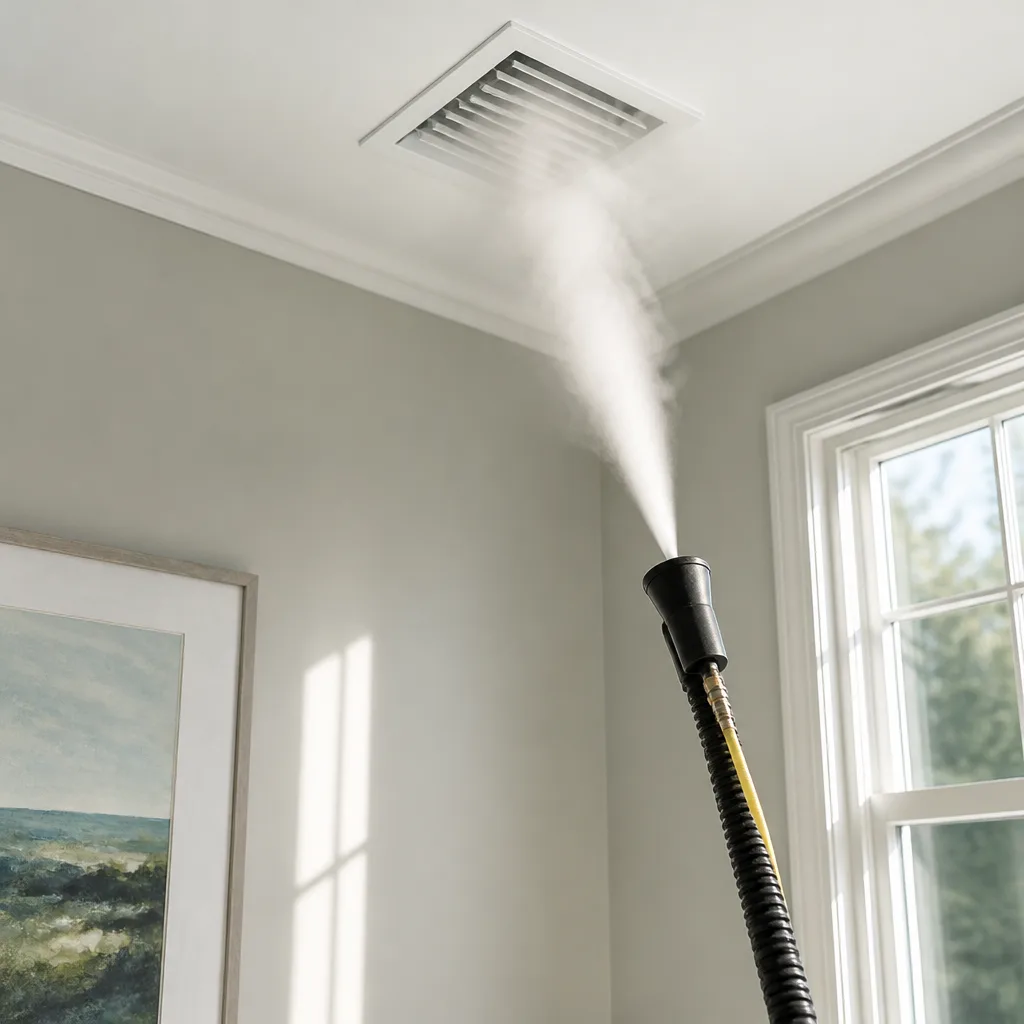 Sanitizing & deodorizing
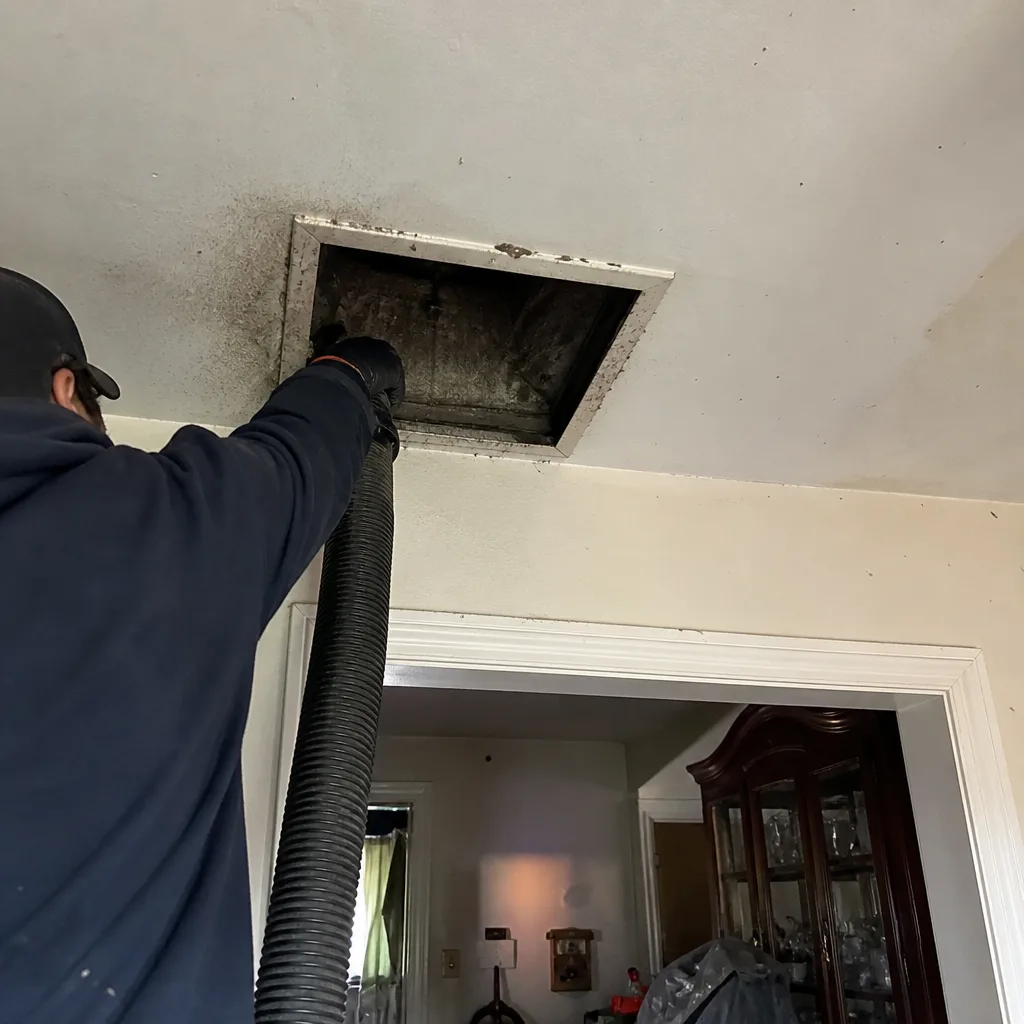
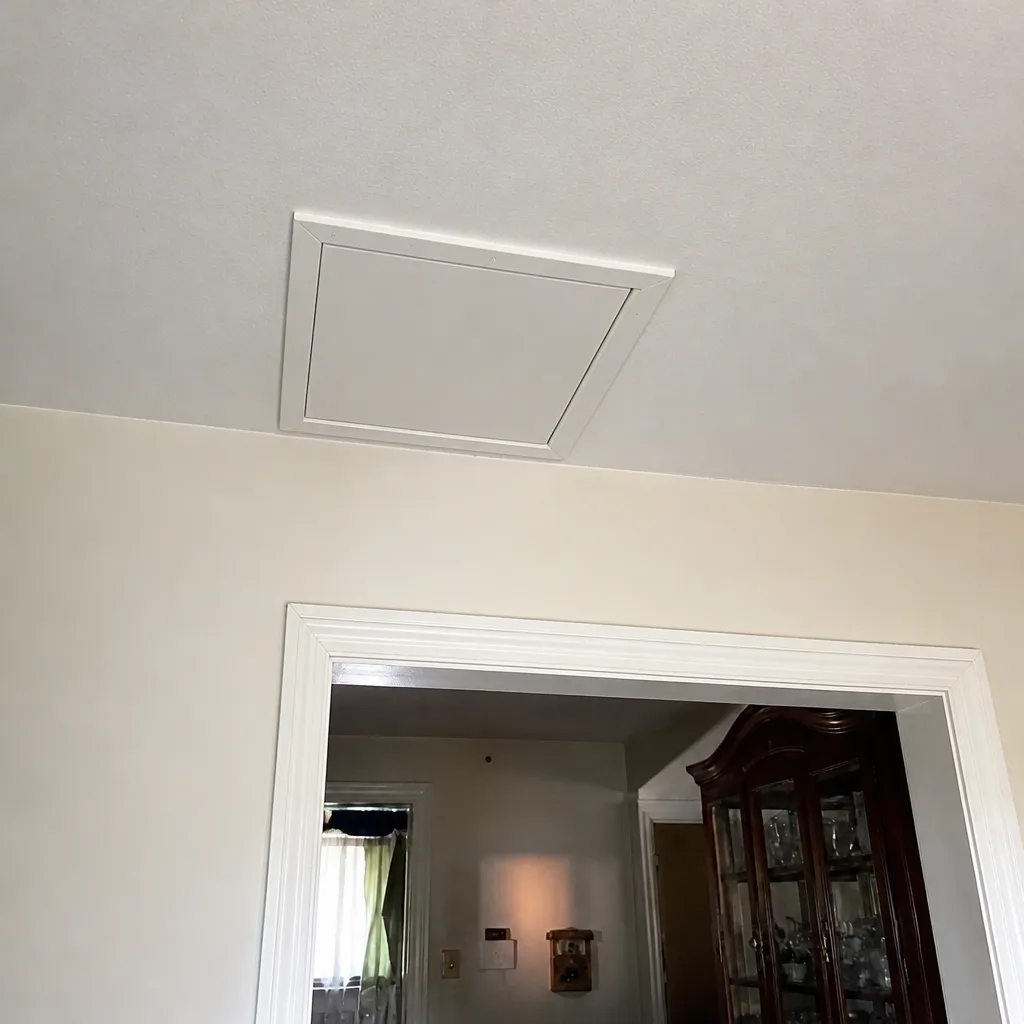
Whole-system duct and dryer vent check with before-and-after photos - you see exactly what came out of your vents
That "$99 whole-house special" is a bait ad - the real number appears once they are in your hallway, or the "clean" is a shop-vac at the register. We photograph the inside of your ducts before and after instead.
Seasonal Air Duct Cleaning Care for Canarsie: Year-Round Homeowner’s Guide
Most homeowners in Canarsie think about their ducts once, maybe twice, and always at the worst possible moment: when the heat won’t come up, when a room smells musty, when someone in the house starts sneezing every morning. The truth is less dramatic and more useful. Duct problems in this neighborhood build slowly, season by season, and by the time they become visible they’ve usually been compounding for two or three years. This guide walks you through what each season does to your duct system, what to inspect and when, and how to keep a rolling log that turns guesswork into a clear pattern a contractor can actually read.
Quick Answer
Air ducts in Canarsie need attention at four distinct points in the year: after spring pollen season, during the humid summer stretch when condensation forms at supply boots, at the fall heating startup, and through winter when ice damming on low-slope roofs can push moisture into return pathways. There’s no single annual service that covers all four. What works is a light seasonal inspection you do yourself plus one professional cleaning, and any repair or sealing it uncovers, scheduled around the change of seasons rather than in reaction to a failure.
Styles & brands we work with
- Whole-home duct cleaning
- Dryer vent cleaning
- Camera inspection
- Sanitizing & deodorizing
Table of Contents
- Why Seasonal Care Beats a Once-a-Year Cleaning
- Spring in Canarsie: Pollen, Plenums, and the Moisture You Can’t See
- Summer: Condensation, Boots, and Flex Duct Connections
- Fall: The Pre-Heating-Season Startup Inspection
- Winter: Ice Damming, Flat Roofs, and Return Air Moisture
- Building a Rolling 12-Month Duct Log
- The Dryer Vent Belongs in the Seasonal Calendar Too
- When Sanitizing Makes Sense and When It Doesn’t
Why Seasonal Care Beats a Once-a-Year Cleaning
The single most common cause of mold inside a Canarsie duct system isn’t one dramatic event. It’s the moisture left behind by summer after summer of AC condensation that was never fully addressed, sitting quietly through the heating season and finally showing up as a smell or a stain in the fall. One cleaning a year can’t catch that, because the problem isn’t the dust. It’s the water, and water moves on a different clock than dust does.
Canarsie sits close to the Jamaica Bay wetlands, which shapes the local climate in ways that matter to a duct system. Spring here carries a heavy pollen load that gets pulled into return ducts along with the fine grit that comes with it. Summer is humid enough that condensation forms on cold surfaces, and supply boots and flex duct connections are the coldest surfaces in the system. Fall brings the first heating cycle, which lifts settled debris off duct walls and pushes it into the air. Winter brings freeze-thaw cycles that work on roof edges and gutters, and any moisture that gets into the building envelope has a path into return air.
Treating all four seasons the same way is how a small moisture issue becomes a sealed-in problem. Different months demand different responses, and most of what we recommend is work you can do with a flashlight, a phone camera, and ten minutes.
The four seasonal stress points at a glance
- Spring: pollen and grit loading in returns; check supply plenum for standing moisture left from last summer.
- Summer: condensation at supply boots and flex connections; this is the season that creates next fall’s mold problem.
- Fall: heating startup lifts debris; inspect before the first run, not after.
- Winter: ice damming on flat and low-slope roofs; moisture finds its way into return pathways.
The point of the seasonal calendar isn’t to add work. It’s to move work to the moment it’s cheap and stop paying for it later when it’s not. For the cleaning itself, the backbone of the calendar is a proper air duct cleaning pass on a whole system rather than spot work on one branch.
Spring in Canarsie: Pollen, Plenums, and the Moisture You Can’t See
Spring is when the pollen from the Jamaica Bay corridor starts loading your return ducts, and it’s also the season when last summer’s moisture problems reveal themselves. Both matter, but they don’t get fixed the same way. Pollen is a cleaning problem. Standing water in a supply plenum is a repair problem, and it will keep coming back until the source is sealed.
What to look for after the pollen season ends
- Return grille dust load. Pull the return grilles and look at the filter face. A heavy, even loading across the whole surface is normal for spring. Patchy loading, or dust concentrated around the edges, suggests air is bypassing the filter.
- Visible debris at the supply registers. Shine a light into the supply boots. A light film is fine. Clumps, matted dust, or anything that looks like it was once wet is a signal.
- Smell at startup. Run the fan for a couple of minutes after a week off. A faint dusty smell is normal. A musty or sour smell points to moisture somewhere in the system.
- Filter change interval. Spring is when filters load fastest in Canarsie. Check monthly through the pollen peak rather than waiting for the calendar.
Assessing the supply plenum for leftover moisture
The supply plenum is the box sitting on top of the air handler where the main trunk connects. It’s out of sight and easy to forget, which is exactly why moisture finds a home there. With the system off, look for water staining on the outside of the plenum, rust at the seams, or condensation on the metal. Inside, look for standing water at the bottom or a dark line where water has been sitting.
If you find any of this, don’t spray anything into it. Water in a plenum means a drainage or air-sealing problem upstream, and covering it with a sanitizer hides the cause. That’s a conversation with a contractor. In our experience, the homes that call us in the spring with a musty smell are almost always reporting the end result of a condensation issue that started the previous July.
A short spring checklist
- Replace filters at the start of pollen season and check monthly through it.
- Photograph each return grille and supply boot with your phone; date the photos.
- Run the fan briefly after a long gap and note any smell.
- Look at the plenum and air handler cabinet for staining or rust.
- Schedule any professional cleaning after pollen season rather than in the middle of it.
Summer: Condensation, Boots, and Flex Duct Connections
Summer is when Canarsie duct systems quietly accumulate the moisture that defines next spring’s problems. Humid air plus a cold duct surface equals condensation, and the two coldest surfaces in a residential system are the supply boots where air enters a room and the flex duct connections where the trunk meets a branch. This is the season where a small, cheap fix is still small and cheap.
Where condensation shows up first
Supply boots sit at the end of every duct run, usually inside a wall or ceiling cavity. During a humid stretch, the metal boot surface drops close to the supply air temperature, and the moisture in the room air condenses on it. If the boot is insulated properly, that condensation stays on the outside and dries. If the insulation is torn, missing at the edges, or was never installed correctly, moisture soaks into the surrounding drywall or framing.
Flex duct connections are the second spot. Flex duct has an outer vapor barrier and an inner liner, and the connection point is where the two most often get separated or pinched. A pinched connection at the collar is a small leak that drips condensation into the cavity behind it. That cavity stays wet for the rest of the summer.
How to monitor without opening walls
- Look for water stains at ceiling or wall edges near registers. A faint water ring or a slightly soft spot in the drywall around a register is the earliest visible sign.
- Feel for cold spots. With the AC running, run a hand along the wall or ceiling a few inches away from the register. A noticeably cold patch suggests a boot that’s bleeding cold air and condensing.
- Check the air handler cabinet for drips. Water at the base of the cabinet means a drainage problem, not just condensation.
- Watch the drain pan and condensate line. A slow-draining line is the most common cause of high humidity inside a system. Keep it clear.
- Note humidity in the rooms. A room that stays sticky while others don’t is often a duct or return problem, not an AC problem.
When condensation crosses into a professional call
Condensation alone isn’t a reason to call. Condensation that’s staining drywall, leaving a musty smell, or staying wet for more than a few days is. Once moisture has been present for a week in a warm duct cavity, the conditions for mold growth are in place. That’s the point where cleaning alone won’t solve it. The path has to be identified, sealed, and only then cleaned. Duct repair and sealing is work we handle alongside cleaning so you’re not sourcing a second contractor after the leak is found.
Summer is also a reasonable time to look at the AC side of the system, which is why a proper HVAC cleaning visit fits into the calendar here. Cleaning the coil and cabinet at the same time as the ducts prevents the two from re-contaminating each other.
Fall: The Pre-Heating-Season Startup Inspection
Fall is when the heating season starts, and it’s also when every bit of debris that settled on duct walls over the summer gets lifted into the air. The inspection should happen before the first furnace run, not after. Once the heat is on, any smell or dust issue gets blamed on the furnace, and the actual source, which is the ductwork, gets missed.
What should be checked before the furnace runs
- Filters. Replace or clean at the changeover. A filter loaded with summer dust will be over its pressure limit the first time the fan runs at heating speed.
- Return grilles and supply registers. Remove, clean, and inspect the ducts behind them with a light.
- Air handler cabinet. Check for debris, standing water from summer, and any sign the cabinet was left open during seasonal maintenance.
- Supply plenum and main trunk. Look for loose joints, tape that’s lifted, or a gap at a connection that wasn’t visible when the system was off.
- Flex duct runs. Follow each one as far as you can see it. A flex duct that’s sagging, kinked, or visibly detached at a collar is a problem that will show up as a cold room in winter.
- Drain pan and condensate line. Clear before heating season so the next cooling season starts clean.
- A test run. Brief run of the fan only, before the burner, so any loose debris gets lifted and can be noted without the burn-off smell confusing the picture.
Why this matters more in Canarsie than in newer construction
A large share of Canarsie’s housing stock has been through at least one retrofit or addition, and both tend to leave ductwork in a state that the original design never anticipated. Branches added into a trunk, a return extended into a converted room, or an air handler moved to make room for storage. Every one of those changes creates a joint and a seam. Fall is the season those seams announce themselves, usually as a whistling register or a room that never heats evenly.
Any cleaning done before the heating season gives you a clean baseline: any dust or smell that appears afterward is from a specific cause, not a leftover. Our technicians work with Rotobrush and Nikro platforms because they’re purpose-built for this work, and the results hold up through the heating season rather than degrading within a few weeks. If your system was installed with Honeywell or Aprilaire controls or filtration, the equipment we use is compatible with those configurations and won’t void equipment compatibility.
Winter: Ice Damming, Flat Roofs, and Return Air Moisture
Winter is the season when moisture gets into a Canarsie home from above rather than from the system itself. Ice damming at the roof edge is common on flat and low-slope rooflines, and any water that gets past the roof or into an exterior wall eventually finds a path to the return air. That’s why winter is the season to watch the inside of registers rather than the outside of the roof.
How ice damming reaches a return pathway
Warm air from the heated house rises. On a flat or low-slope roof, snow melts on the warm area and refreezes at the colder edge. The refrozen ice blocks the drainage path, and meltwater backs up behind it. That water can enter at a roof penetration, at a parapet edge, or through a gap where an addition joins the main roof. Once inside the envelope, it follows framing and vapor barriers. Return ducts that run through an exterior wall or ceiling cavity are a direct path into the system.
Early signs inside registers
- Water staining at a ceiling register, especially one near an exterior wall.
- Damp, cold air coming from a return when the rest of the room feels dry.
- A smell that appears only during thaw periods and disappears when it’s cold again.
- Lifted or bubbled paint near a register, a classic sign of moisture on the drywall behind it.
- Frost on a duct surface that shouldn’t be cold, indicating an air leak at that seam.
What to do when you see these signs
Photograph and date them. Don’t seal or paint over the stain, and don’t run a sanitizer into the duct until the source is confirmed sealed. Winter moisture issues are a multi-step fix: the roof path has to be identified, the wall or ceiling cavity dried, and the duct then checked for mold growth before cleaning. In our experience, a winter call that begins as a “strange smell” is almost always traceable to a thaw pattern that started weeks earlier. If your home has an Aprilaire or Honeywell system with filtration, the filter media needs to be checked for moisture at the same time; wet media is a mold reservoir.
Building a Rolling 12-Month Duct Log
A single visit gives a contractor a snapshot. A rolling log gives them a pattern, and the pattern is usually where the answer is. The goal is a simple record any homeowner can maintain with a phone and a notes app, and it should cover all four seasons continuously rather than starting over every January.
What goes into the log
- Date and season. Note the date and which seasonal point it falls in.
- What you checked. Filter, return grilles, supply boots, plenum, air handler cabinet, any smells.
- Photographs. One per check point, dated. The camera roll is the log.
- Filter change dates. Simple but essential. A contractor can tell a lot from how often filters actually get changed.
- Smells and when they appeared. First heating run? First humid day? After a thaw? The timing narrows the cause fast.
- Room-specific complaints. “The back bedroom never heats evenly” is more useful than “the house feels cold”.
- Contractor notes. Anything a previous contractor found, recommended, or fixed, dated.
How a contractor reads it
Reading a log is about cross-referencing seasons. A smell that appears only in July points to summer condensation. A stain that grows through March and dries in April points to ice damming. A room-specific complaint that appears in fall and disappears in spring points to an airflow balance problem that’s only obvious under heating load. None of those answers show up clearly from a one-time inspection. They show up from a pattern that runs across twelve months.
Review points in the rolling year
- March: review the previous summer’s log entries and note any moisture issues that need to be confirmed before the next cooling season.
- June: check that condensation monitoring from last July is showing the same or fewer issues.
- September: pre-heating inspection, logged before the first furnace run.
- December: confirm winter register checks are happening and note any thaw-related entries.
The log also makes the case for the next service call cleaner. When the technician arrives, they know what the homeowner has already seen, what changed, and where to look. That’s the difference between a cleaning and a diagnosis.
The Dryer Vent Belongs in the Seasonal Calendar Too
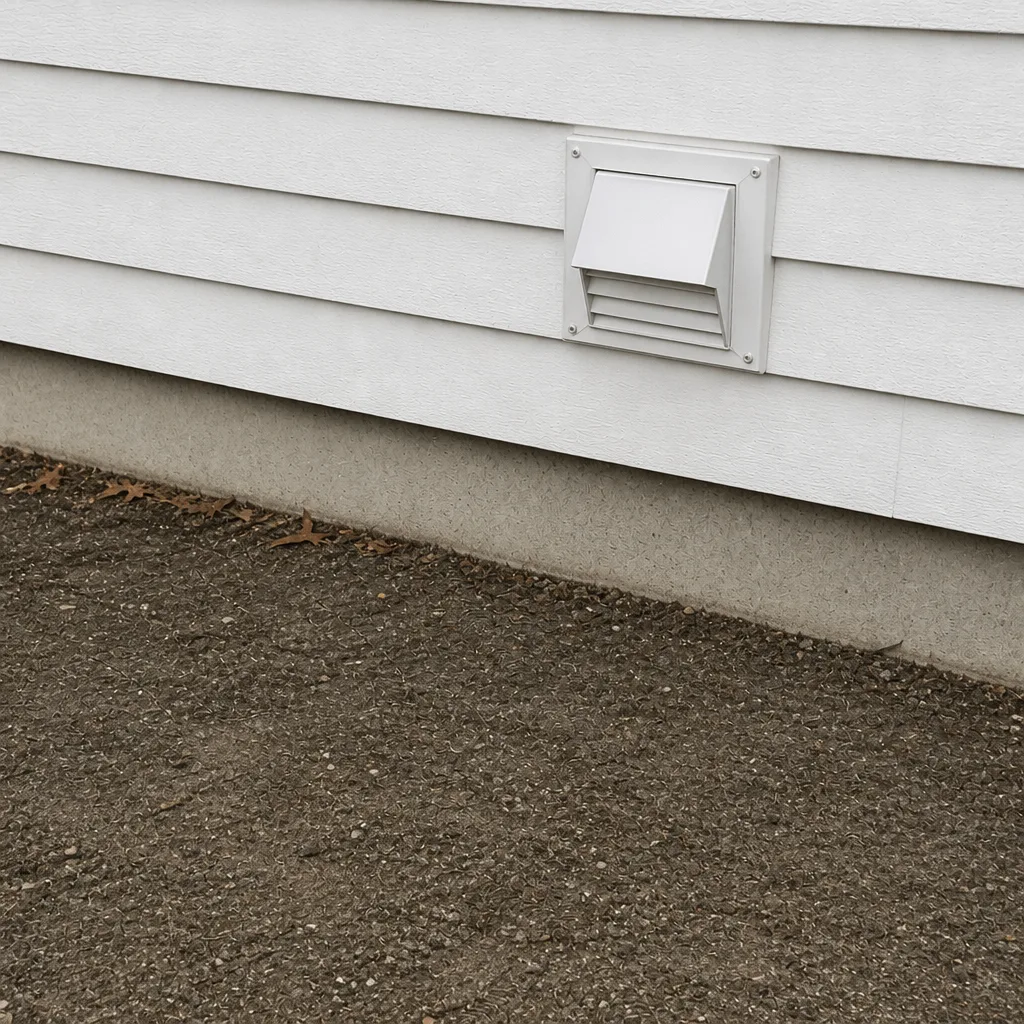
The dryer vent isn’t part of the heating or cooling system, but it’s part of the air pathway in the home, and it fails on its own seasonal clock. Lint loading builds fastest in winter, when heavy laundry cycles stack up, and it’s the one part of the whole air pathway that’s a genuine fire risk if left alone. Most duct-only operators skip it entirely. We include it as a named service because leaving it out of a whole-system cleaning is a false economy.
What to check each season
- Spring: clean the lint trap assembly, inspect the exterior vent flap for proper operation.
- Summer: check the vent run for kinks or crushed flex behind the dryer.
- Fall: the most important check. Look for lint accumulation at the exterior termination and any sign the flap is stuck open.
- Winter: confirm the run still dries a full load in one cycle. Extended dry times are the earliest sign of a restriction.
Any sign of scorching, a hot dryer cabinet, or a burning smell means stop using the dryer until the vent is inspected. That’s not a cleaning issue, that’s a safety stop. For seasonal work on this part of the house, dryer vent cleaning is best done as part of the same visit as the rest of the system, so nothing is left half-completed. If you’d rather see the whole scope before booking, the air duct cleaning Canarsie overview lays out every service category together.
When Sanitizing Makes Sense and When It Doesn’t
Sanitizing is the service most often sold badly, and the reason is simple: it can’t fix a problem that isn’t sanitizing. A spray applied to a dirty duct does nothing useful. A spray applied to a moldy duct that still has a moisture source will be undone within weeks. Where sanitizing earns its place is after a confirmed cleaning and any needed repair, applied to a system that’s already dry and sealed.
The right order of work
- Identify and fix the source. Condensation, roof moisture, or a leaking joint. Sealing work comes before any treatment.
- Clean the full air pathway. Supply, return, air handler, coil cabinet, and dryer vent if it’s part of the scope.
- Confirm the system is dry. No treatment goes on wet surfaces. This is the step that most shortcuts skip.
- Apply the treatment. Abatement Technologies equipment is used for the air-quality and sanitizing work because it comes closer to a commercial-grade standard than a simple spray.
- Verify and log. Before-and-after photos of the ducts themselves, and a dated log entry.
What a good sanitizing answer looks like
If a contractor offers to sanitize before they’ve opened a register, that’s a sales process, not a service. The right sequence starts with what’s actually in the ducts, and if there’s no evidence of moisture, biological growth, or a prior rodent or pest issue, the honest answer is that cleaning is enough. Sanitizing is worth doing when there’s something to sanitize. Protective treatment is a final step in that scope, not a substitute for cleaning.
Common Mistakes to Avoid
- Booking the cleaning in the middle of pollen season. Fresh pollen will get pulled back into clean ducts within weeks. Schedule it after the pollen peak when you want the clean to hold.
- Sanitizing before the moisture source is fixed. A treatment applied to a wet system is a temporary smell fix, and the mold will return once the moisture does.
- Ignoring a single-room complaint. A room that never heats evenly or stays humid while the rest of the house is fine is a duct or return issue, not a thermostat issue.
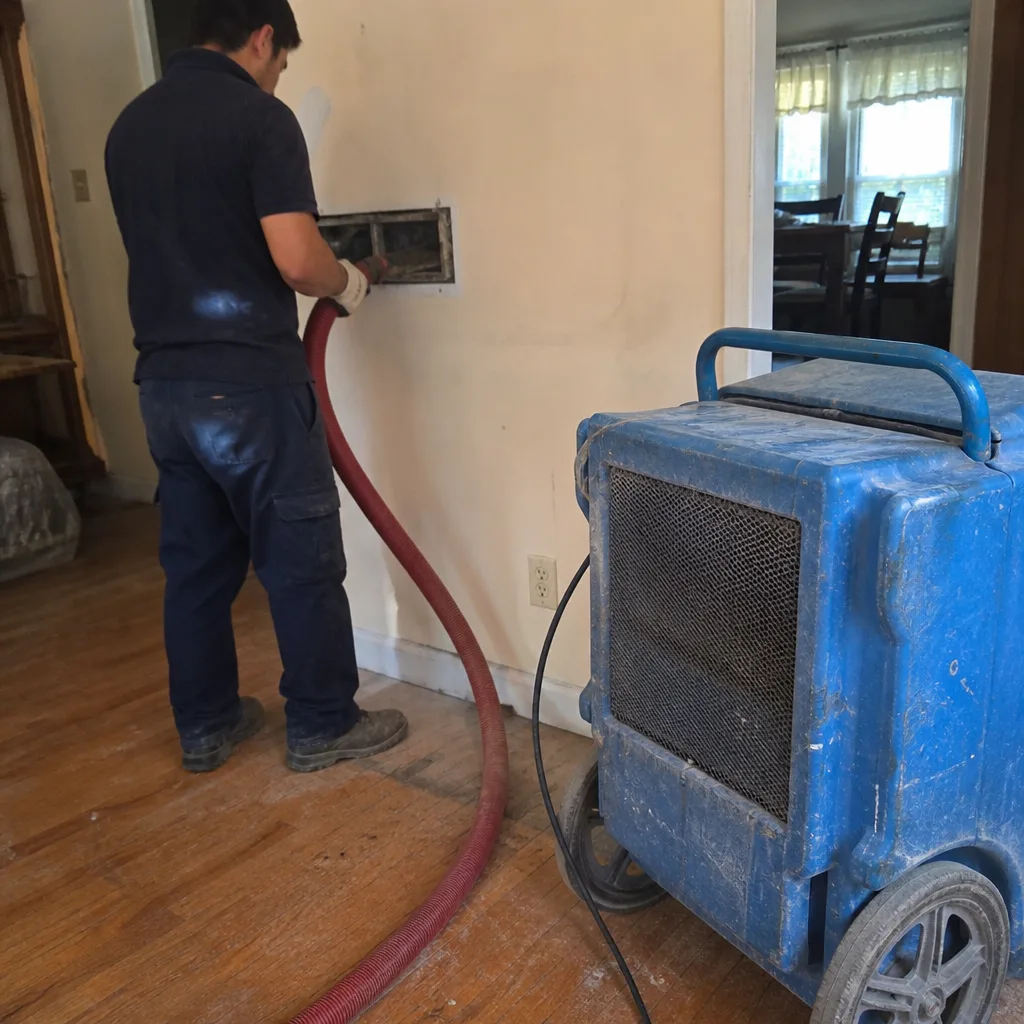
- Using a shop vac or consumer equipment on the ducts. Consumer equipment agitates dust without capturing it, and it can damage flex duct. Rotobrush and Nikro exist for a reason, and they’re not interchangeable with shop vacuums.
- Skipping the pre-heating inspection. Once the furnace runs, the burn-off smell masks the duct smell. Inspect first, run second.
- Assuming a winter smell is a roof problem or a furnace problem. Check the register first. Return air moisture from ice damming is often the real cause on Canarsie’s flat-roof and low-slope homes.
- Skipping the dryer vent because the ducts were cleaned. It’s a different pathway, a different risk, and a different cleaning job.
See the difference
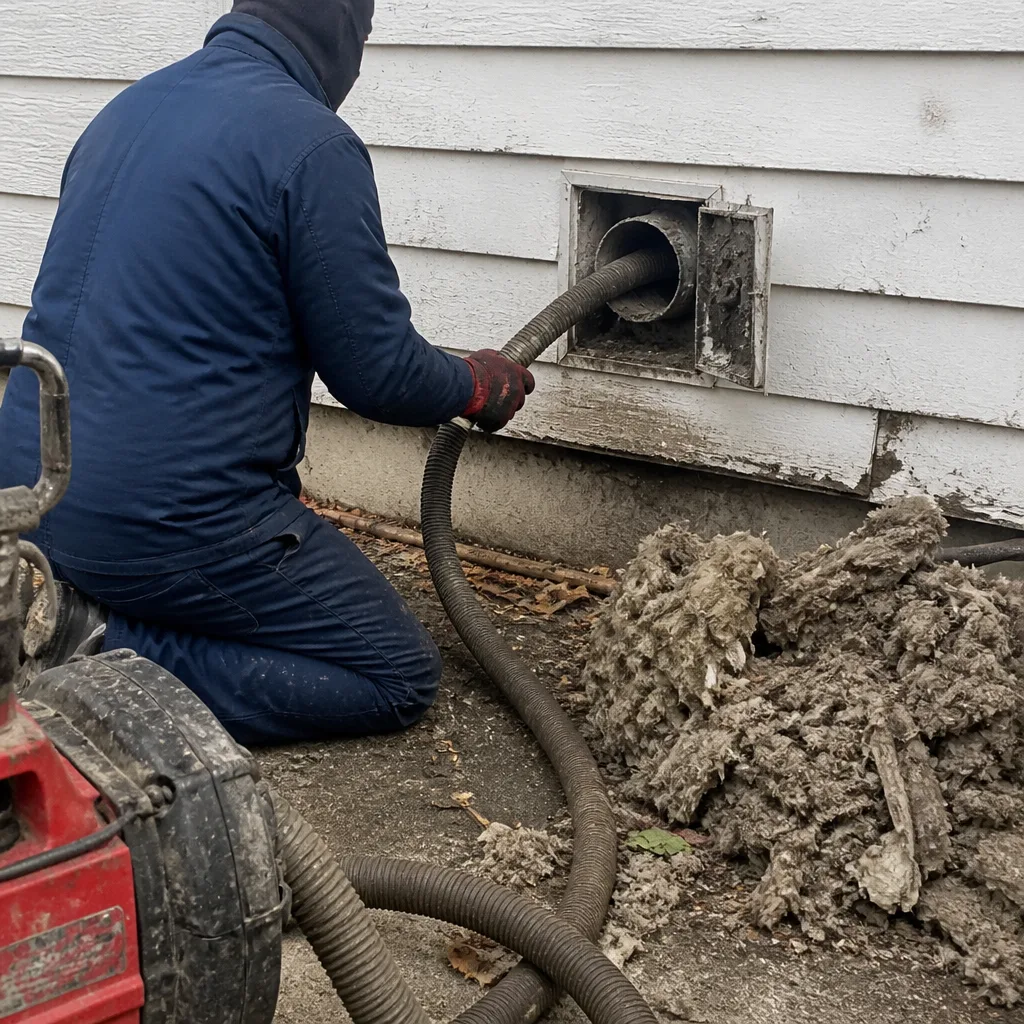 Before
 After
 Before
 After
 Before
 After
When to Call a Professional
Some of what we’ve described is inspection work you can do yourself. The list of things that call for a professional is shorter than the list of things that don’t. Call when you find water staining at a register or plenum, when a smell persists for more than a week or returns after cleaning, when visible mold appears inside a register or on a duct surface, when a room-level airflow complaint doesn’t change after filter replacement, when the dryer takes longer to dry than it used to, or when condensation at a supply boot crosses into wet drywall. Those are all signs of a problem that cleaning alone can’t solve. For the dryer side of the risk, that’s where dryer vent cleaning fits into the same visit.
Air Duct Cleaning Canarsie offers free estimates in Canarsie. Call (888) 774-8092. We answer 24/7. Fast dispatch from 7am to 7pm, Sunday through Friday. The price is set per job by the written estimate, agreed before work begins, and we photograph the ducts before and after so you see exactly what was removed.
Frequently Asked Questions
For most Canarsie homes, a professional whole-system cleaning every two to three years is a reasonable baseline, with the seasonal inspections described above done in between. Homes near the Jamaica Bay wetlands, homes with pets, or homes that have had any moisture event should clean more often. If you’ve had a confirmed mold issue or a rodent problem, clean immediately, then follow the seasonal calendar.
Yes. Return ducts draw room air continuously, and spring pollen in the air around the neighbourhood ends up on the return-side duct surfaces and the filter. The loading shows up most at the return grilles and the filter face. A filter change at the start of pollen season and one more at the peak makes a measurable difference to what reaches the system.
Fall is when the moisture from three months of summer condensation becomes visible as a smell. The conditions that create mold growth are present in a wet duct cavity all summer, but the growth and the smell both take weeks. The first heating run tends to lift that smell into the rooms. If the smell appears in fall, the moisture problem was there in July.
No. Consumer equipment agitates dust and can push it deeper into a branch without capturing it, and a shop vacuum can damage flex duct liner. Professional duct work uses high-volume extraction with a brush system, which is a different tool entirely. Rotobrush and Nikro are built for this work and are the same platforms commercial HVAC contractors specify.
Early signs are usually inside, not outside. Look for water staining at ceiling registers near an exterior wall, damp cold air at a return, a smell that appears only during thaw periods, or lifted paint near a register. Ice damming on flat and low-slope rooflines shows up inside before it shows up outside, which is why the winter register check is worth doing every season.
Yes. Drywall dust, sawdust, and construction debris settle into every duct surface during renovation, and cleaning should happen after the work is finished, not during. Get a cleaning on the calendar once the final coats of paint are dry. Choose a service that photographs the ducts before and after so you can confirm the construction debris was actually removed.
They’re purpose-built for duct work, and that’s the difference. Rotobrush and Nikro use high-volume negative pressure at the collection point and a rotating brush at the duct wall. Abatement Technologies equipment is used in commercial contaminant control, and it’s what elevates our sanitizing work beyond a spray. The equipment matters less than the process, but it’s the reason a professional clean is a different job from a vacuum pass.
The Bottom Line
Canarsie’s duct systems are subject to four distinct seasonal stress points and treating them as one annual event is the mistake that compounds. Spring is a pollen and moisture-assessment season. Summer is the season that creates the mold problem. Fall is the pre-heating inspection. Winter is the season that tests the building envelope and, through it, the return air. Build a rolling log, photograph what you check, clean the full air pathway once on a sensible schedule, and treat repair and sealing as part of the same relationship rather than a separate job. For the whole-system pass and any repair it uncovers, Air Duct Cleaning Canarsie is reachable at (888) 774-8092 for a free estimate. The written estimate sets the price per job, agreed before any work begins.
Written by the team at Air Duct Cleaning Canarsie.