
Last updated November 22, 2026
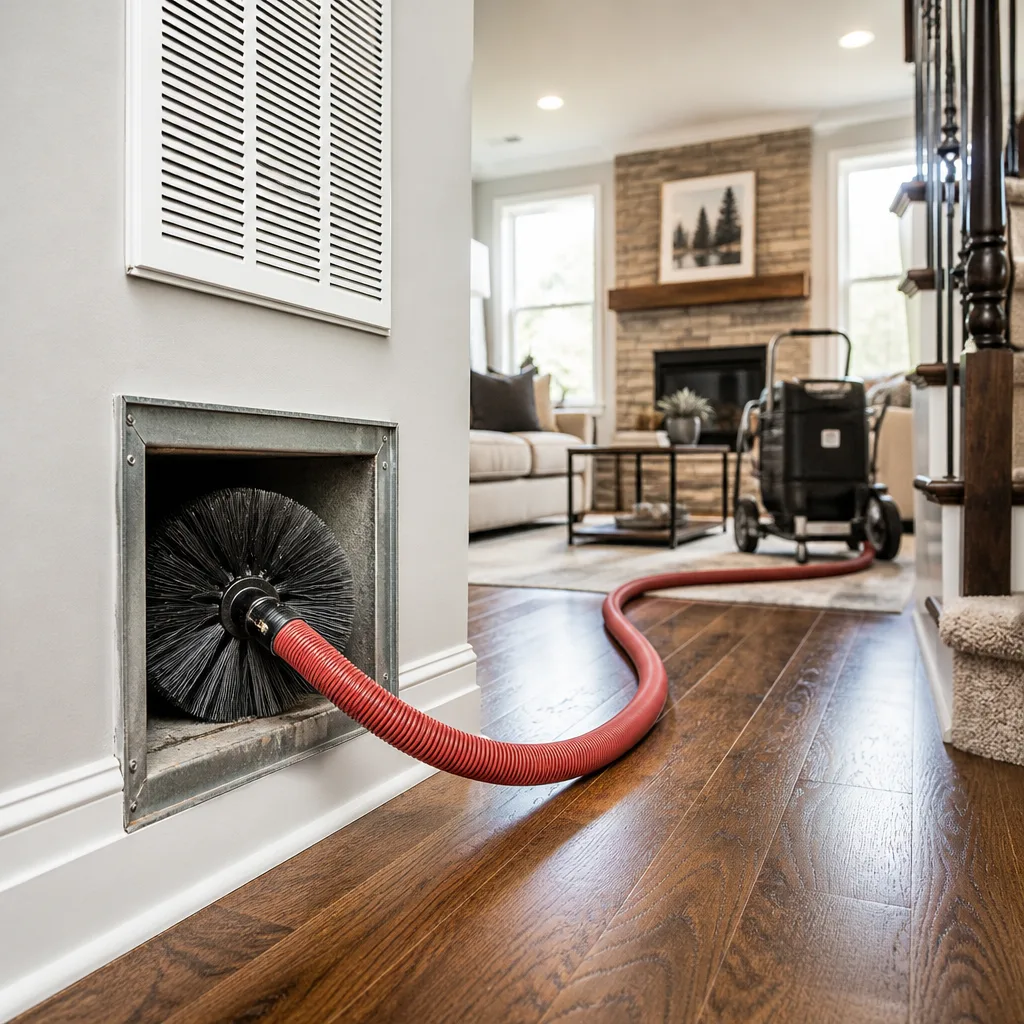 Whole-home duct cleaning
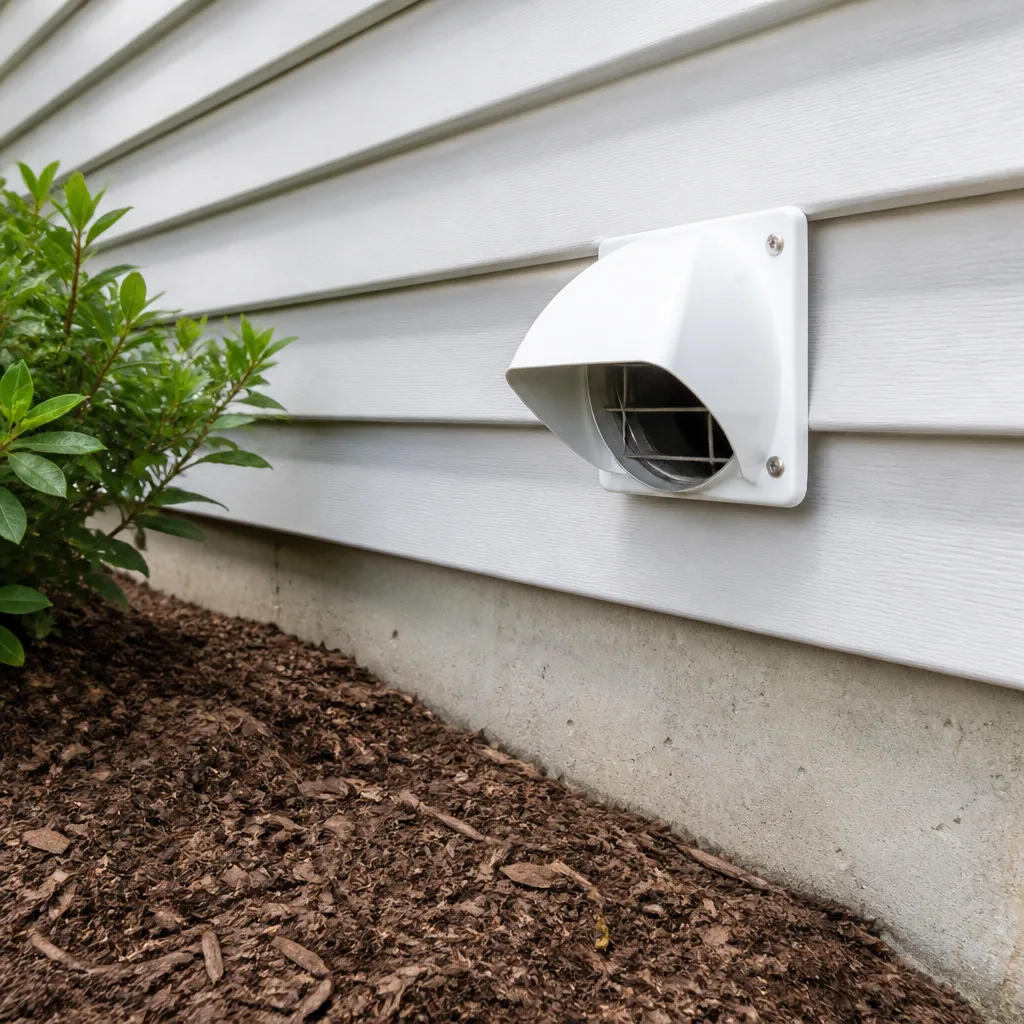 Dryer vent cleaning
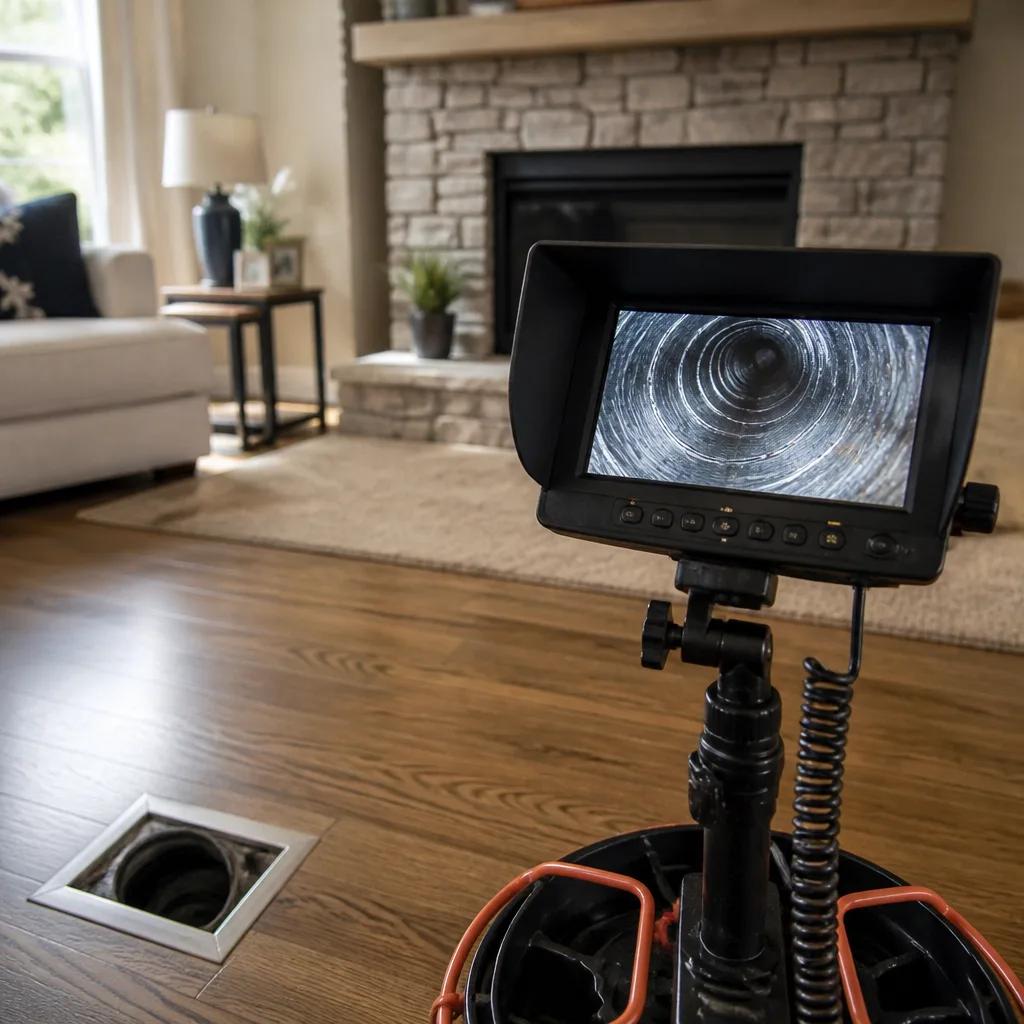 Camera inspection
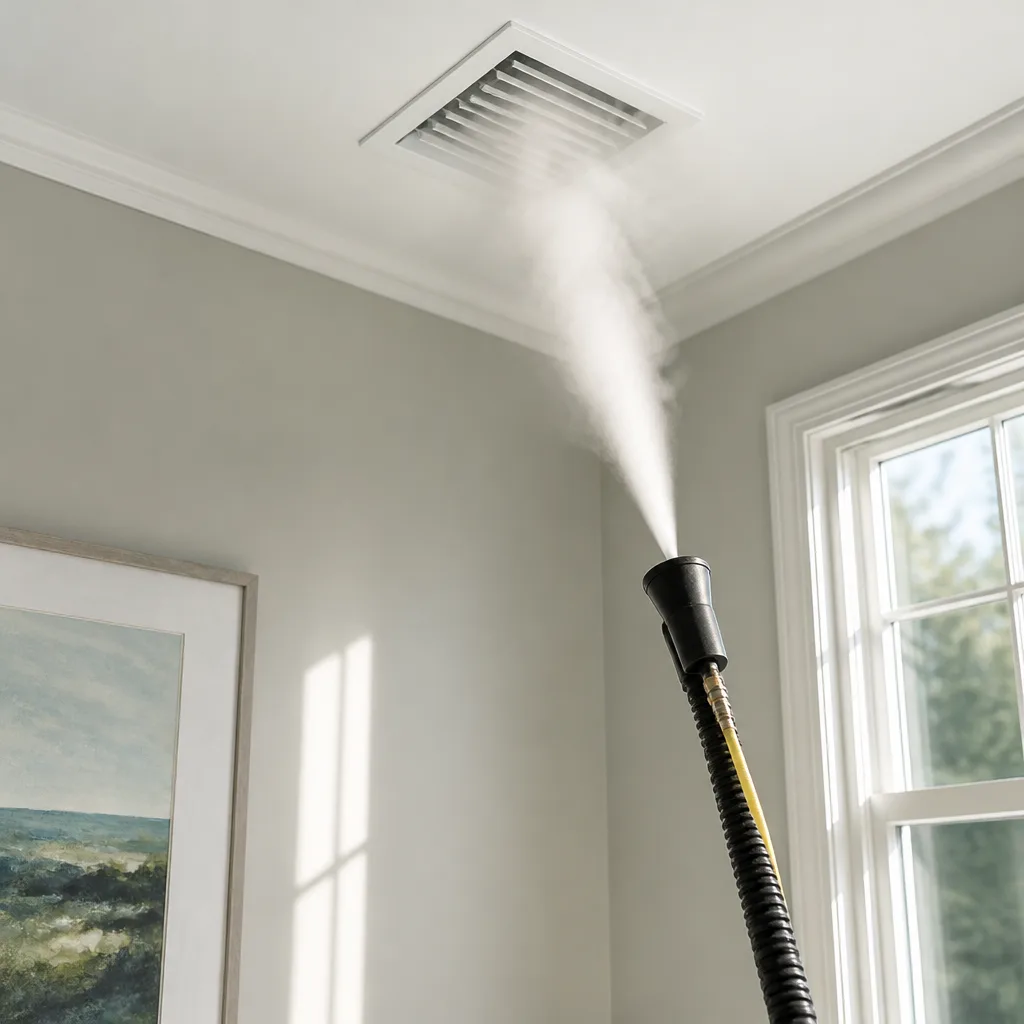 Sanitizing & deodorizing
Whole-system duct and dryer vent check with before-and-after photos - you see exactly what came out of your vents
That "$99 whole-house special" is a bait ad - the real number appears once they are in your hallway, or the "clean" is a shop-vac at the register. We photograph the inside of your ducts before and after instead.
Air Duct Cleaning Emergency Preparedness Guide for Canarsie Homes
Most people picture burst pipes or a flooded basement when they think about storm damage. The part of the house that often causes the longest-lasting problems sits overhead, out of sight, cycling air through every room. When water gets into the air pathway during a flood or a severe rain event, ductwork becomes a reservoir. Restart the system before the moisture is dealt with and every room gets a share of what settled inside the plenum. Canarsie sits in a flood-zone designation, and that changes what preparedness means here. This guide covers the first-hour protocol after water intrusion, how to judge whether ductwork can be saved, why smoke damage is a separate problem from water, and a checklist you can complete before storm season.
Quick Answer
If water has entered your home’s air pathway, shut off the HVAC system immediately at the thermostat and the breaker, photograph everything, and do not restart until the ducts are inspected, cleaned, and dried by a professional. Water contact inside ductwork is a contamination event, not a cleanup job you can handle with a shop vacuum. In Canarsie, our experience points to a clear gap between homes that were remediated properly and those that developed persistent issues after a similar flooding event.
Styles & brands we work with
- Whole-home duct cleaning
- Dryer vent cleaning
- Camera inspection
- Sanitizing & deodorizing
Table of Contents
- The First Hour After Water Intrusion: What to Do
- Can Your Ducts Be Saved? Assessing Water-Damaged Ductwork
- Fire and Smoke Damage: Why Duct Liner Doesn’t Recover
- Documenting Duct Damage for Your Insurance Adjuster
- The Canarsie Storm-Season Preparedness Checklist
- Choosing a Contractor Who Handles Emergency Response
- Preventing the Next Event: Sealing, Maintenance, and Dryer Vents
The First Hour After Water Intrusion: What to Do
The single most important action after any water intrusion event is to stop the system from moving air. A running HVAC system pulls moisture from the flooded area into the return plenum and redistributes it across the supply ducts, turning a localized problem into a whole-house one. The sooner the system is off, the smaller the recovery job becomes.
Here is the first-hour sequence we recommend to every Canarsie homeowner:
- Turn the thermostat to OFF. Not “auto,” not “fan only.” Off. In fan-only mode the blower still moves air through wet ductwork.
- Cut power to the air handler at the breaker panel. Label it now, before you need it. The air handler breaker is usually a dedicated double-pole switch.
- Photograph everything before touching anything. Water lines on walls, ceilings, and the air handler itself. Timestamped photos are what your adjuster will ask for first.
- Check the accessible duct access points. Look at the main trunk connection at the air handler, the return-air grille nearest the flooded area, and any supply registers in rooms that took on water. Visible standing water, soaked insulation, or dark staining inside the duct means moisture has entered.
- Do not restart the system, even if it looks dry. Duct liner and fiberglass board hold moisture well past the point where surfaces feel dry. A moisture meter, not a hand, tells you when it’s safe.
The Canarsie homes we’re called to after a storm event often share a pattern: the system was restarted within a day or two, before anyone checked the return plenum. The ductwork looked fine from the register side. Inside, the liner was still holding water. If you suspect your HVAC system took on water during a flooding event, HVAC cleaning is where the assessment has to start, not with the ducts alone.
One safety point deserves repeating. Floodwater in Canarsie is not clean water. It carries sediment, sewage overflow, and whatever was on the street. Anyone opening duct access panels or handling wet insulation should wear gloves and a respirator, and the system should not be restarted until a professional has verified it is dry and decontaminated.
Can Your Ducts Be Saved? Assessing Water-Damaged Ductwork
Whether ductwork can be cleaned back to service or must be replaced depends on the duct material, how long it stayed wet, and how contaminated the water was. Sheet metal duct with a light moisture exposure is often salvageable. Fiberglass duct board that absorbed floodwater rarely is.
Here’s how we think about the decision:
- Exposed sheet-metal trunk with surface moisture: Usually cleanable. The metal is non-porous, so the job is cleaning, sanitizing, and confirming dryness with a meter.
- Sheet metal with internal fiberglass liner that got wet: Liner is porous. Once saturated, it traps organic material and provides a surface for mold to colonize. Replacement of the lined section is the safer path.
- Fiberglass duct board: Absorbs water throughout its thickness. There is no reliable way to dry and decontaminate it in place. Full replacement.
- Flexible duct that was submerged: The inner liner is thin and non-recoverable once wet. Replace the affected runs.
- Any duct exposed to floodwater (Category 3 water, meaning water contaminated with sewage or ground material): Assume replacement of the wetted sections regardless of material.
New York City remediation work follows NYC DEP and EPA guidelines that classify water by contamination category, and Category 3 water requires removal of porous materials it touched. That’s not a judgment call a duct cleaning crew can make on the spot with a shop vac. A proper assessment measures moisture content, checks the plenum, and confirms what our technicians find before any recommendation is made.
In our experience, homes in the low-lying sections of Canarsie, particularly those that see repeated nuisance flooding, tend to have older flex duct and fiberglass board in place. When that equipment gets wet, the practical answer is often replacement of the affected runs rather than a cleaning attempt. A second contractor for the repair is unnecessary when the same provider handles the sealing and reconnection, but the decision itself has to be honest about which materials can be saved.
Fire and Smoke Damage: Why Duct Liner Doesn’t Recover
Smoke travels through the same pathway as air, which means a building fire moves soot and combustion byproducts into the ducts, often past the fire’s origin point. A duct system that survived a fire structurally is not the same as a duct system that can be cleaned back to service. This is the piece most homeowners and insurance adjusters miss.
What happens to ductwork after a fire:
- Soot deposits on duct surfaces, including the liners, that bond to porous materials.
- Smoke residue that carries acidic compounds able to hold odor and accelerate corrosion on metal surfaces over time.
- Fiberglass duct board and liners that absorb smoke odor to the point where cleaning, sanitizing, or any surface treatment will not remove the smell below the surface.
- Flex duct whose internal liner cannot be cleaned effectively because the soot is drawn into the corrugations.
For ductwork absorbing smoke into porous material, replacement is the compliant answer. Cleaning the surface and leaving the soaked liner in place means the smell returns within a season, and the air disturbance from normal HVAC operation reactivates the odor every time. Our technicians use Abatement Technologies air-quality equipment on damage-assessment and post-remediation work, and the sanitizing step on a fire job involves contaminant control rather than a surface spray.
This matters for your insurance claim, which is covered in the next section, because the adjuster needs to see a written damage assessment, not just a receipt for cleaning. If you need restoration work that goes beyond cleaning, that assessment should distinguish what was damaged by smoke and heat from what was damaged by water during suppression.
Documenting Duct Damage for Your Insurance Adjuster
Insurance claims on duct damage go smoother when the documentation describes what was physically affected and why it can’t be cleaned. Vague receipts for “duct cleaning” tend to get denied or reduced, while a report that names the affected components, contamination type, and remediation method tends to get paid.
Here’s what we recommend including in the paperwork:
- Before photos of every affected access point, taken before any cleaning or removal. Open the panels, show the interior, capture standing water or visible soot.
- Thermostat and breaker proof of shutoff, with timestamp. This shows you mitigated promptly, which supports your claim rather than undermining it.
- A moisture reading report from a calibrated meter, on the affected duct sections and the air handler.
- The contamination category as identified under NYC DEP and EPA guidelines: clean water, grey water, or Category 3 floodwater.
- A written recommendation that separates cleanable material from non-cleanable material, with a reason for each.
- Post-remediation photos of the cleaned or replaced sections, before and after, once the work is complete.
Keep the photos and the moisture report even after the claim closes. If the same storm system prompts a second event later, having your duct condition documented makes the second claim much easier to process, because the adjuster can see that the equipment was sound before the second event.
For a fire claim, the report should specifically note where soot was found in the duct pathway and which components need removal as opposed to cleaning. That distinction is what separates a paid replacement line item from a denied one. If your adjuster is also considering a full air pathway inspection, having the report from a single provider covering ducts, air handler, and dryer vent keeps the scope consistent.
The Canarsie Storm-Season Preparedness Checklist
The worst time to figure out where your HVAC shutoff is happens to be during a storm. The best time is a clear, dry afternoon. This checklist is meant to be completed before storm season arrives so that the first hour after an event costs you less.
Do this now, before the next storm:
- Locate and label the HVAC breaker. Open the panel, find the double-pole switch that feeds the air handler and the compressor, and put a label on it. Show everyone in the house.
- Photograph and label every duct access panel. Note the location of the return air grille closest to any low-lying area, the air handler closet, and any attic or crawlspace access points.
- Store a small kit for the first hour: a flashlight, work gloves, a respirator, and a notebook for notes. Nothing fancy, just what you need to shut things off and record what you saw.
- Write down your utility shutoffs (gas, electric, water main) and tape them inside a cabinet door. Also note the location of your sump pump if you have one, and test that it runs.
- Keep a contractor contact on file. In Canarsie, after a storm surge event, the well-equipped providers get scheduled quickly. Having a contact already on file removes a step from the recovery.
- Walk your duct system once a year. Look for disconnected joints, sagging flex runs, and visible condensation. Any of those will be worse after a storm, and fixing them in dry weather is easier than fixing them afterward.
- Check your dryer vent. A blocked or crushed dryer vent is a fire risk on its own, and a storm event can make it worse if outdoor vent caps are damaged. Dryer vent cleaning belongs on the annual list, not just the emergency list.
Canarsie’s flood-zone designation means the risk of water intrusion isn’t a hypothetical for homes near the water or in lower elevation areas. Storm surge events in the past have put the thought of HVAC recovery in front of every homeowner who took on water. The checklist above turns that concern into a specific set of things you’ve already done.
Choosing a Contractor Who Handles Emergency Response
Not every company advertising emergency duct response actually performs it. Many outsource the emergency portion to a subcontractor and pick up the cleaning work later, which means someone showing up a day later with equipment sized for a routine job. When you’re deciding who to call after a water intrusion, ask how the emergency call is handled.
A legitimate 24-hour duct response should include:
- Immediate phone answer. Someone who can walk you through the shutoff and ask what conditions they’re walking into.
- Assessment on the first visit. The provider should measure moisture, inspect the plenum and returns, and give you a written assessment before recommending cleaning or replacement.
- Professional extraction equipment brought to the job. Rotobrush and Nikro extraction and brushing platforms are purpose-built for duct interiors. A shop vacuum cannot reach into the duct system or agitate the surfaces, so if that’s the equipment you see, the job is being done wrong.
- Sanitizing capability beyond a spray. Abatement Technologies air-quality equipment and commercial-grade sanitizing are what separates a real remediated job from a cosmetic one.
- Repair and sealing capability. After damage, reconnecting a duct run and sealing the joints are part of the same job, not a second call. Our air duct cleaning service covers this because doing it any other way means sourcing a second contractor for the repair.
- Written documentation for insurance as outlined earlier, provided as part of the work rather than on request.
The other thing to notice is whether the provider is comfortable with premium HVAC and filtration equipment. Homes with Honeywell or Aprilaire systems have specific duct configurations and filter housings, and a crew that hasn’t worked with those systems may not know how to open them without disturbing them. Our technicians have up to 8 years of experience working with both, and the service is set up to clean and sanitize the system without affecting those components.
We answer 24/7. A call outside dispatch hours is booked into the next opening, Sunday through Friday, 7am to 7pm. The price for a duct emergency is set per job by a written estimate, and the estimate is free.
Preventing the Next Event: Sealing, Maintenance, and Dryer Vents
The best duct emergency is one that doesn’t happen. That’s not a slogan, it’s a mechanical point: the duct systems in Canarsie that fare best after water intrusion are the ones with sealed joints, no disconnected runs, and an air pathway that was inspected in dry weather. Loose joints are where water gets into a duct system even when the visible area looks untouched.
What to prioritize between events:
- Duct sealing. Sealed joints keep water out and air in. A sealed system responds better to remediation because the moisture has fewer paths into the interior.
- Annual inspection. Check for disconnected joints, crushed flex, and standing condensation. Any of the three is worth fixing before storm season.
- Dryer vent maintenance. A crushed or blocked dryer vent is a fire risk, and it’s one of the few duct-related hazards that can be prevented entirely with routine cleaning.
- Filter and air-cleaner service on Honeywell and Aprilaire systems. Those components work better when they’re serviced on schedule, and keeping them current reduces the chance the air pathway takes on contamination during a mild water event.
- Sanitizing after a minor event. If you caught water early and the ducts stayed dry but the plenum took on a smell, a sanitizing treatment may be enough. Our technicians use Guardsman-grade protective treatment as part of the sanitizing scope to help keep surfaces resistant between cleanings.
We see the most improvement in indoor air quality when the whole air pathway gets attention in one service rather than piecemeal. That’s why we treat duct cleaning, HVAC cleaning, sealing, and sanitizing as one scope. The homeowner gets one assessment, one estimate, and one point of contact for a job that is otherwise easily fragmented.
Common Mistakes to Avoid
- Restarting the HVAC before the ducts are dry. The most common mistake we see in Canarsie after water intrusion. Surfaces feel dry long before the liner is, and restarting in that window recirculates microbially active material across the whole house.
- Assuming the shop vac fixed it. Consumer vacuums don’t agitate duct surfaces, don’t reach the trunk interior, and can’t dry a saturated liner. Use professional extraction equipment on the material, not a household tool on the register.
- Letting the cleaning crew decide the replacement question. Cleaning and replacement are different trades. If the provider only does cleaning, every damaged duct looks cleanable. Get an honest assessment that names which materials can be saved and which can’t.
- Skipping the dryer vent on the emergency list. Storm damage to an outdoor dryer vent cap can crush the flap and let water and pests into the run. Dryer vent issues are a separate fire risk even without a storm, and the emergency checklist should include an inspection of the outdoor vent.
- Filing an insurance claim without before photos. Adjusters treat claims with documentation differently than claims without. Photograph literally everything before anyone touches a panel.
- Choosing a provider based on the phone quote. Duct emergencies involve unknowns, and a provider who quotes a firm number before seeing the system is guessing. A written estimate after assessment is the honest structure.
- Forgetting the plenum in the documentation. The return plenum is where most household flood contamination in Canarsie actually sits, because it’s the lowest and most exposed point in the air pathway. Insurance reports that skip the plenum miss the actual contamination site.
See the difference
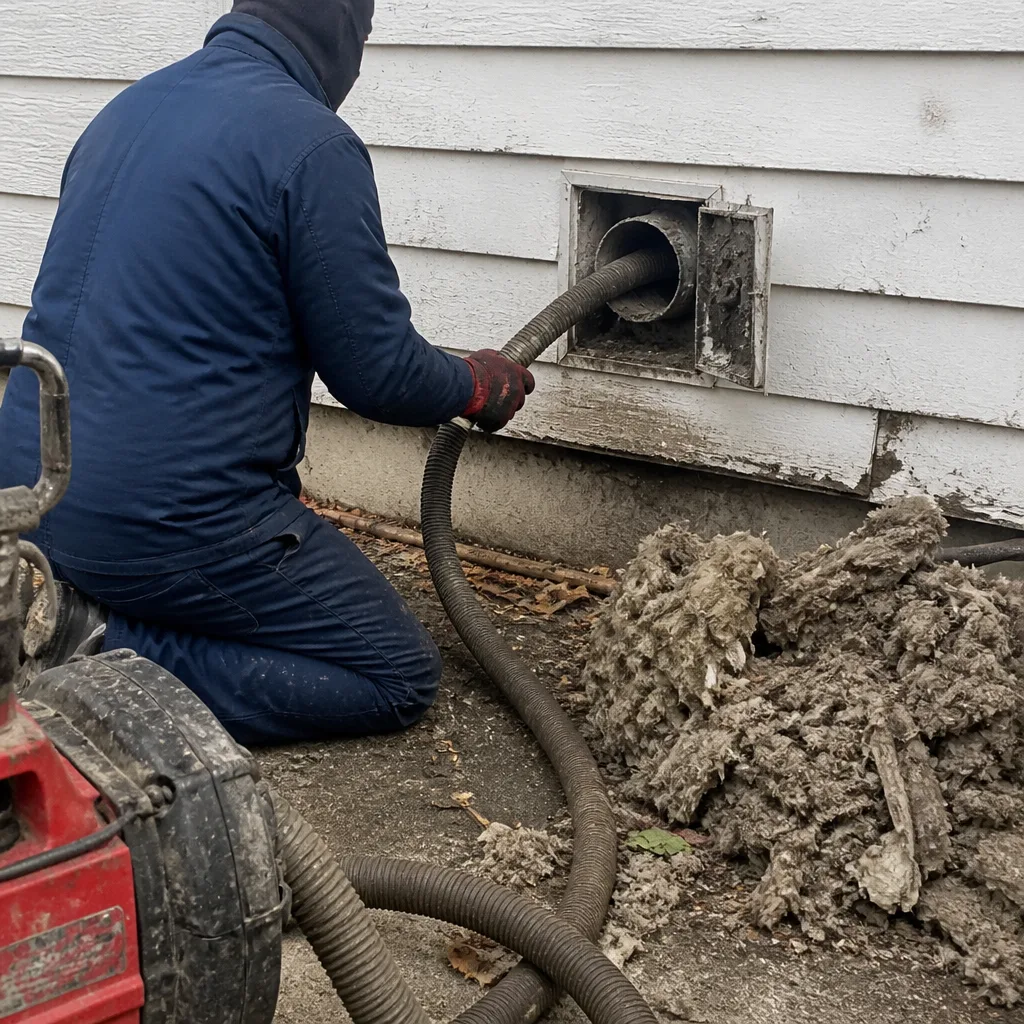 Before
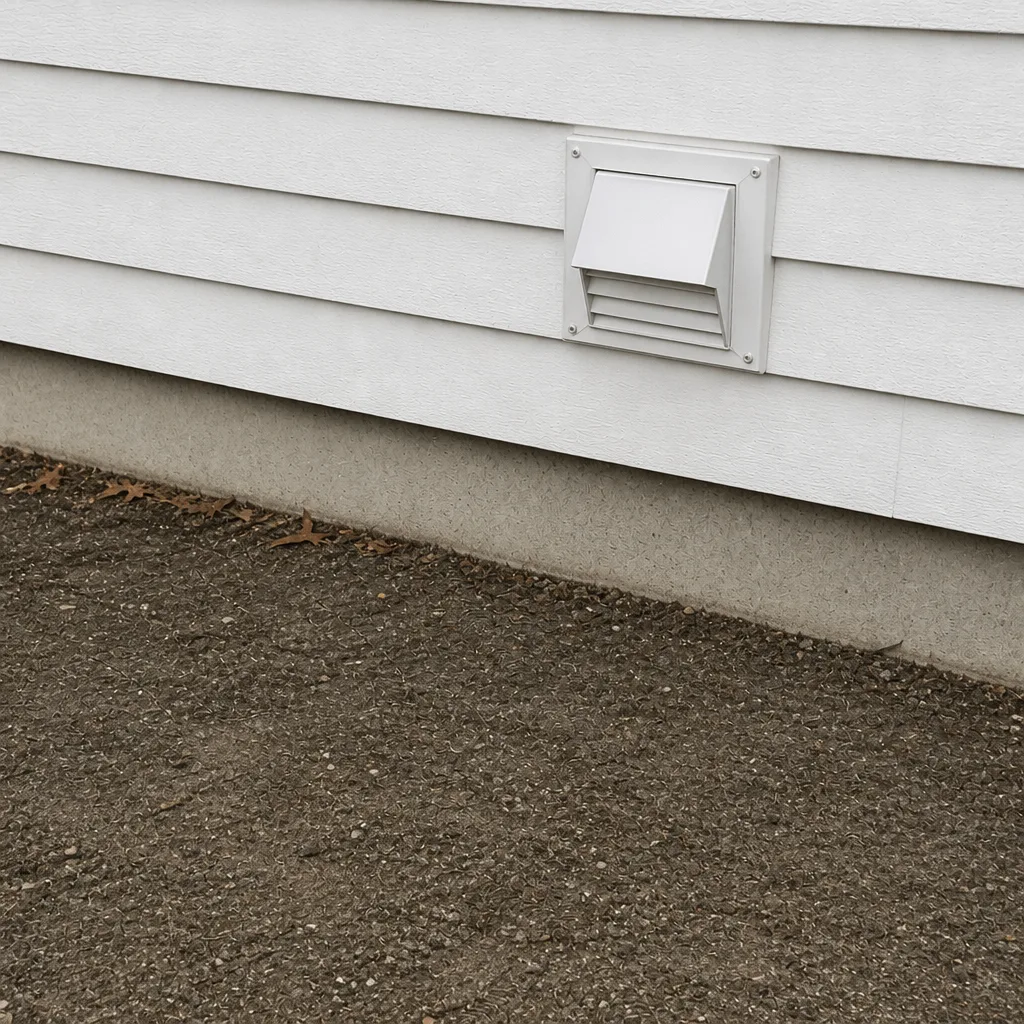 After
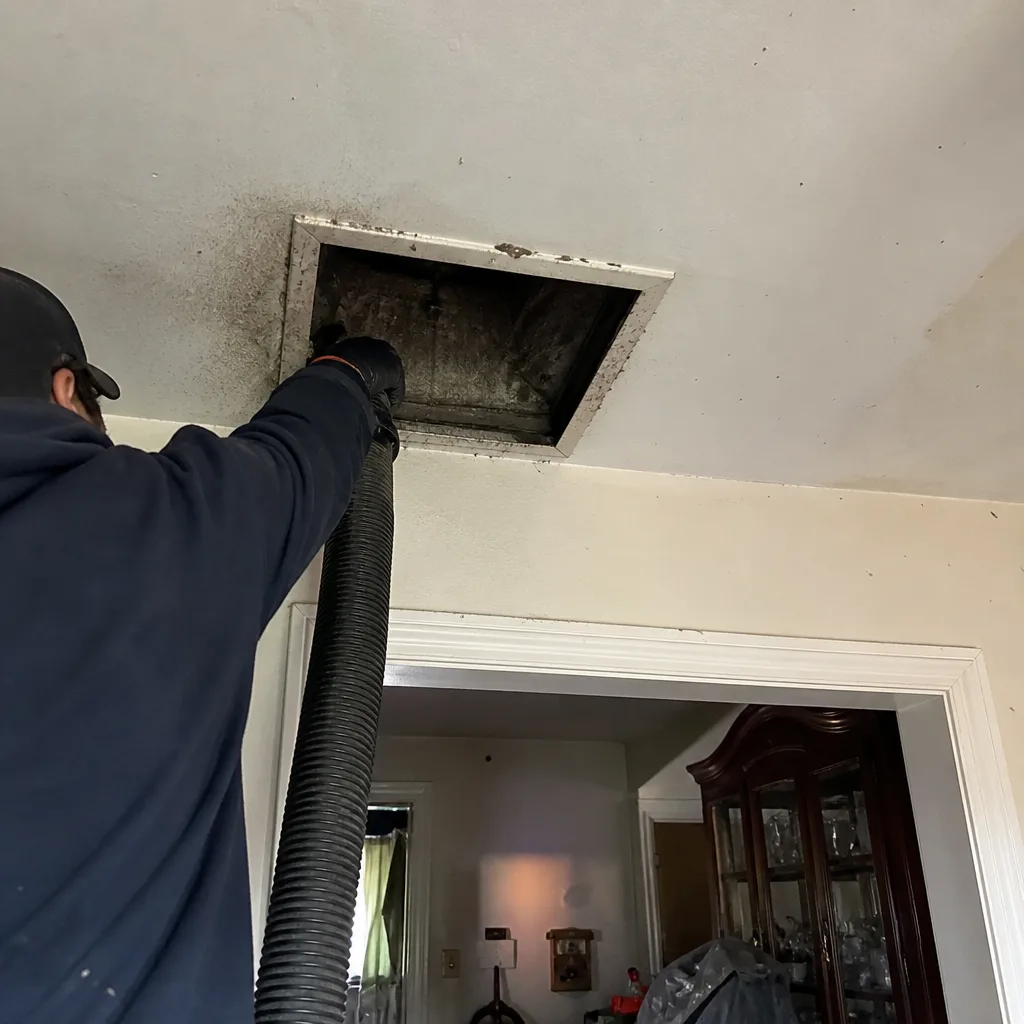 Before
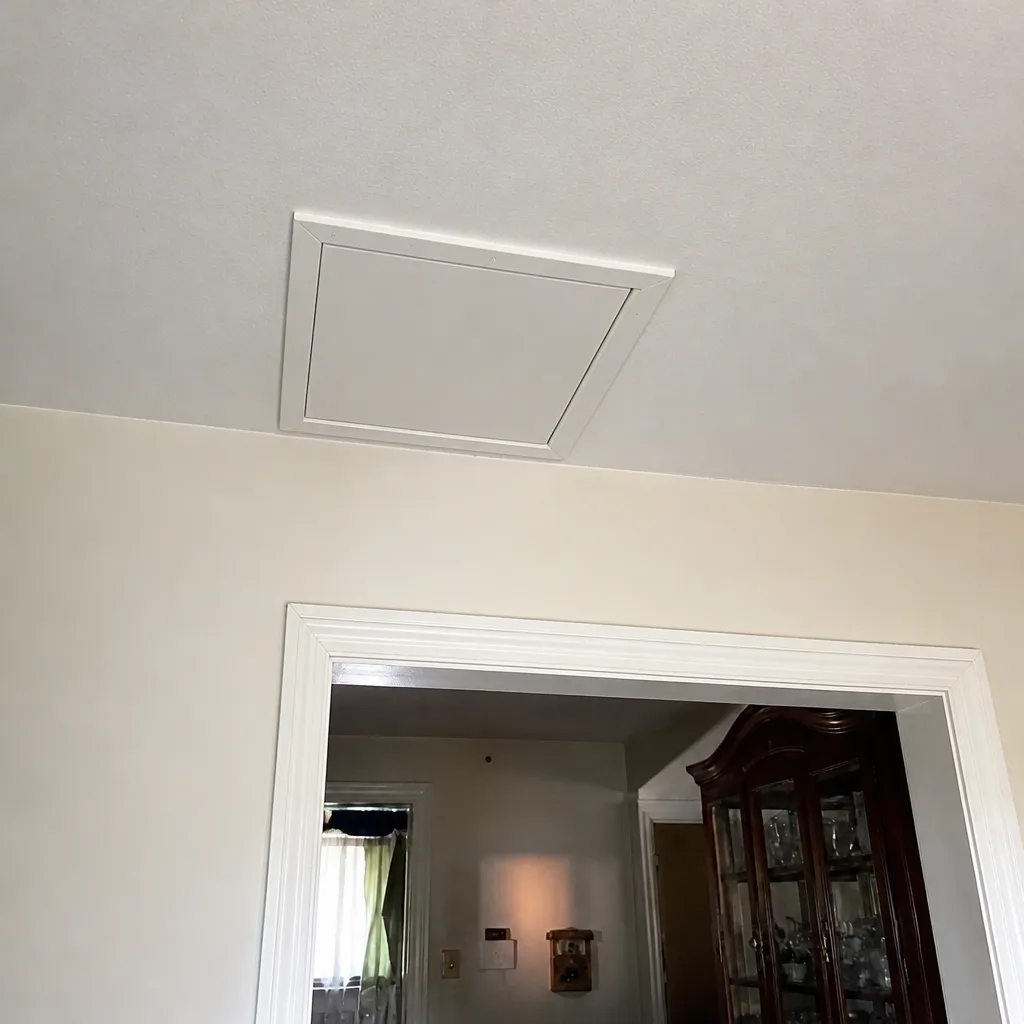 After
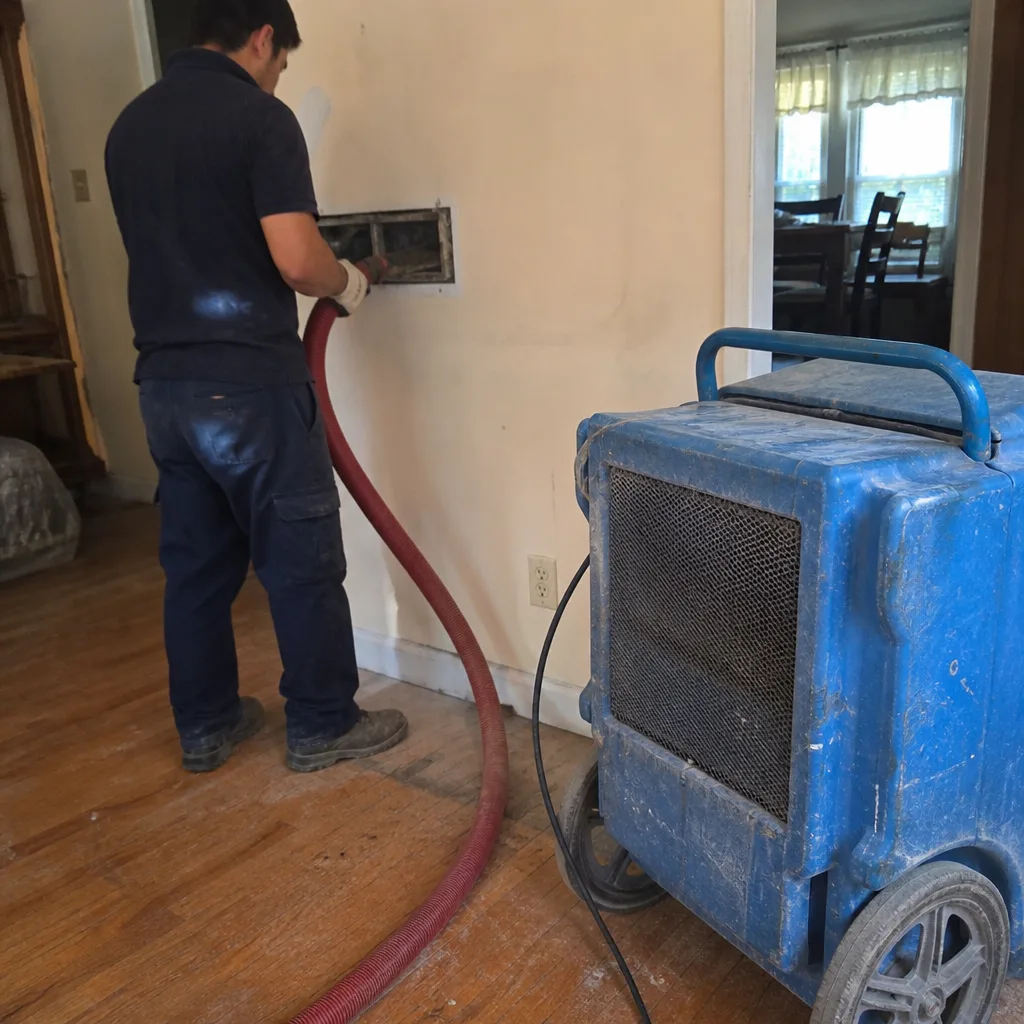 Before
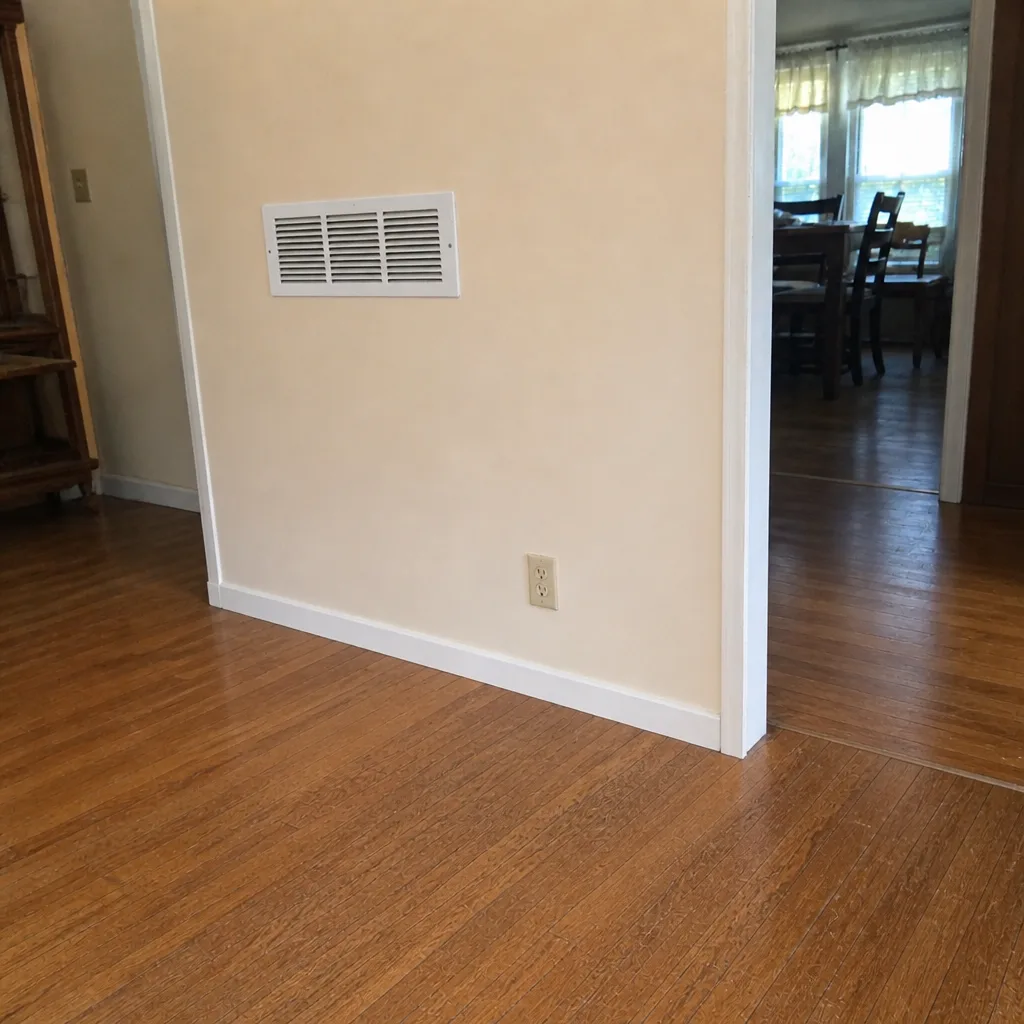 After
When to Call a Professional
Call a professional if water reached any part of the air pathway, if the system ran while the house had water in it, if you can smell musty odor after a storm event, or if you had a fire and the ductwork was anywhere in the smoke path. Call if you’re not certain, because uncertainty about duct moisture is not something to resolve with a hand check. Air Duct Cleaning Canarsie offers free estimates in Canarsie – call (888) 774-8092. We answer 24/7. Fast dispatch from 7am to 7pm, Sunday through Friday. Our technicians have up to 8 years of experience and use equipment built for the work – Rotobrush, Nikro, and Abatement Technologies – with one flat price per system agreed before work starts.
Frequently Asked Questions
No. Duct surfaces can look and feel dry well before the liner and duct board are, and moisture that remains inside porous material is the exact condition mold needs. Keep the system off, photograph everything, and have a technician measure moisture content with a meter before restarting. Call (888) 774-8092 for an assessment – estimates are free.
Ductwork that came into contact with Category 3 floodwater, meaning water contaminated by sewage or ground material, requires removal of the affected sections under NYC DEP and EPA remediation guidelines. Sheet metal with surface moisture may be cleanable. Fiberglass duct board and flex duct that were submerged are replaced, not cleaned. A technician assesses the material and gives you the answer in writing.
You should see before-and-after photos of your own ducts, taken at each access point, with a written report of what was found. Ask any provider whether they photograph the interior before and after. If the answer is vague, that’s the answer.
Cheap quotes usually reflect repurposed equipment, no interior photography, and no real assessment – essentially a surface pass without professional extraction. That’s not the same job. Pricing per job from a written estimate after an on-site assessment is what protects you from a low teaser number that grows once the technician sees what’s actually in the system. Call (888) 774-8092 for a free estimate.
Ductwork that survived a fire without structural damage may still need replacement if soot and smoke odor penetrated porous liner or duct board. Cleaning surface soot doesn’t remove odor held inside the material. The compliant answer on fire-damaged porous duct is removal and replacement, documented for the insurance claim.
Most homes do well on a schedule tied to their conditions rather than a fixed year count. Homes in repeated-flood areas, homes with pets, and homes with Honeywell or Aprilaire filtration should get inspected more often. If you’ve had a water event, an inspection is due immediately regardless of the last cleaning. Call (888) 774-8092 to book one – the estimate is free.
The Bottom Line
Water intrusion in Canarsie carries a specific risk that most homeowners don’t plan for: the HVAC system circulating flood contamination through every room. The first hour is the most important, and it’s the one part you can prepare. Shut off the system, photograph everything, and get an assessment with a moisture meter before restart. Duct material determines whether the system is cleanable or needs replacement, and fire damage is a separate case that usually means removal. The whole air pathway, including your dryer vent, is one system and should be handled by one provider. Air Duct Cleaning Canarsie offers free estimates – call (888) 774-8092. We answer 24/7. Fast dispatch from 7am to 7pm, Sunday through Friday.
Written by the team at Air Duct Cleaning Canarsie.